Our custom spools support various range variants. Physical parameters and signal attenuation constraints are mapped below:
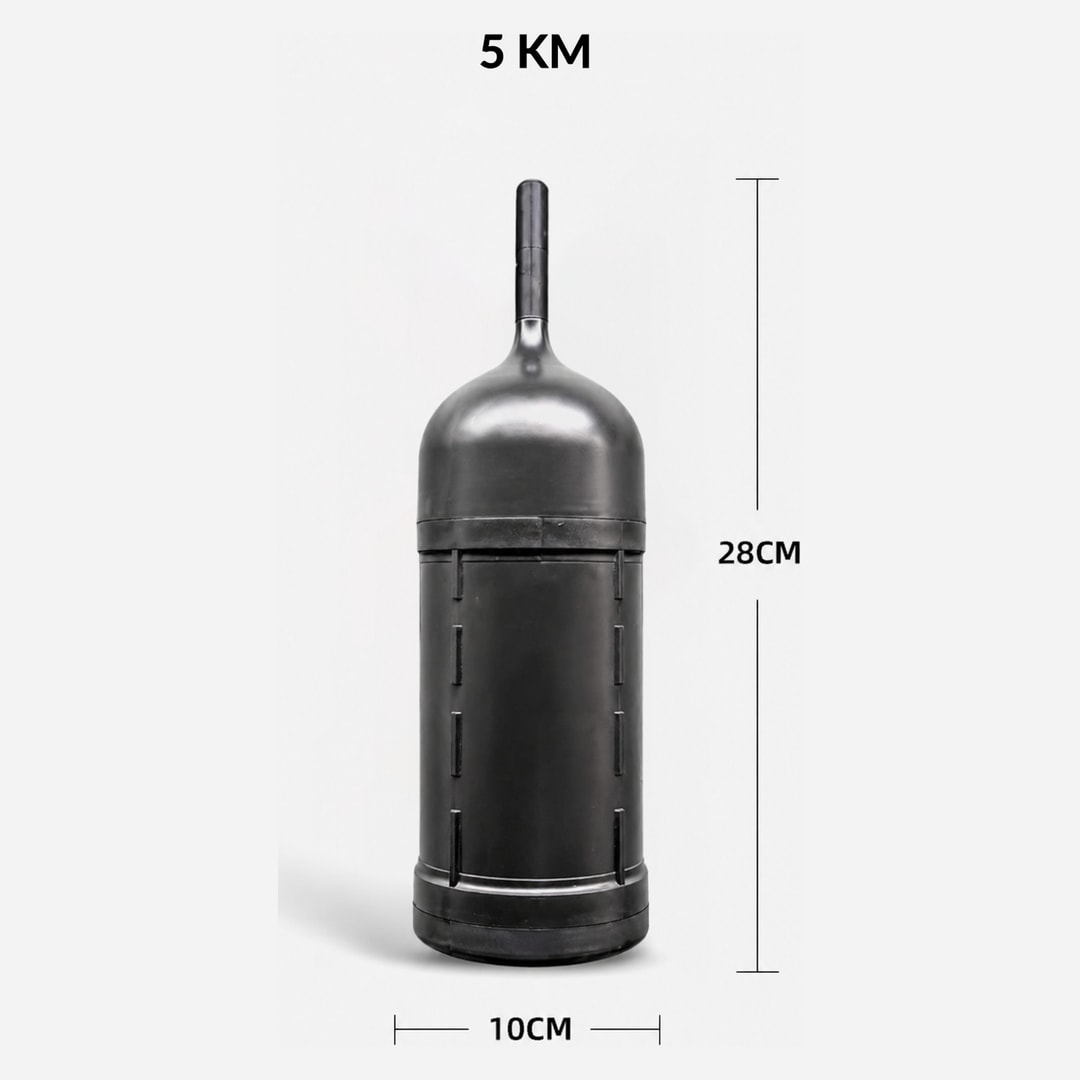
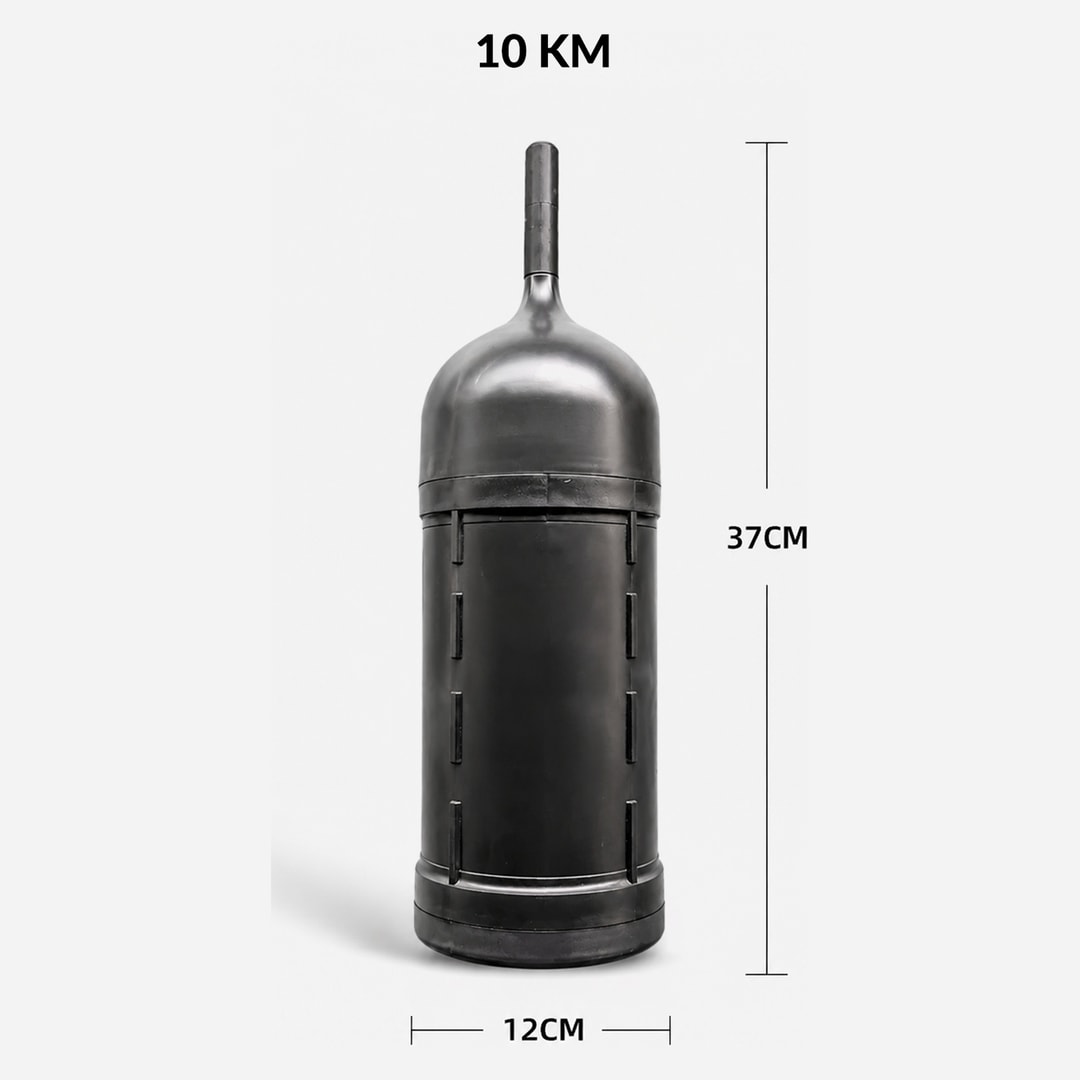
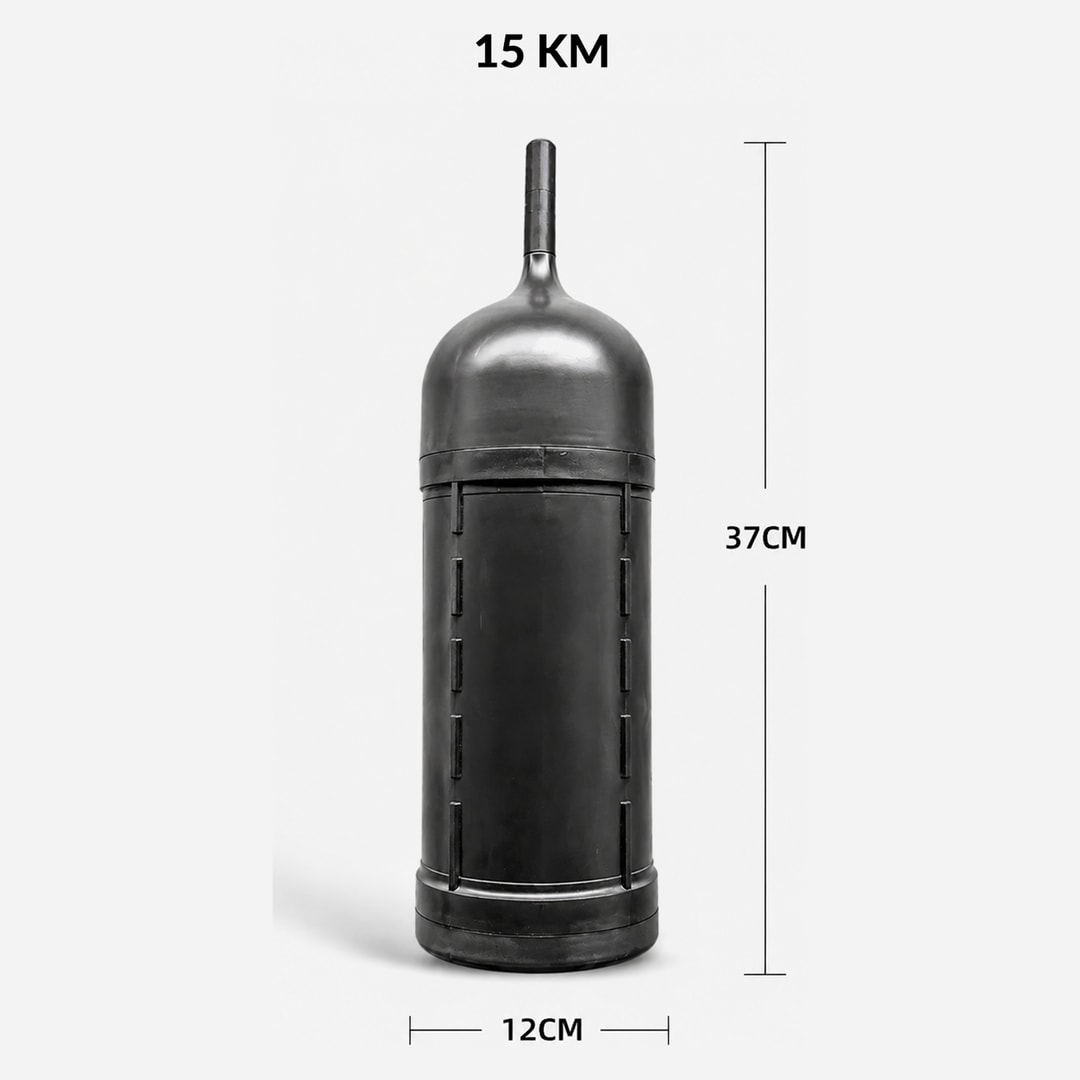
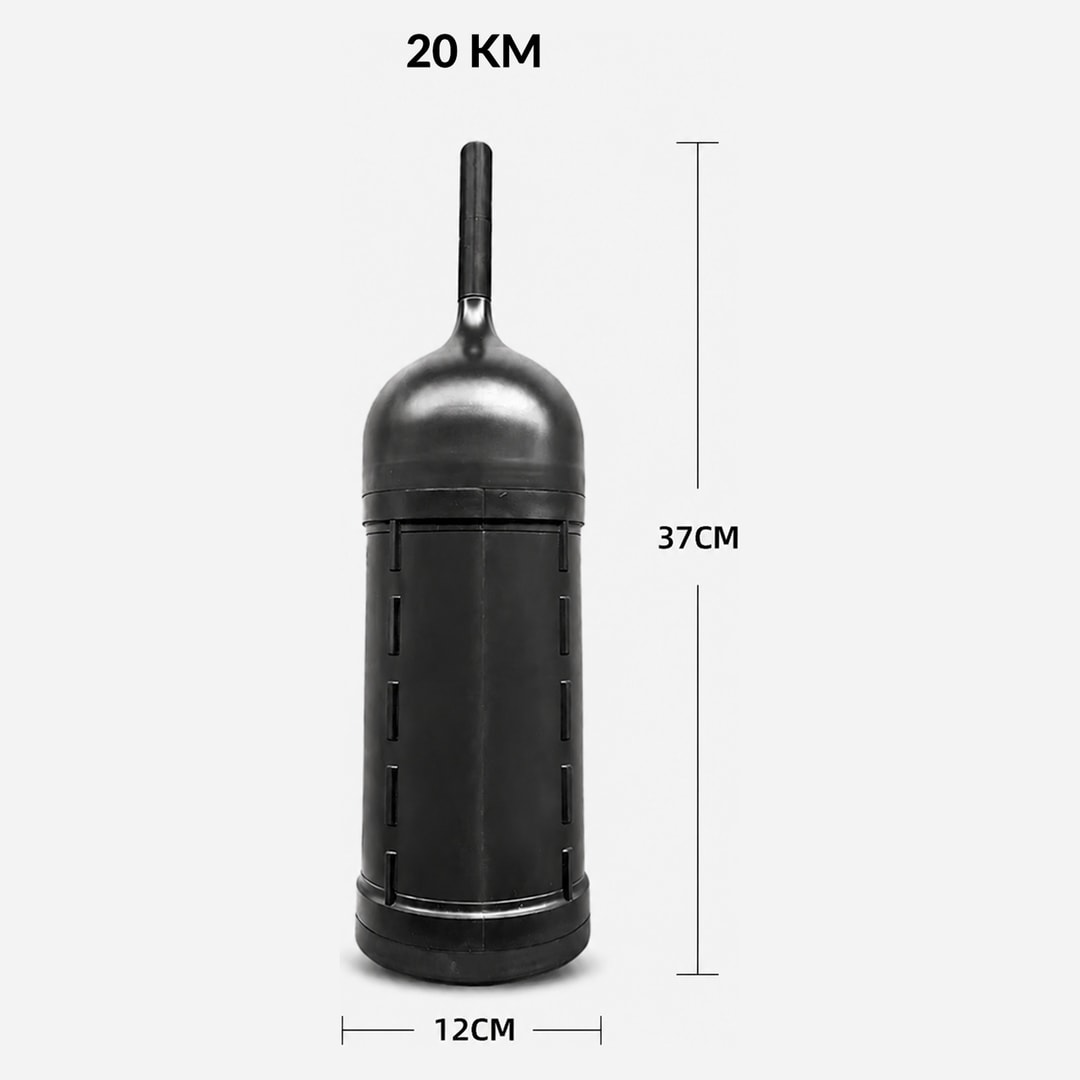
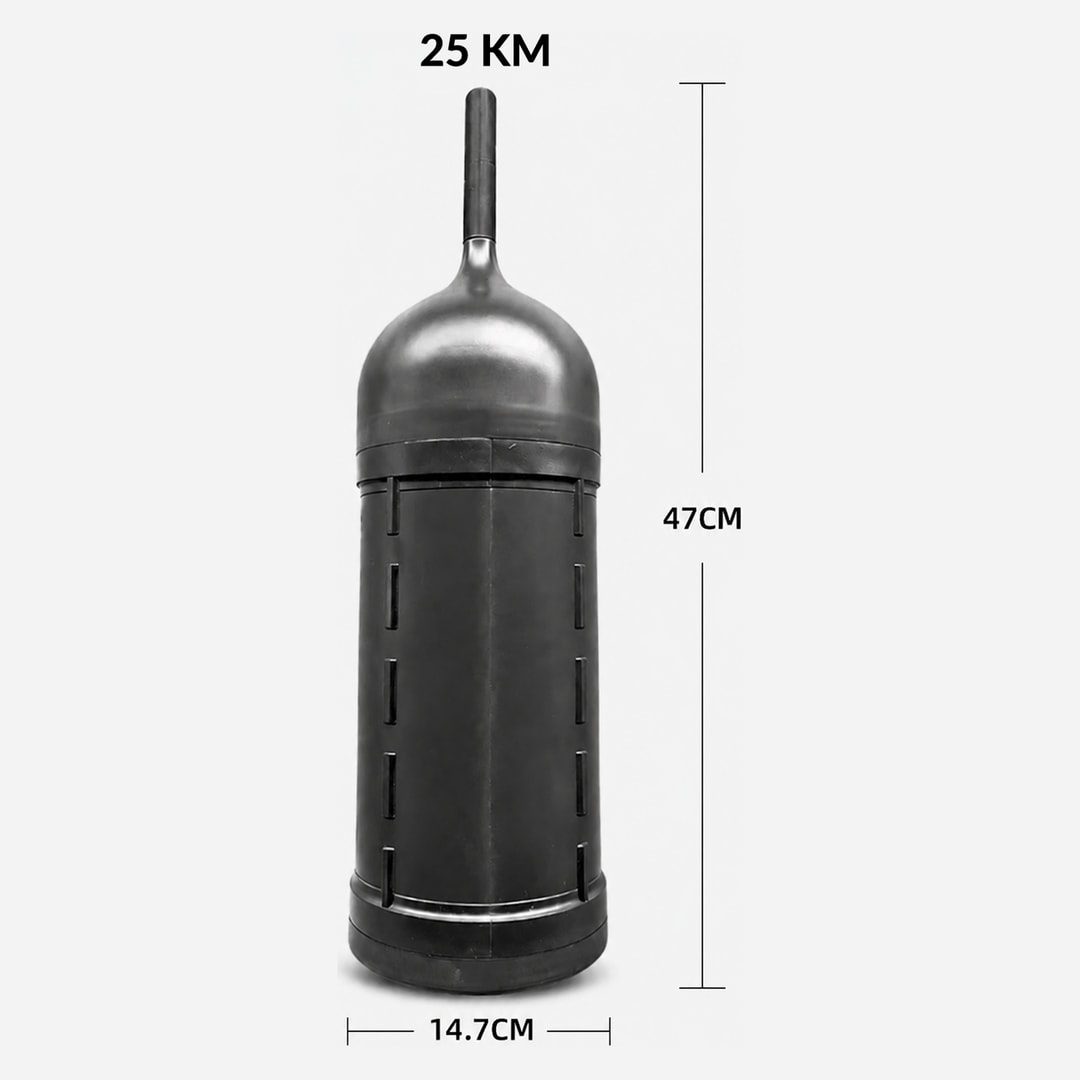
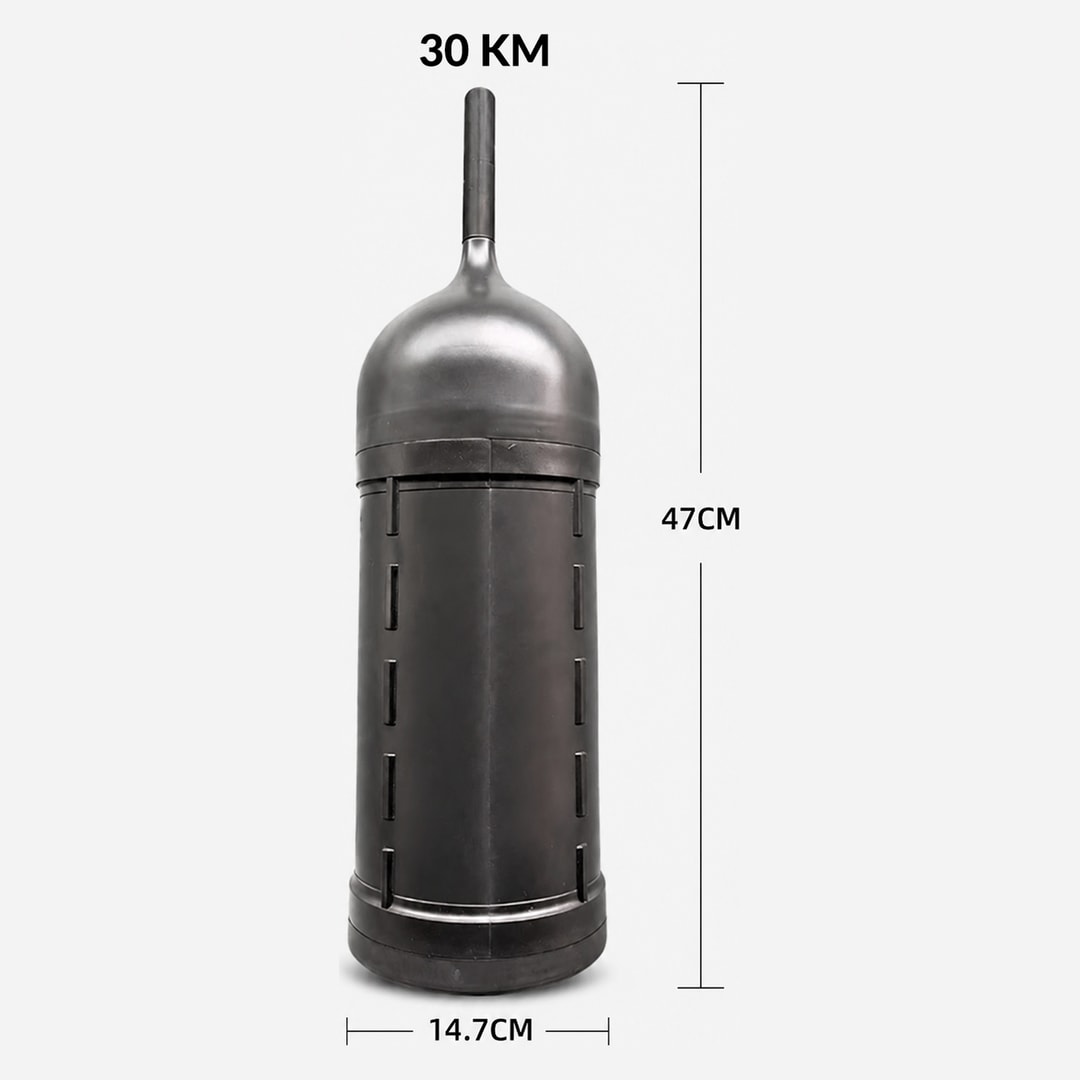
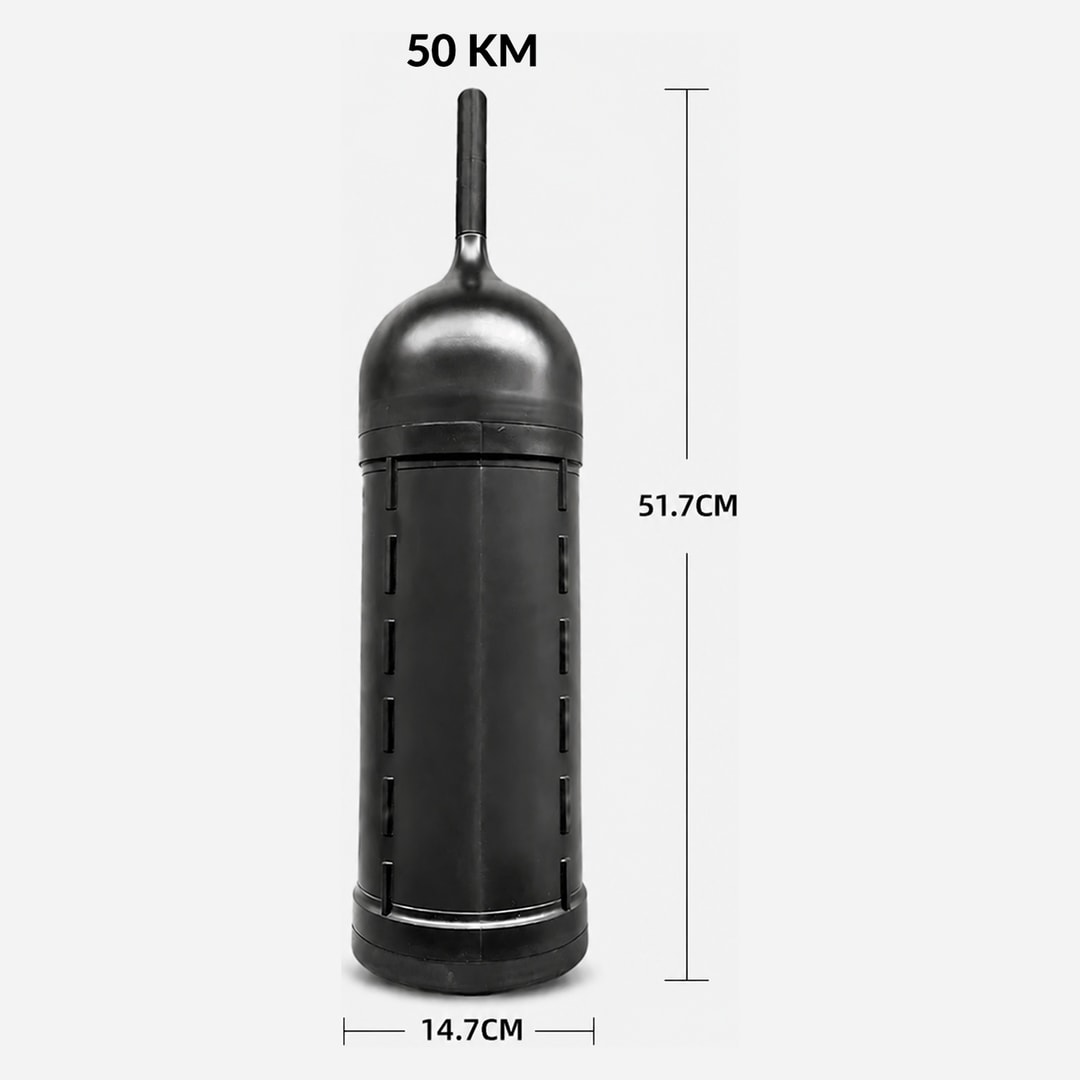
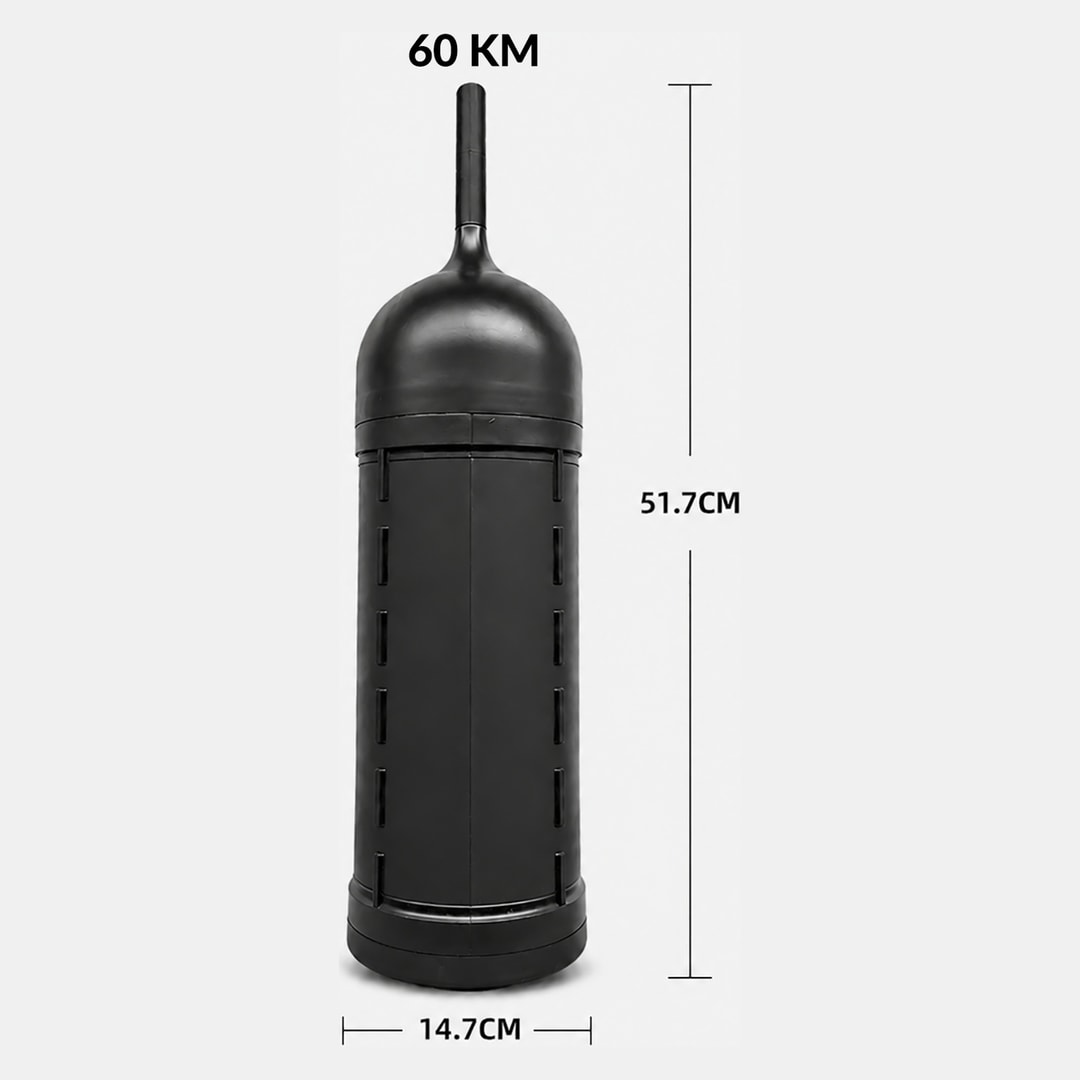
The DroneWNG · AntiJam-Spool is a specialized, long-range dispensing payload designed for operation in high-EW (Electronic Warfare) environments. In heavily jammed sectors with GPS spoofing and full-frequency RF blocking, conventional radio control links and video feeds easily fail.
By establishing a physical, micro-diameter, single-mode fiber connection between the airborne FPV drone and the ground command terminal, control signals and telemetry are isolated. The signal flows through a closed optical pathway, immune to active blocking, radio interference, and weather-induced attenuation, securing ultra-low-latency 4K feed streams through complex subterranean structures or urban blind spots.
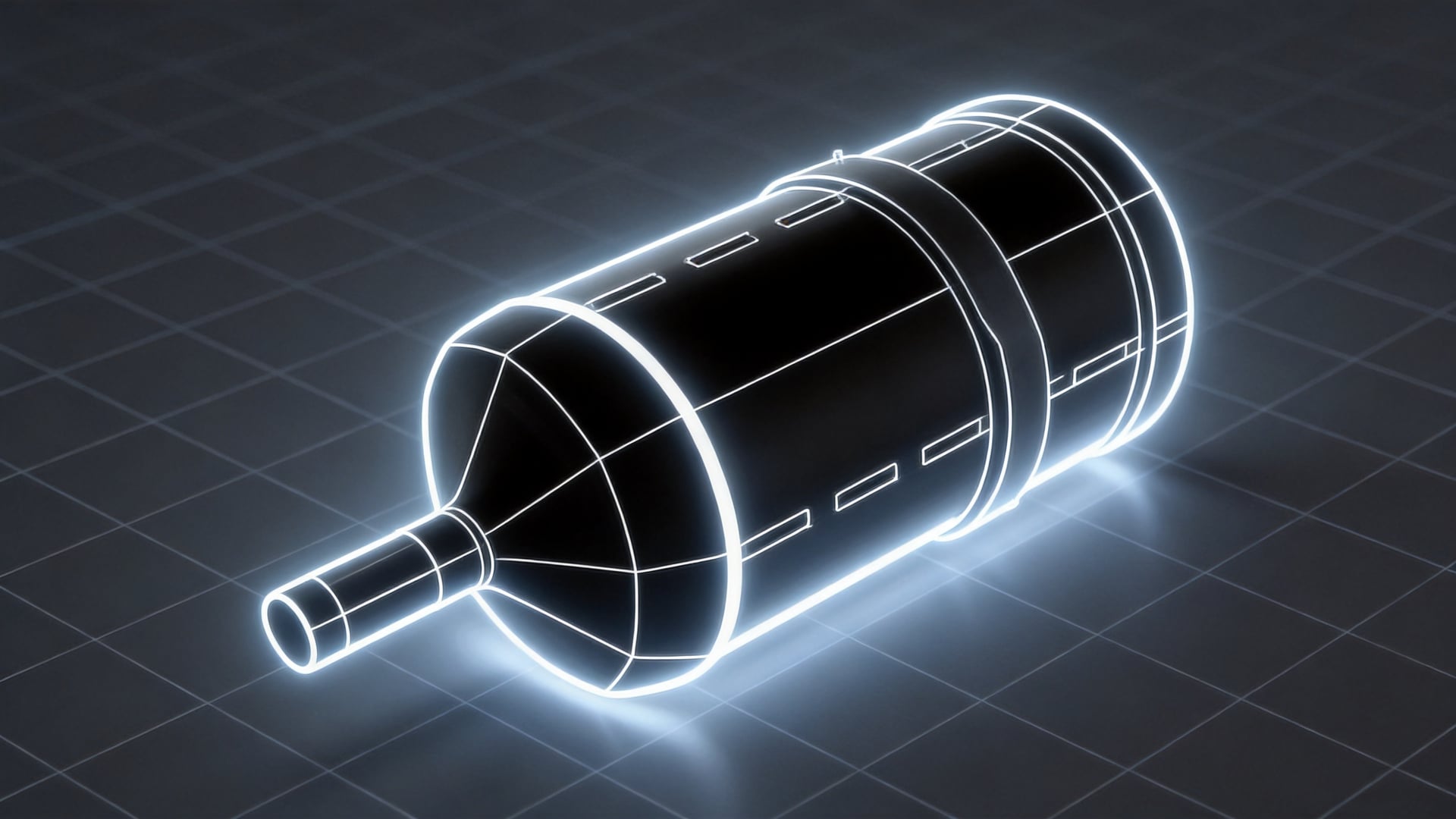
The ultra-compact, high-density spooling layout combined with a high-strength polymer shell maintains signal attenuation below strict limits under severe thermal variations and sharp bankings.
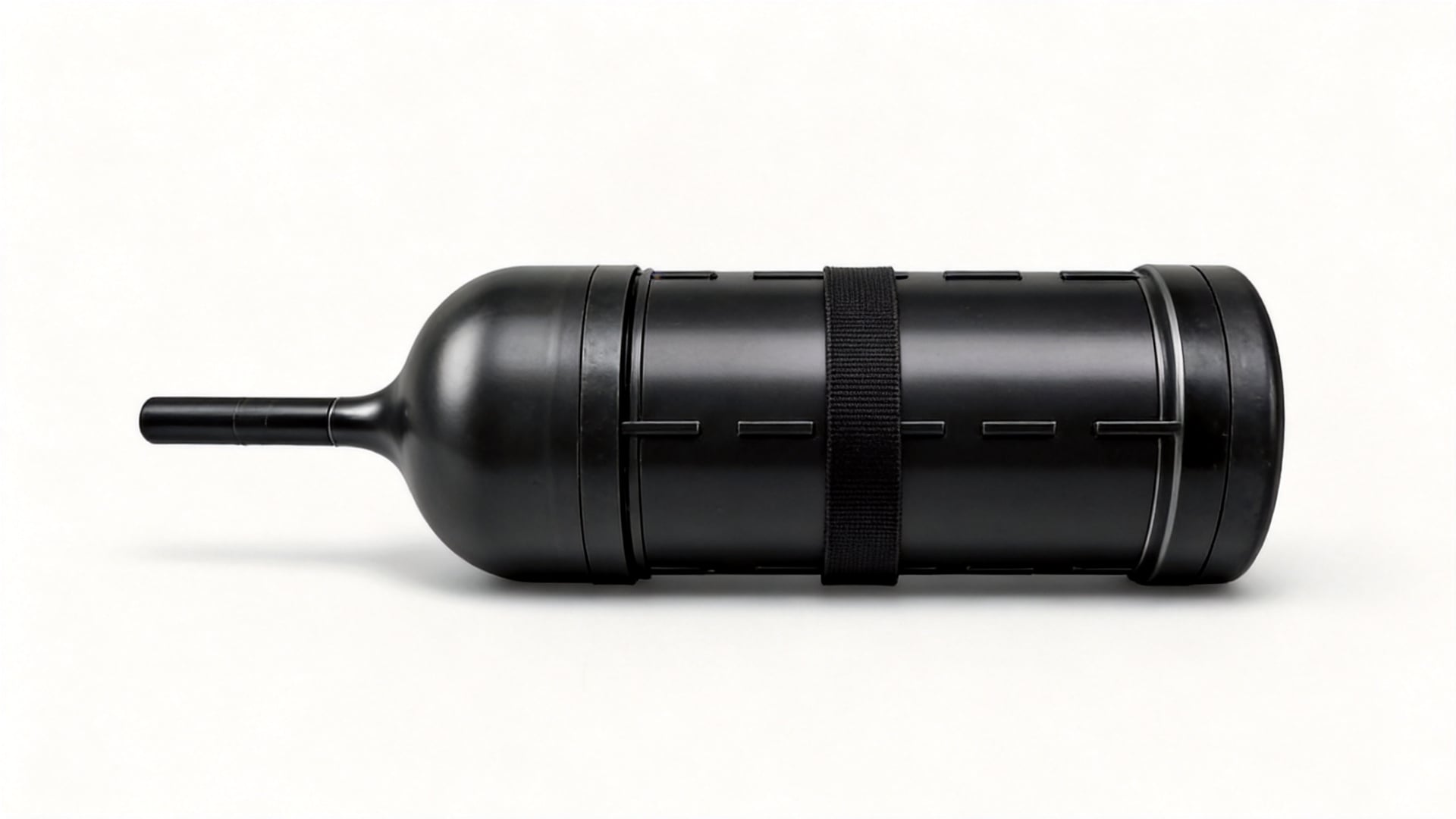
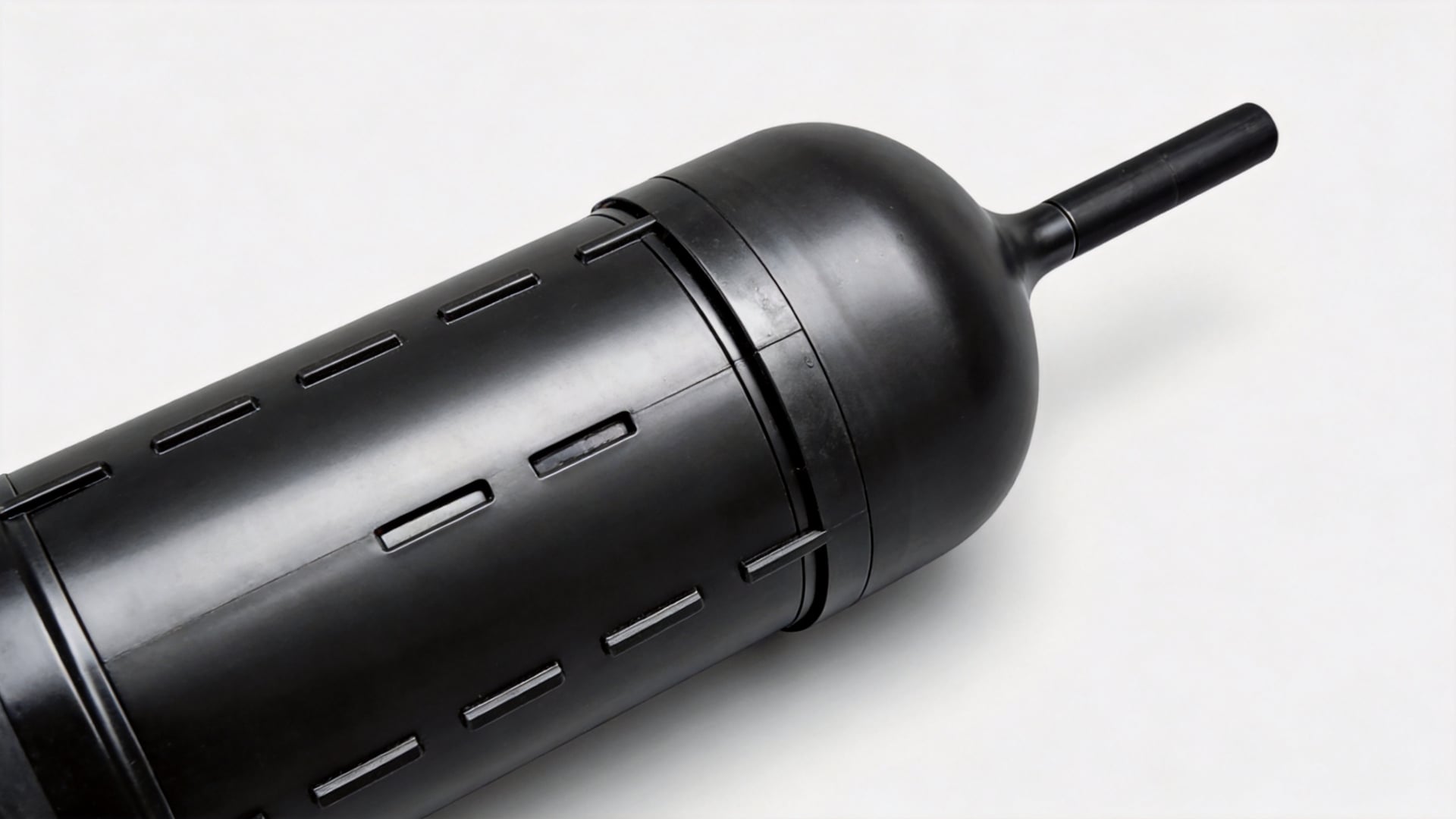
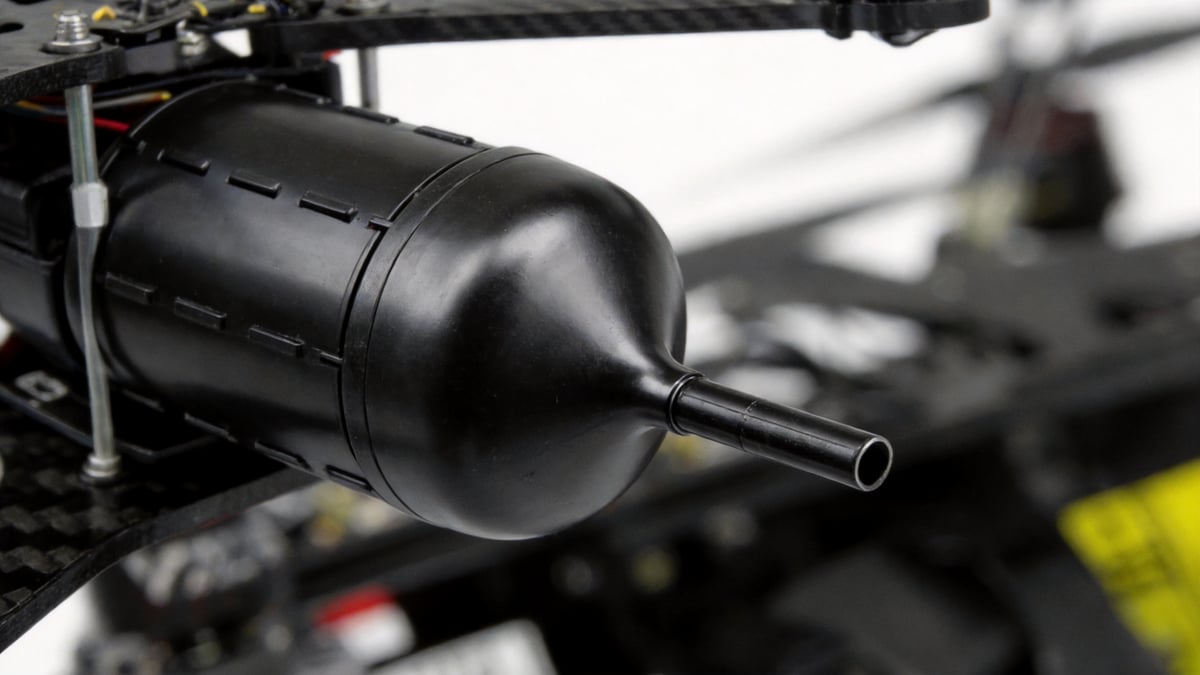
The low-profile casing and the rear-facing flexible tail nozzle protect the micro-diameter glass fiber from the high-velocity propeller airwash swirl.
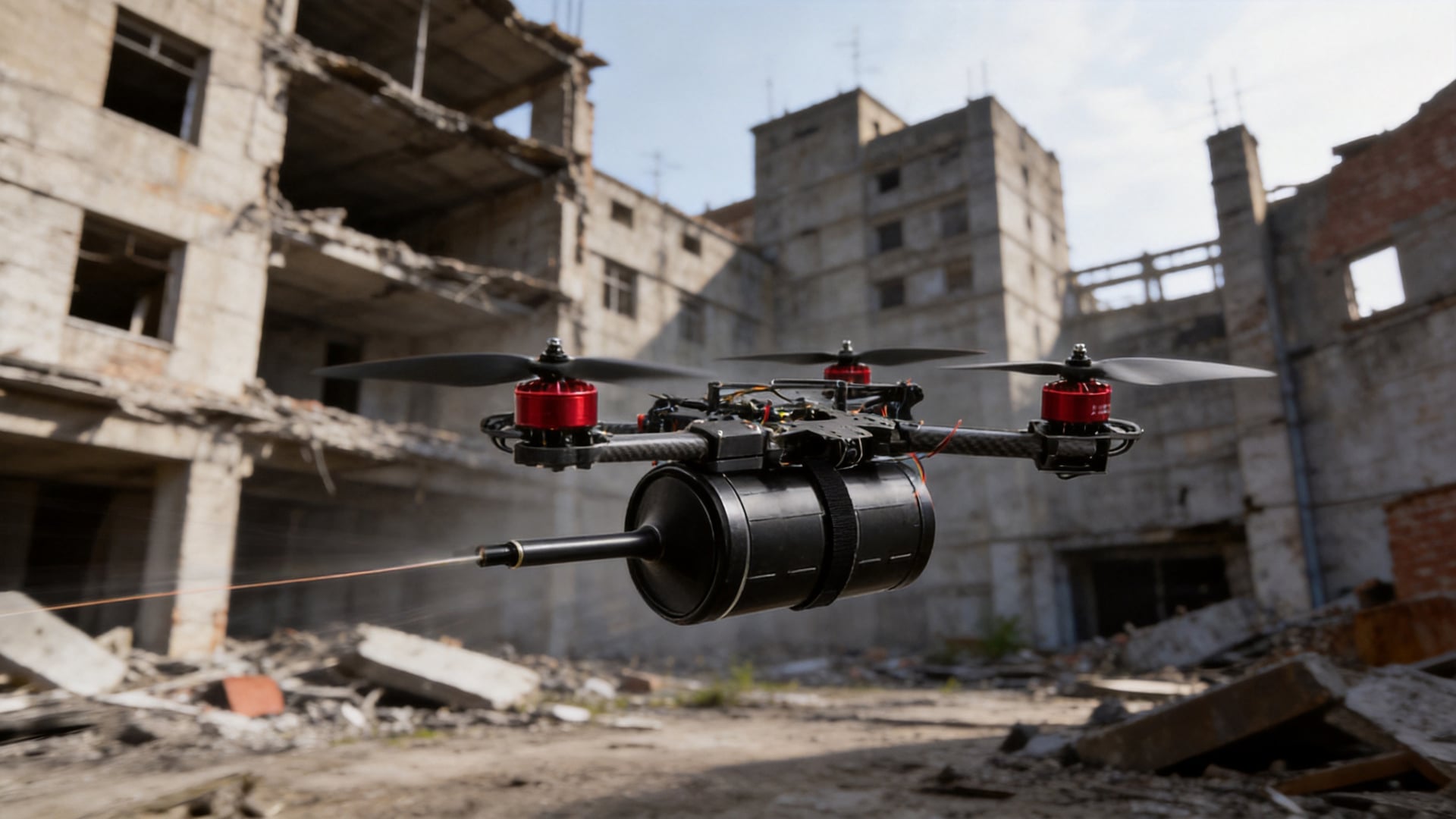
The spool incorporates a low-profile streamlined polymer housing, complete with a dedicated center locking channel. It flush-mounts directly underneath the main carbon fiber deck plates of FPV drones. Secured by high-tension hook-and-loop straps, it resists severe flight vibrations.
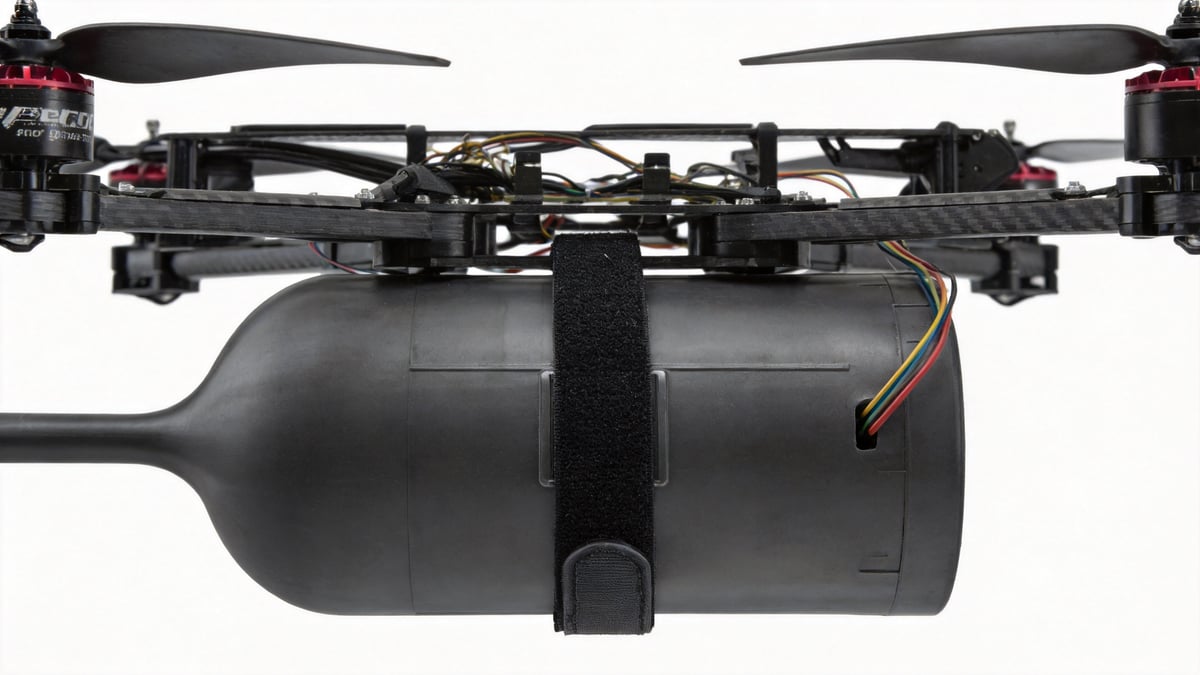
During high-speed flights, the elongated guide nozzle points directly backward. This trailing orientation ensures the single-mode fiber follows the slipstream cleanly out the rear of the drone, keeping the micro-diameter cable far away from the vortex and suction zones of the four high-speed spinning props.
To maintain stable payouts during high-velocity maneuvers, the outlet is integrated with a flexible guide tube featuring a progressive tension-release curve. This elastic collar absorbs peak pulling stresses generated during pitch and roll shifts, ensuring smooth fiber payout. The end of the fiber tail is fitted with a rugged FC/UPC connector for positive contact. The internal spooling pattern utilizes bend-insensitive G657A2 single-mode fiber stabilized with specialized internal adhesive, preventing layer unraveling in tight, high-speed banking runs (1310nm ≤ 0.36dB/KM).
Physical spooling payloads require strict pre-flight inspection and steady, disciplined flight profiles to prevent tension-induced line snaps.
Prior to tactical deployment, ground crews must clean the FC/UPC connector using dedicated lint-free wipes and anhydrous alcohol. Remove all dust and fingerprints to prevent signal degradation caused by contact-point insertion losses.
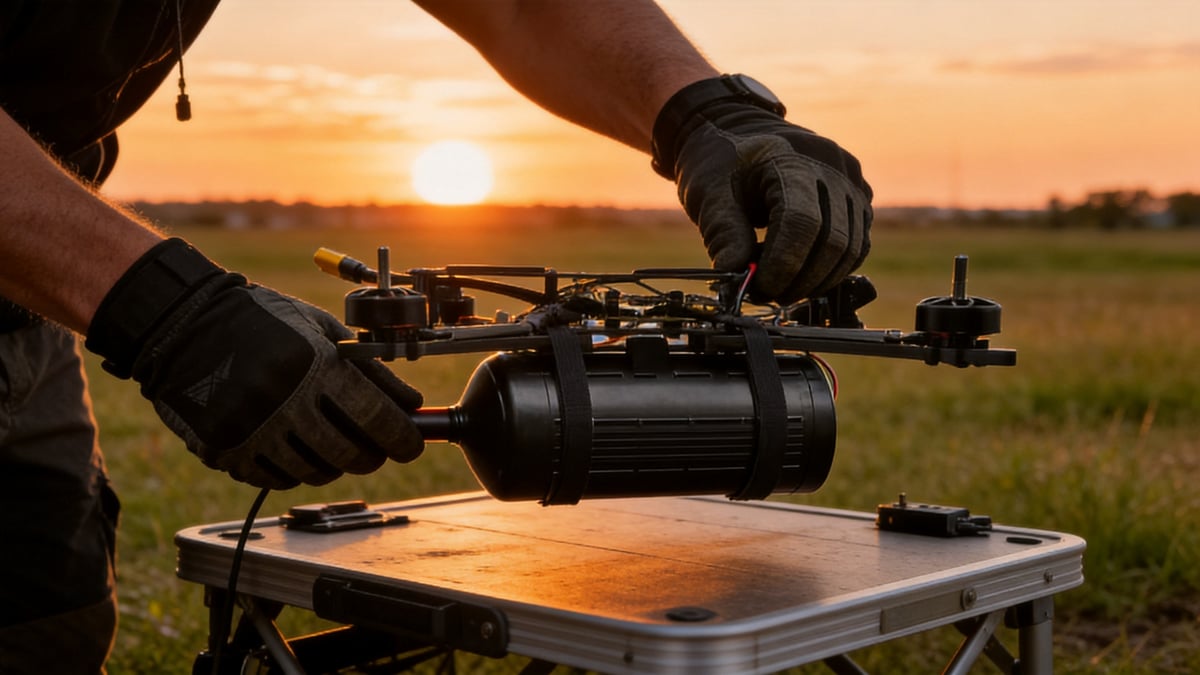
Flush-mount the spool body underneath the carbon deck plate, ensuring the axis aligns perfectly with the airframe centerline and the tail nozzle points directly rearward. Double-wrap and cinch the high-tension silicone strap, routing any loose wires away from the props.
Optical fibers are pulled out passively by the forward velocity of the airframe. Pilots must maintain a smooth, disciplined flight path. Avoid sudden high-G maneuvers, such as aggressive cobra pull-ups, rapid rolls, or violent vertical dives, to prevent line snaps from abrupt tension spikes.
Before taking off, measure the link’s optical return loss using a portable optical power meter or OTDR. Ensure that attenuation at the 1310nm band stays within the ≤0.36dB/KM limit to ensure high-frequency video streams remain reliable throughout the run.
Disclaimer and International Flight Safety Regulations (Safety & Compliance Notice)
Disclaimer and International Flight Safety Regulations:
1. This product involves the physical dispensation of wire and fiber-optic cables in mid-air. Flight operations must be coordinated with and approved by local aviation authorities before launch. It is strictly prohibited to dispense fiber-optic lines in high-density residential areas, near power grids, over busy transport arteries, or in active flight corridors of manned aircraft.
2. Operators must strictly observe pre-flight checks, including optical loss calibration, harness tension, and nozzle clearance. The manufacturer accepts no legal or financial liability for equipment losses, airframe crashes, or third-party properties damaged due to operator error (such as extreme high-speed banking, aerobatics, or erratic vertical drops causing propeller entanglement or fiber snaps).