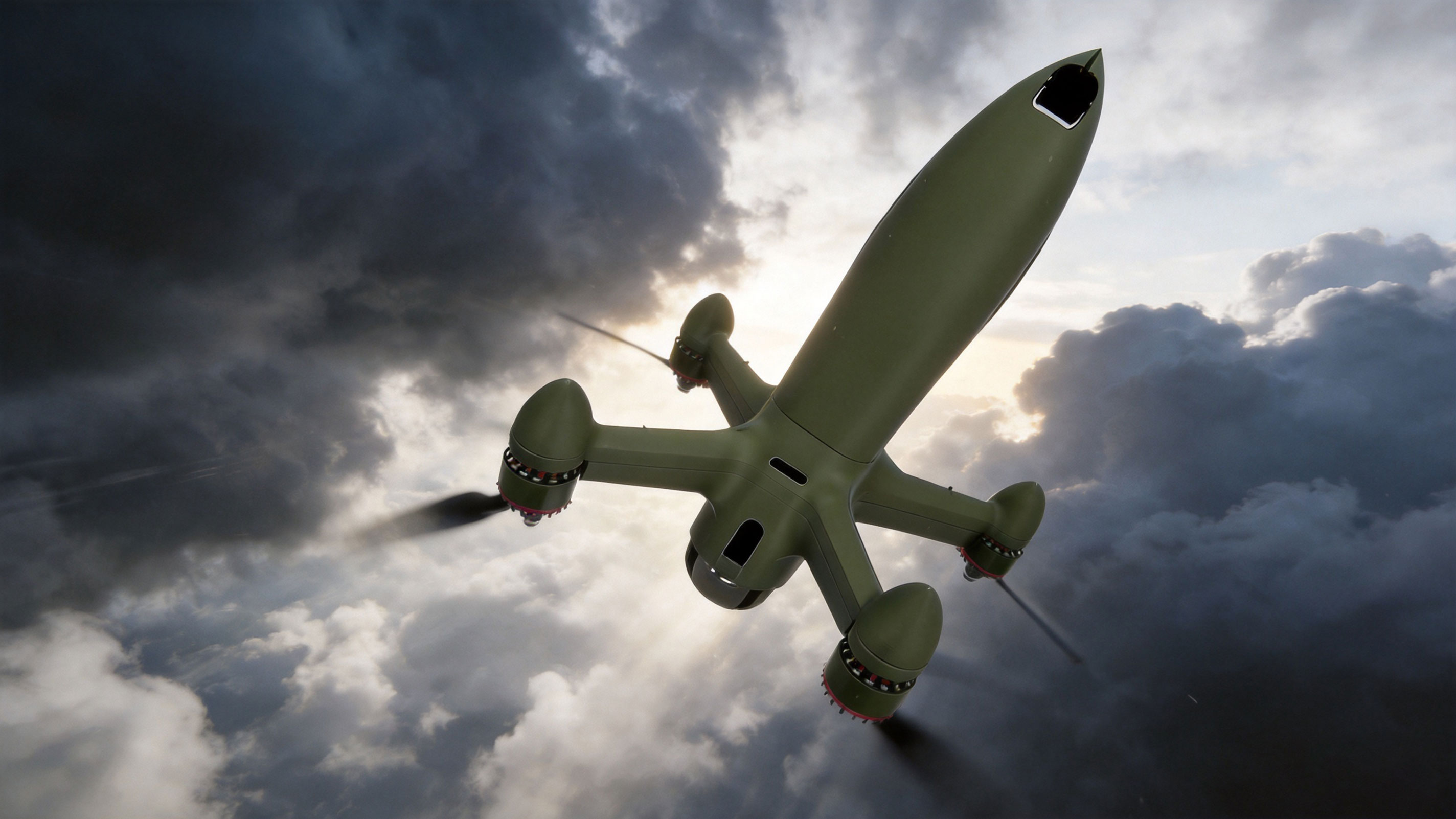
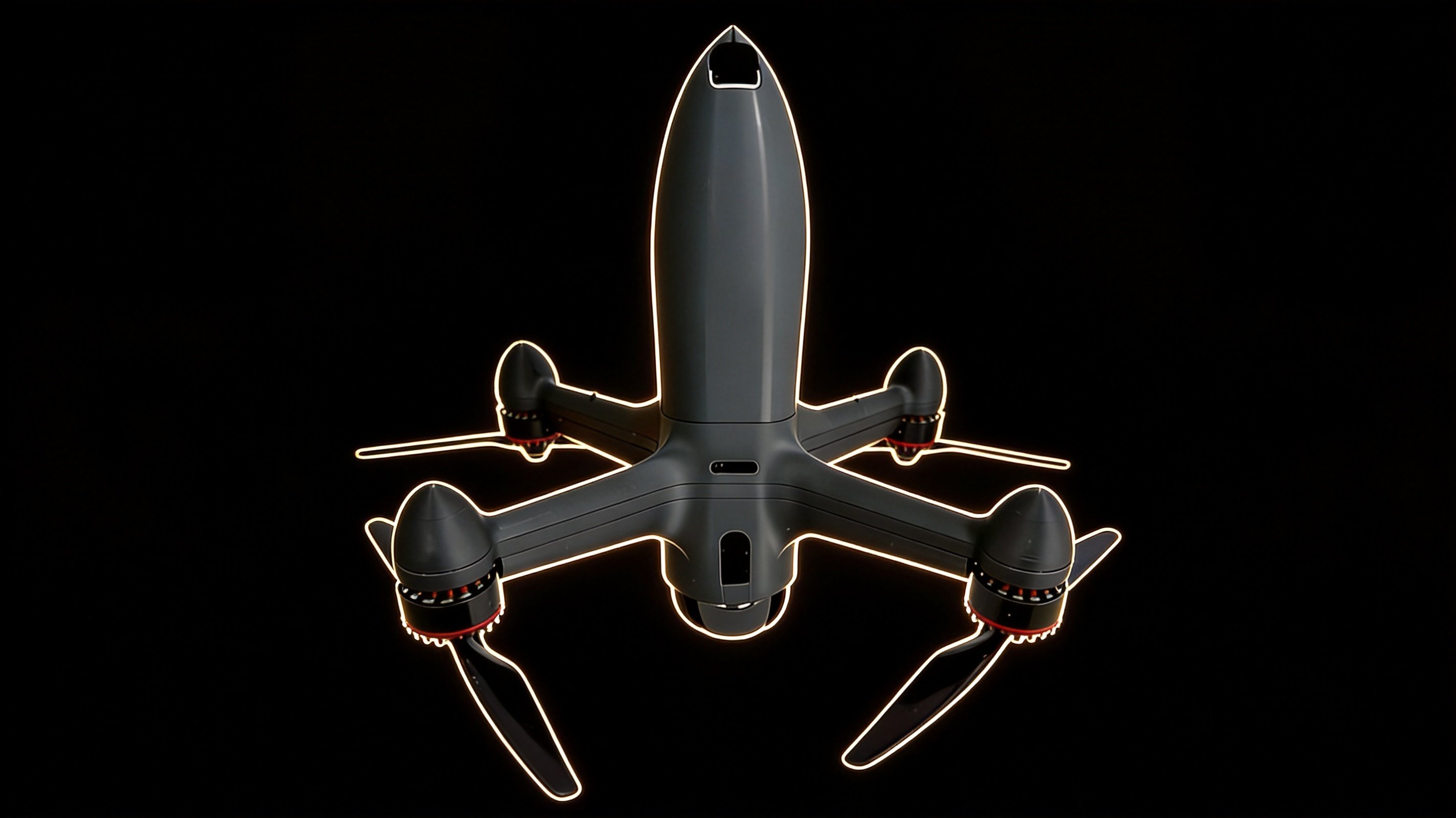
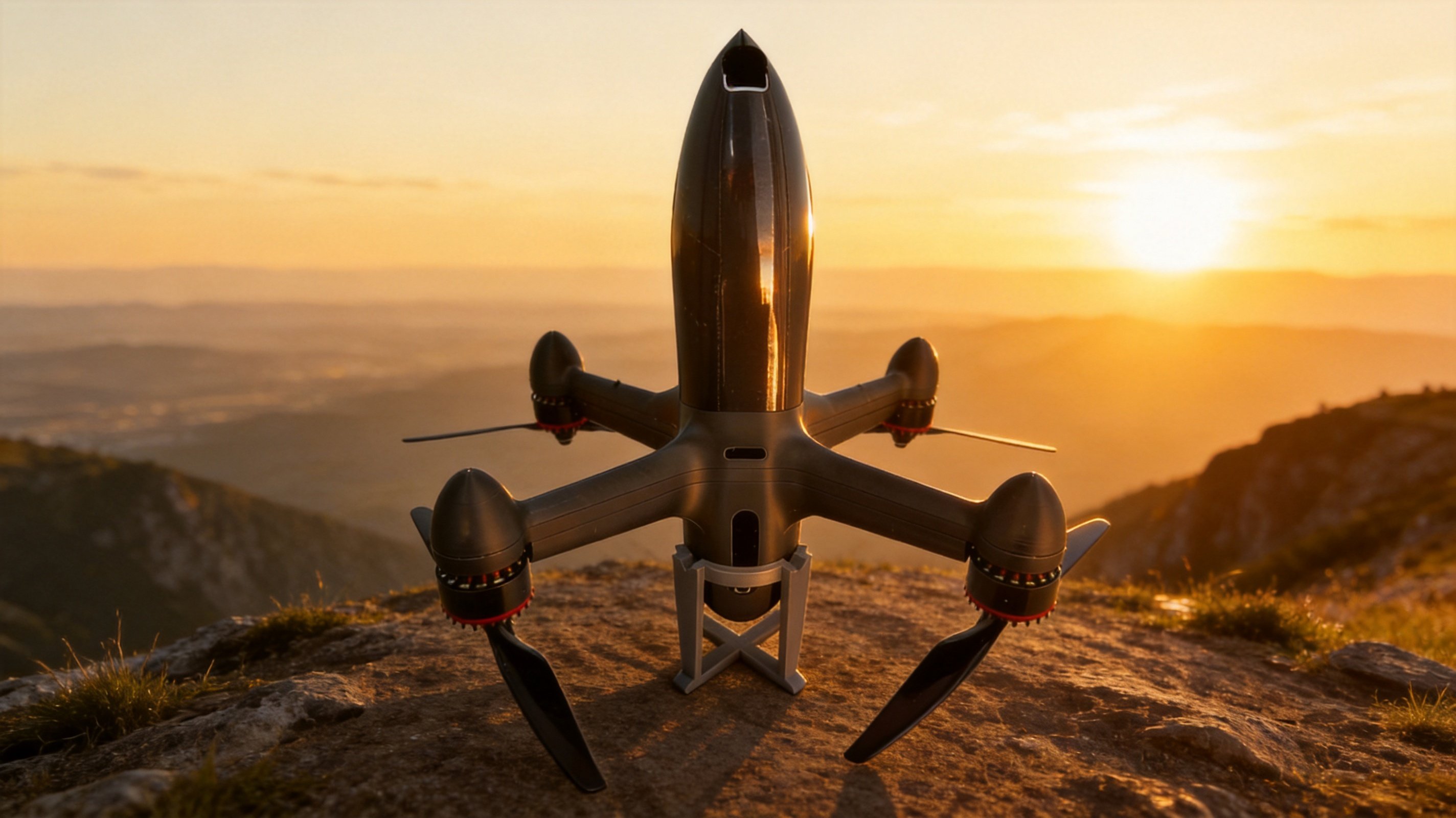
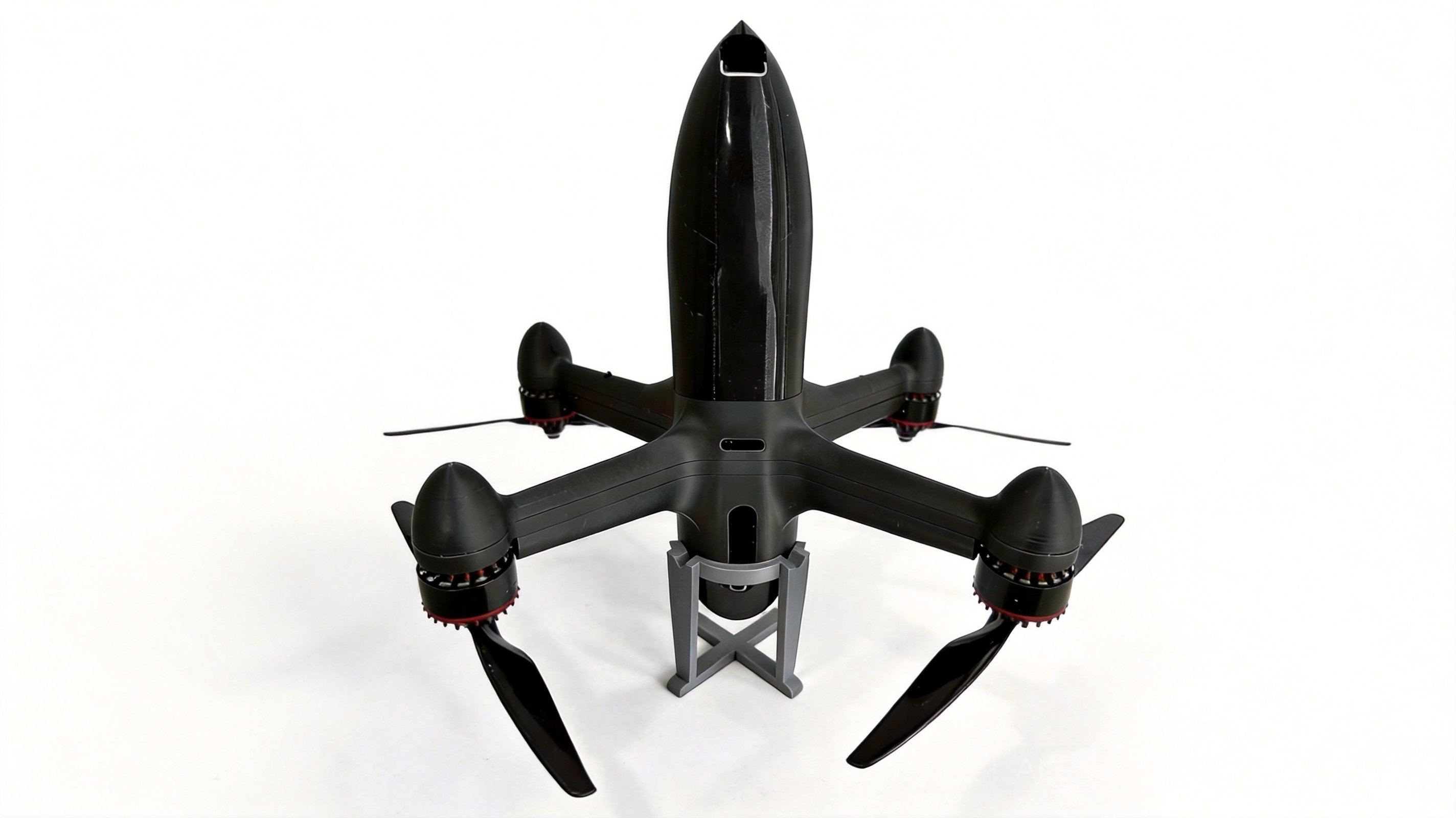
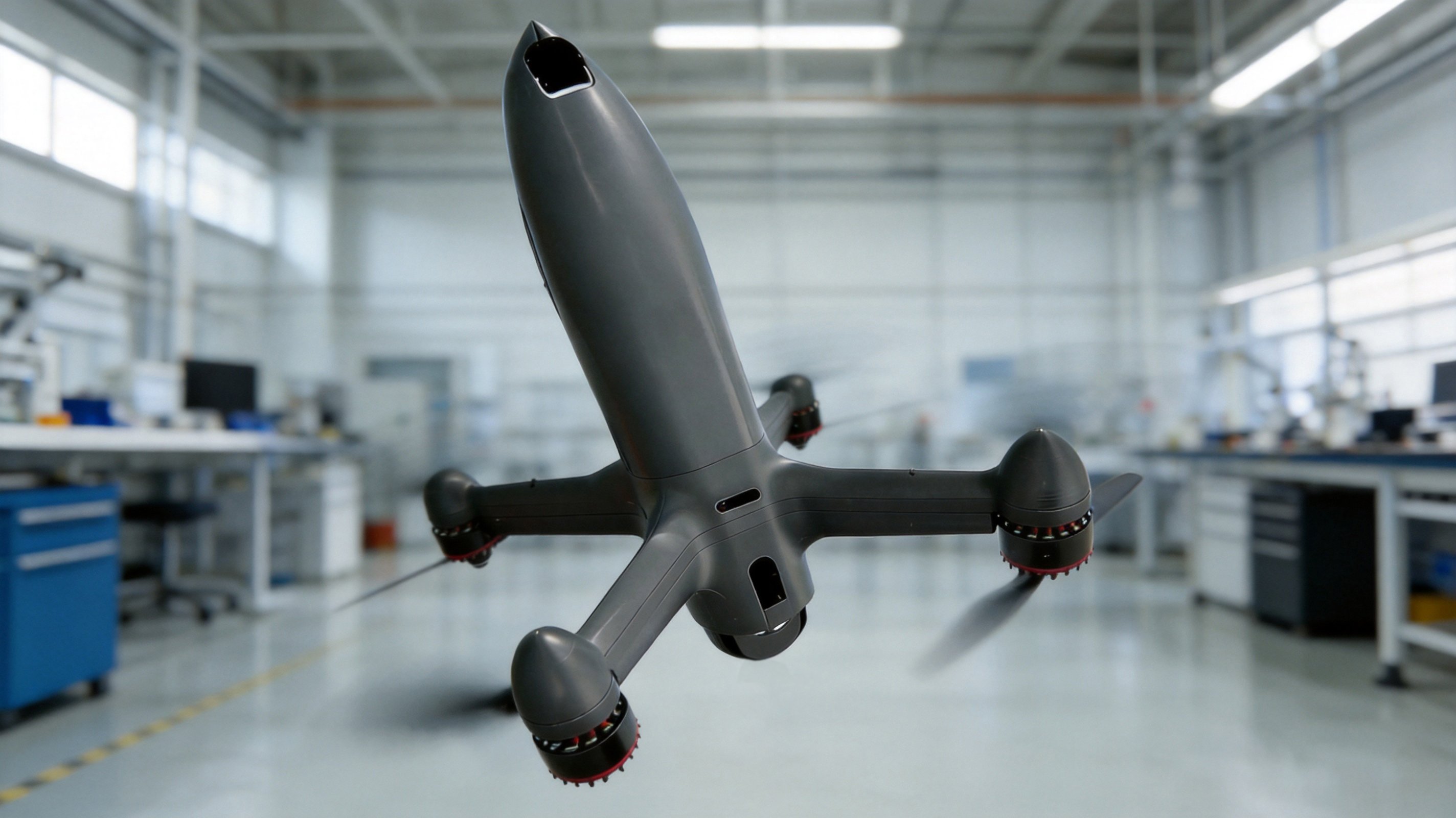
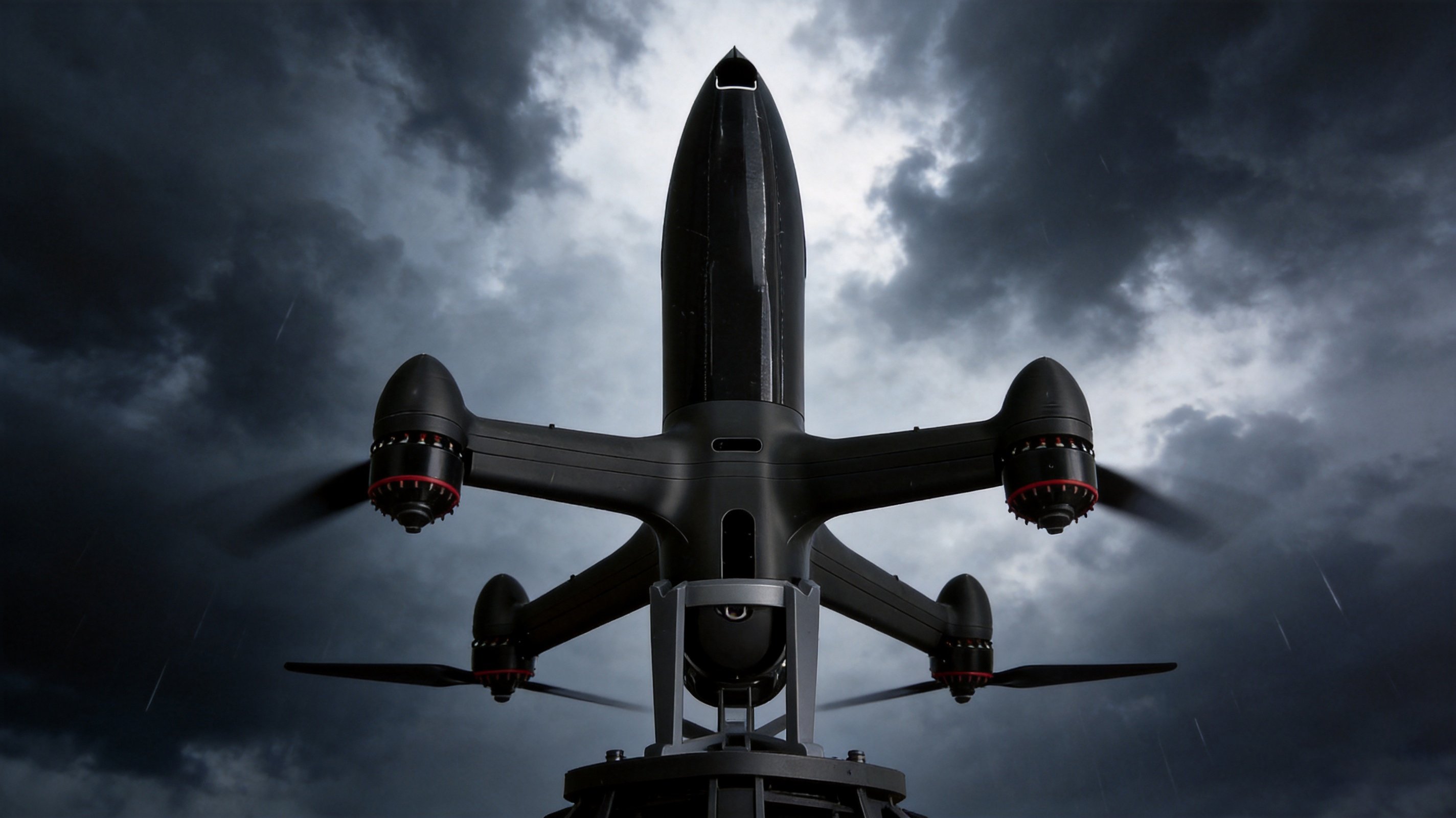
DroneWNG · ROCKET is currently offered in two primary configurations: the agile, kinetic strike-focused V052 (5-inch) and the payload-capable V081 (8-inch).
| Tactical Specification / Parameters | ROCKET V052 (Agile Strike 5”) | ROCKET V081 (Heavy Strike 8”) |
|---|---|---|
| Wheelbase | 226 mm | 310 mm |
| Dimensions | 292 x 292 x 348 mm | 420 x 420 x 430 mm |
| Max Terminal Speed | > 500 km/h (Mach 0.4) | > 500 km/h (Mach 0.4) |
| MTOW | 1.5 kg | 3.0 kg |
| Additional Payload | Dedicated Kinetic Defeat (No extra payload) | 300 g (Supports fragmented/HE warheads) |
| Defensive Range | 20 km | 20 km |
| Service Ceiling | 3,000 m | 3,000 m |
| C2 Link Range | ≥ 5 km (Line-of-sight unobstructed) | |
| Power Source | 8S 1,700 mAh 150 C high-discharge rate LiPo | |
| Maximum Endurance | 10 - 20 minutes (Maneuver dependent) | |
DroneWNG · ROCKET is a next-generation high-speed professional C-UAS (Counter-Unmanned Aerial System) interceptor, meticulously engineered to counter modern asymmetric low-altitude threats such as kamikaze drones, loitering munitions, and swarm networks.
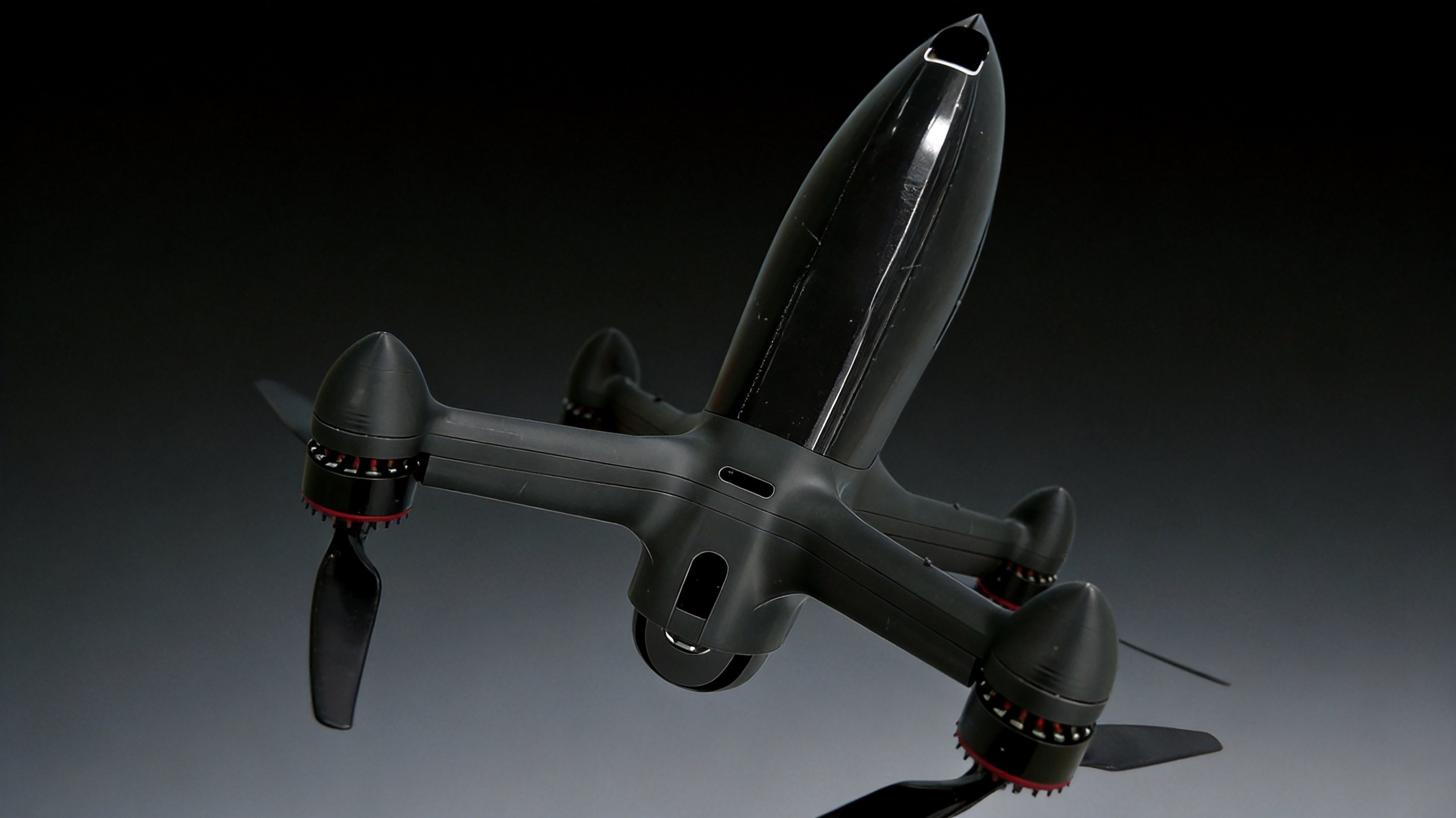
Unlike conventional consumer photography drones or prohibitively expensive air-defense missiles, the DroneWNG · ROCKET system innovatively fuses missile-grade aerodynamics with the high maneuverability of multi-rotor platforms. Featuring a terminal dash speed of 500+ km/h, a tri-mode hybrid guidance link (AI vision + radar + command guidance), and a highly cost-effective 3D-printed composite airframe, it delivers precise kinetic defeat within extremely narrow response windows. Whether deployed as a man-portable system for rapid reaction teams or networked in defensive ground-based swarms, DroneWNG · ROCKET provides international security and defense operators with the most cost-efficient low-altitude protection loop.
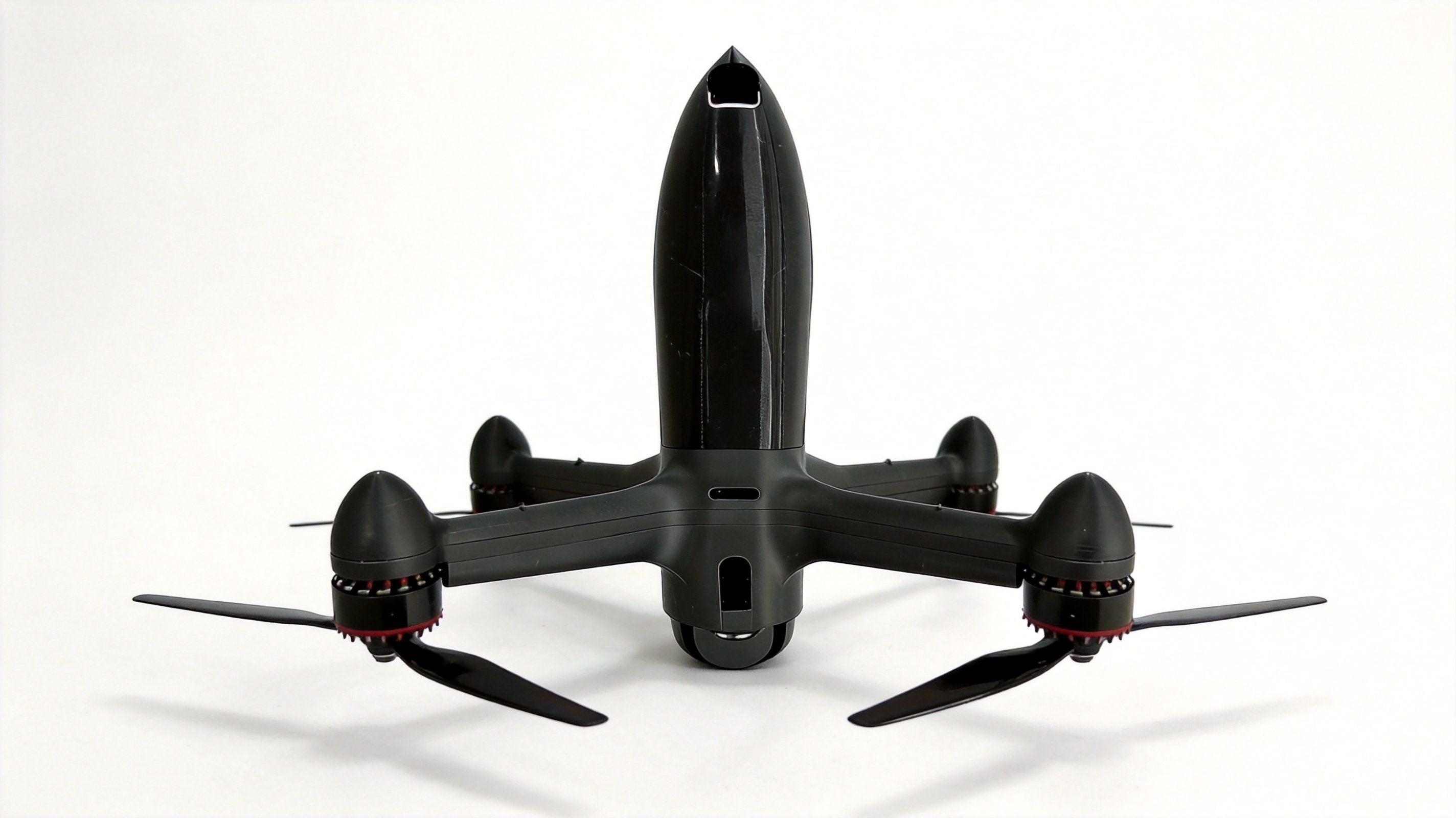
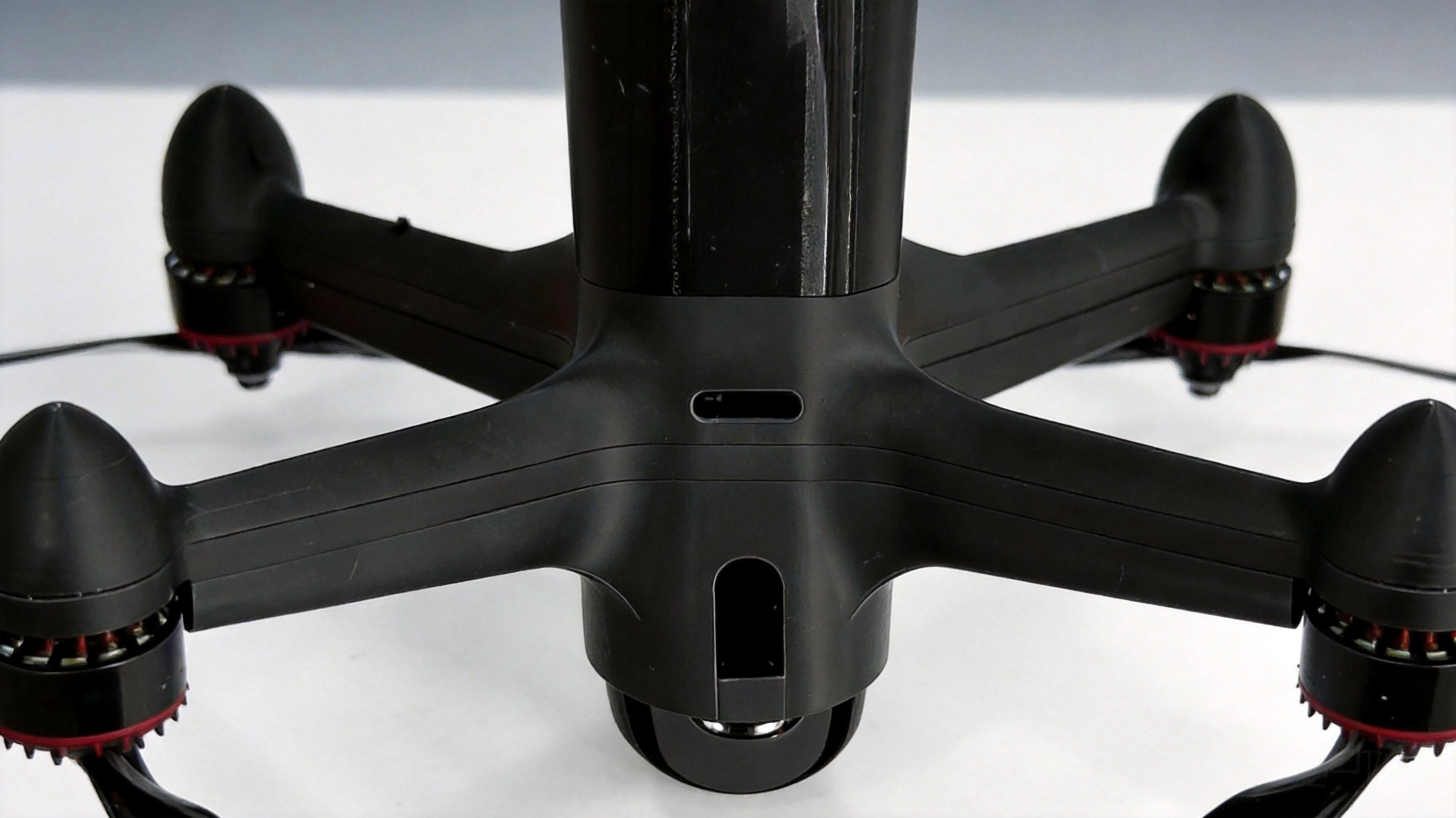
When countering low-cost saturating swarm attacks, the core metrics of defense are speed and deployment economics. ROCKET achieves overwhelming tactical hegemony in both domains:
Speed dictates survival. ROCKET possesses an extreme thrust-to-weight ratio that shatters the physical limits of traditional multi-rotor aircraft, pushing maximum level flight and dive speeds past 500 km/h. It can sprint across a 20 km defensive perimeter to intercept threats before high-value targets (HVT) are compromised.
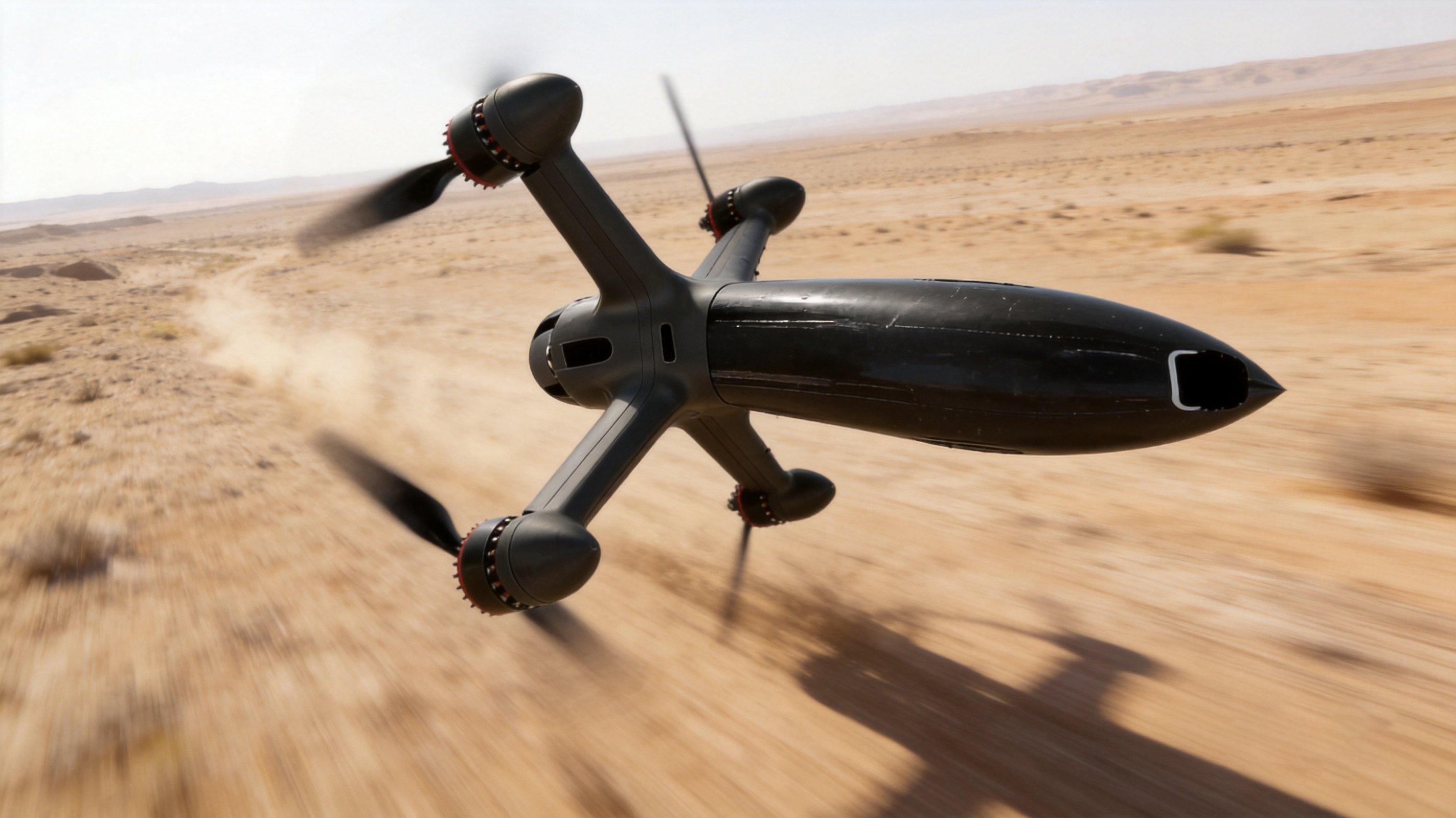
By employing industrial-grade polymer and carbon fiber 3D printing, the empty weight drops from a CNC-standard 1.2 kg to just 0.84 kg. Crucially, if a mission is aborted or an intercept misses, the drone instantly cuts power and deploys an integrated recovery parachute. Single-use flight costs are slashed to a fraction of a traditional surface-to-air missile.
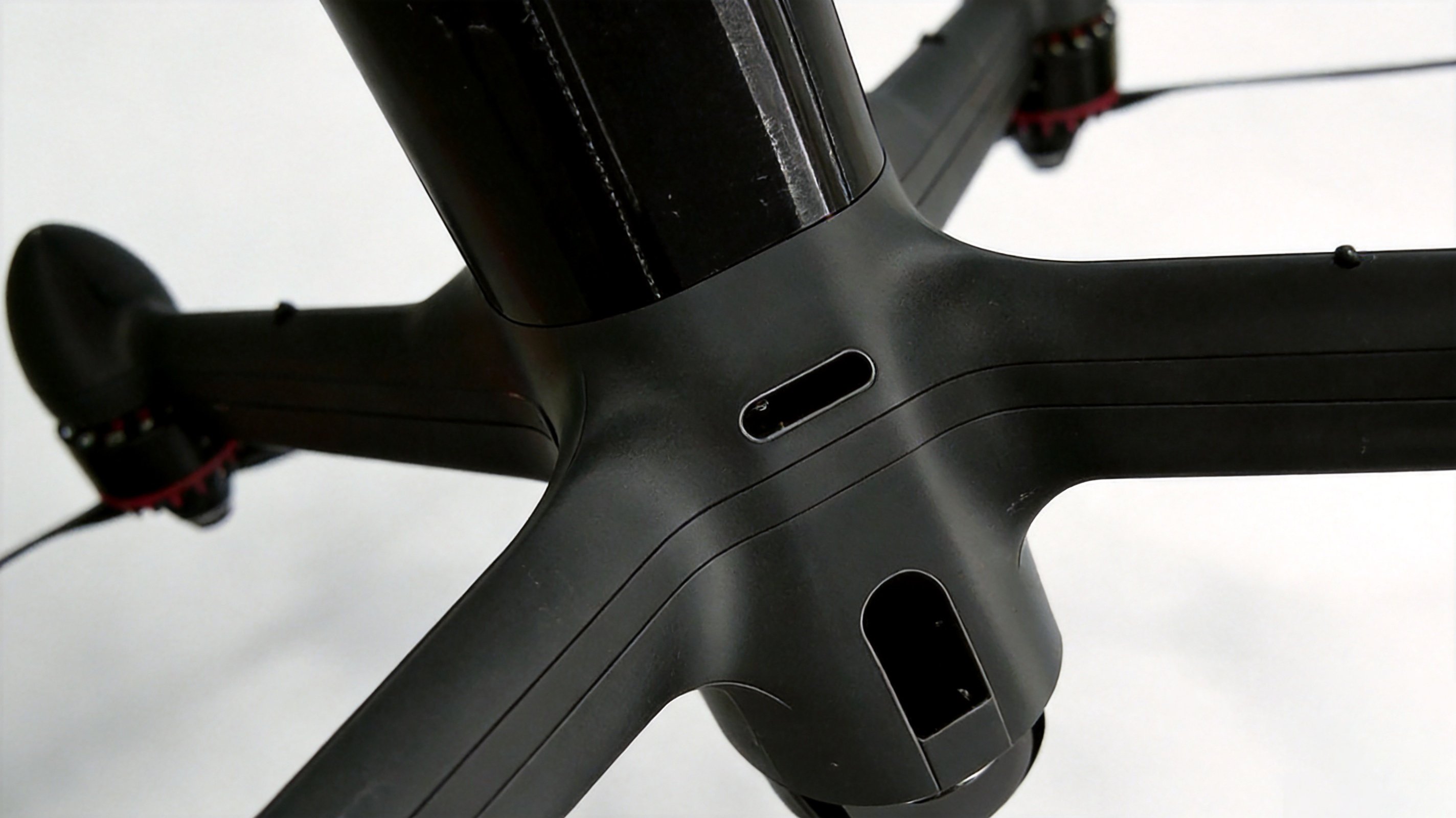
Designed for seamless integration with standardized military and civil C2 (Command & Control) systems. A single ground control station supports simultaneous takeoff and mission management of ≥ 20 interceptors. Inter-drone tactical datalink latency is kept under 10 ms, facilitating dynamic target allocation and coordinated kinetic defeat.
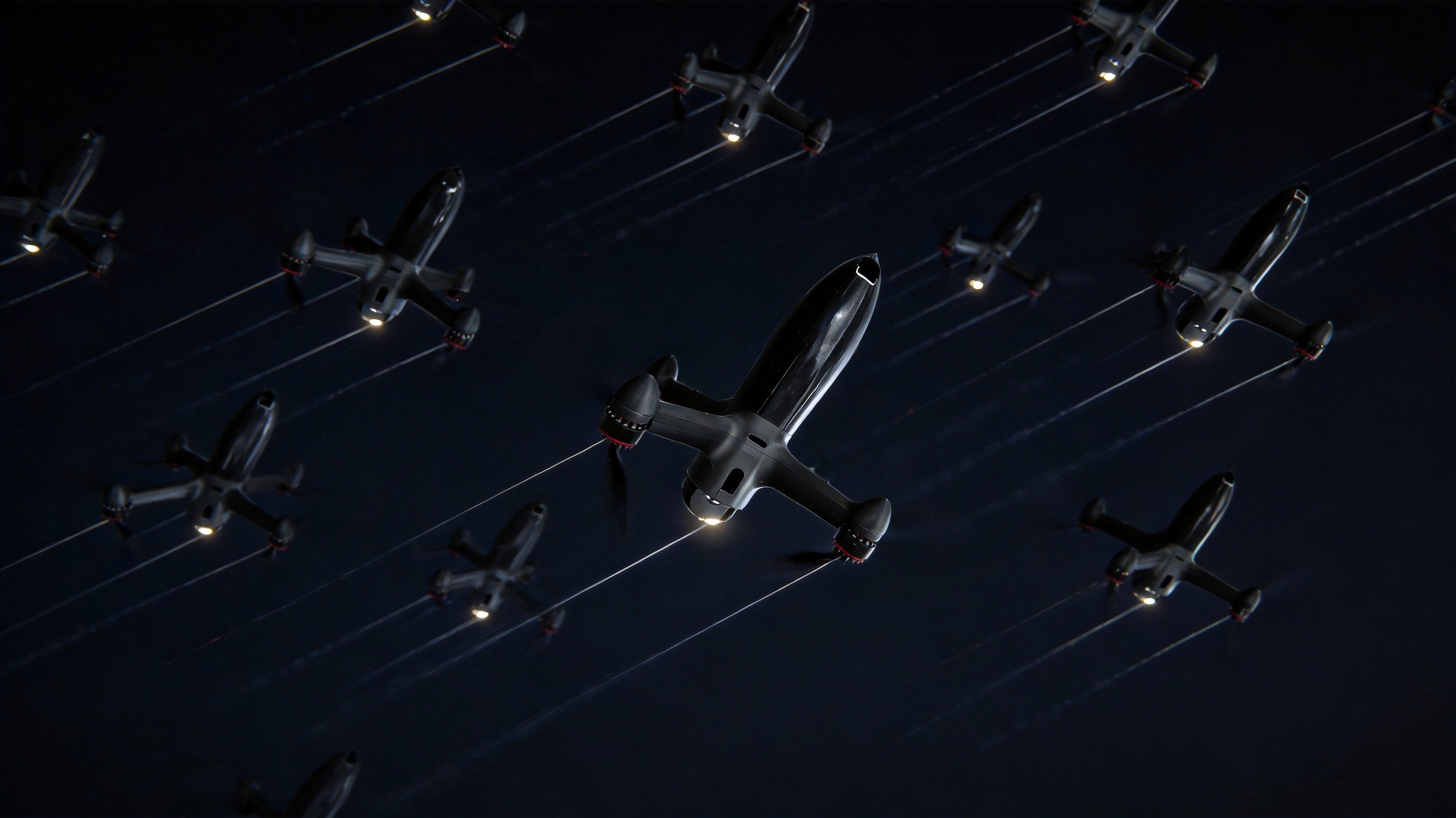
DroneWNG · ROCKET offers rapid tactical deployment across land, sea, and air domains:
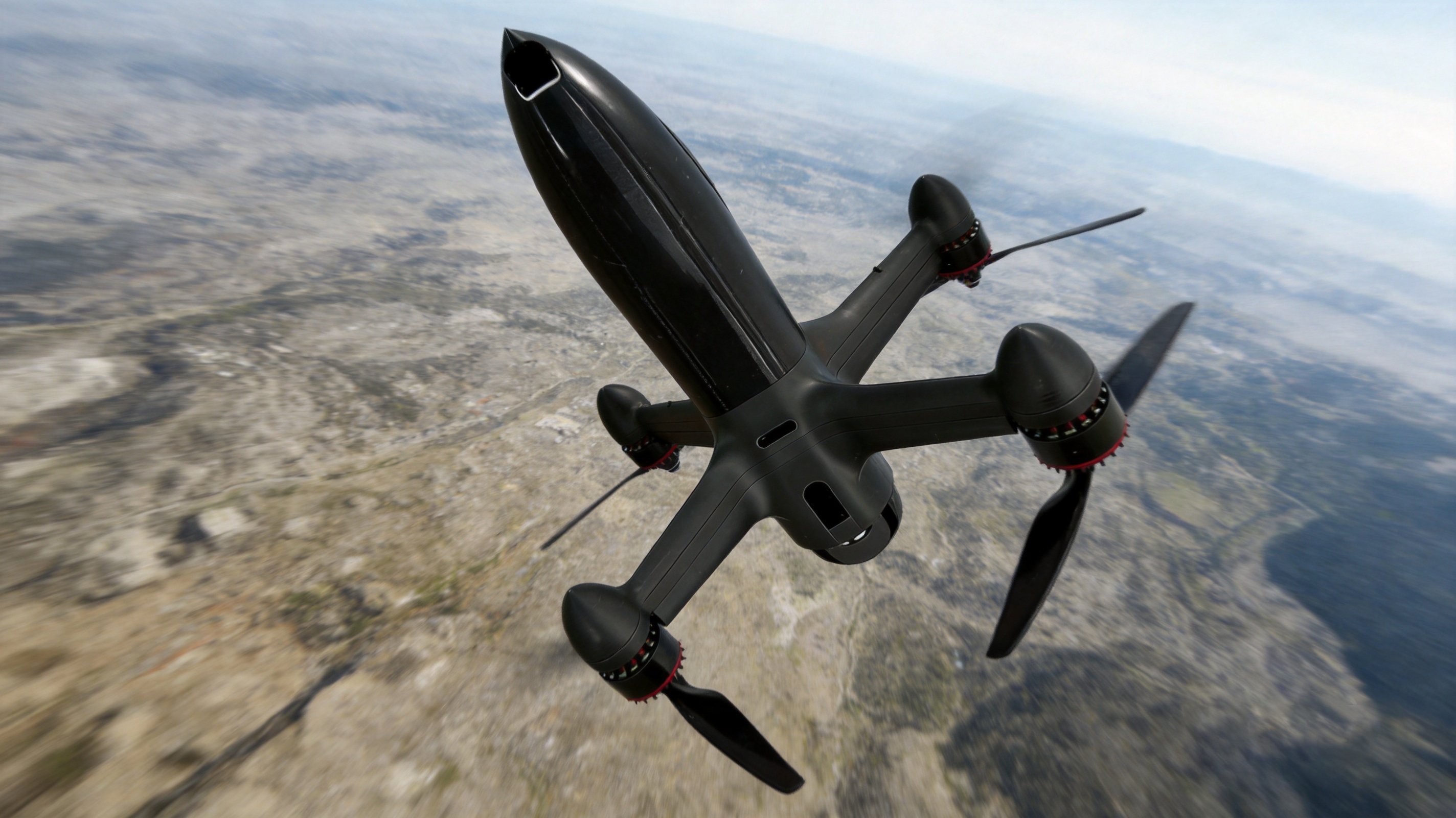
Specifically optimized to neutralize Low, Slow, and Small (LSS) threats and high-danger loitering munitions. It systematically strips away hostile reconnaissance drones, heavy suicide UAS, and tight fixed-wing swarms, creating an active protection dome over critical infrastructure.
Leveraging deep-learning trajectory prediction algorithms, ROCKET can pivot to precision ground and maritime operations, delivering unavoidable near-vertical kinetic strikes against hostile air defense radars, communication arrays, armored vehicles, or fast-attack watercraft.
To accommodate varied security and operational environments globally, ROCKET features two highly integrated, rapid-reaction launch platforms:
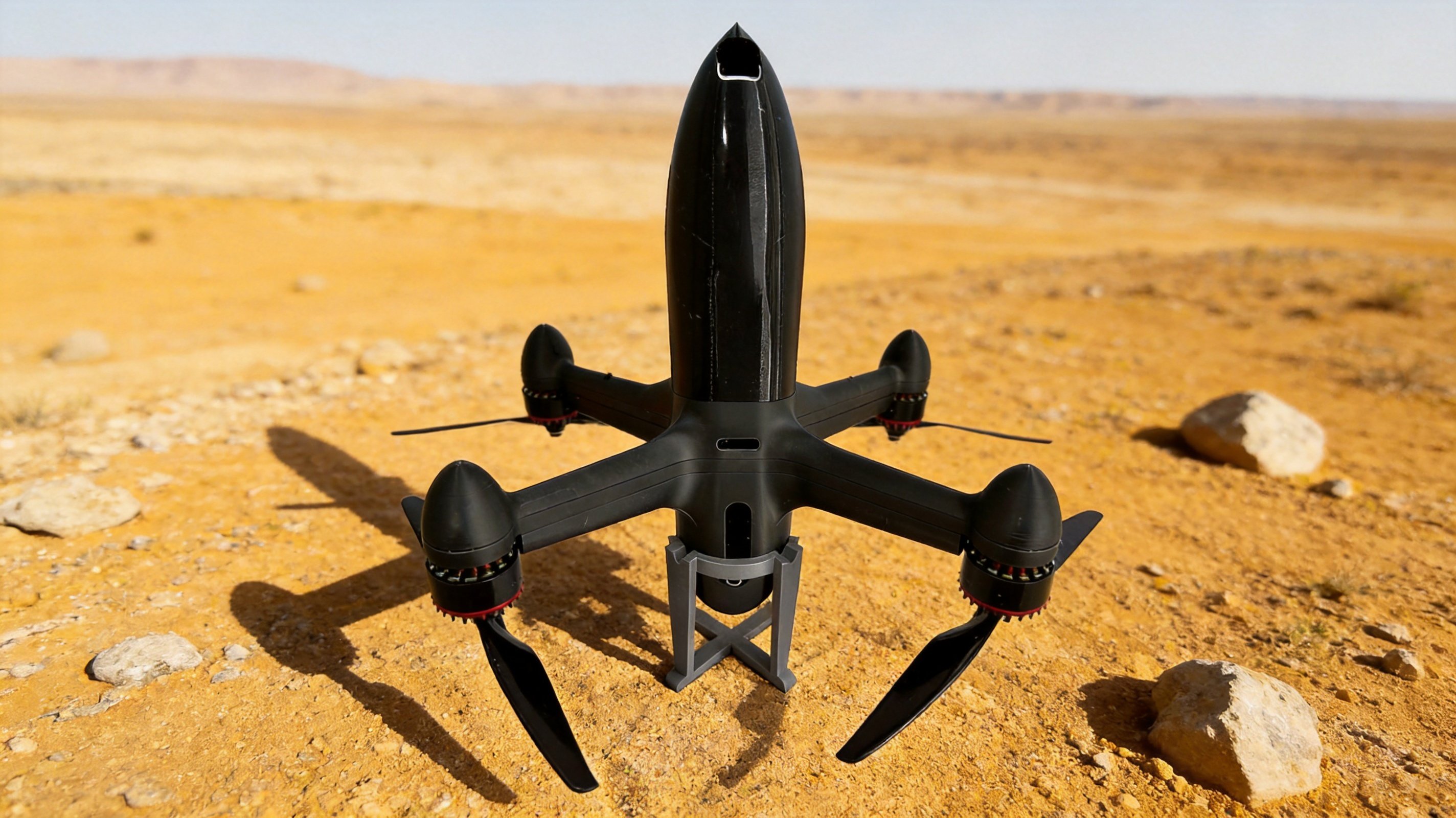
Equips frontline operators or small infantry squads with high-mobility low-altitude defense capabilities.
• Shoulder-Fired Simplicity: Ergonomically designed lightweight carbon fiber shoulder launcher with integrated optical/thermal sights. Simple ‘lock-and-fire’ workflow permits line-of-sight operations without complex radar guidance.
• Hardware Safety Interlocks: Physical safety interlocks prevent accidental firing or ignition in assembly zones.
• True Fire-and-Forget: Once launched, the rotors instantly ignite and lock onto the target trajectory, allowing the operator to immediately relocate or reload.
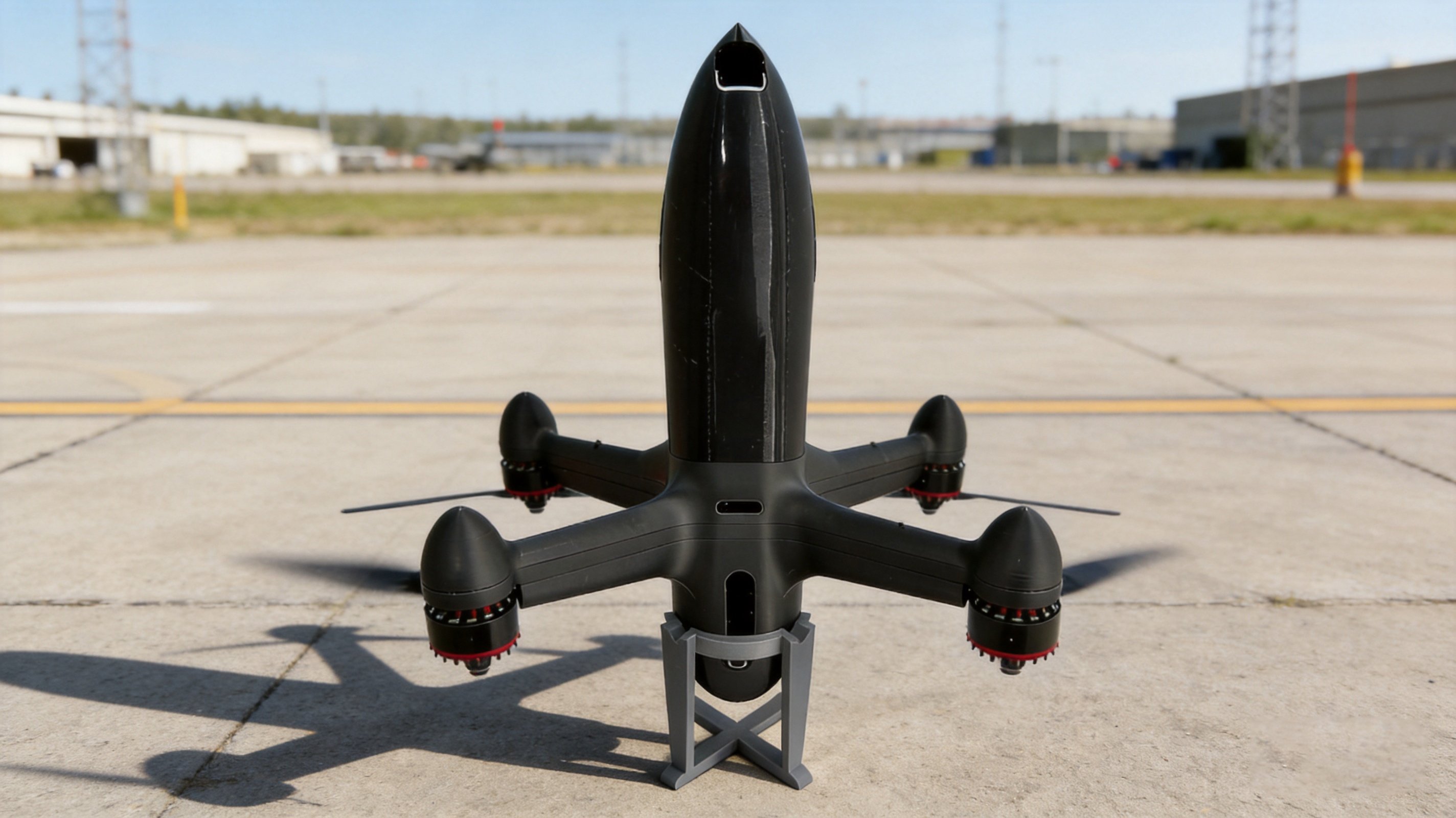
Engineered for permanent or semi-permanent installations at border bases, embassy buildings, or heavy tactical vehicles.
• Unattended, All-Weather Readiness: Merges secure storage, thermal management, and matrix launch arrays. The IP67-rated container monitors internal temp/humidity and smoke hazards.
• Smart Busbar Management: trickle-charges and performs Built-In Self-Tests (BITE) over months of standby, guaranteeing millisecond-level hatch release and cold-gas vertical launch upon threat detection.
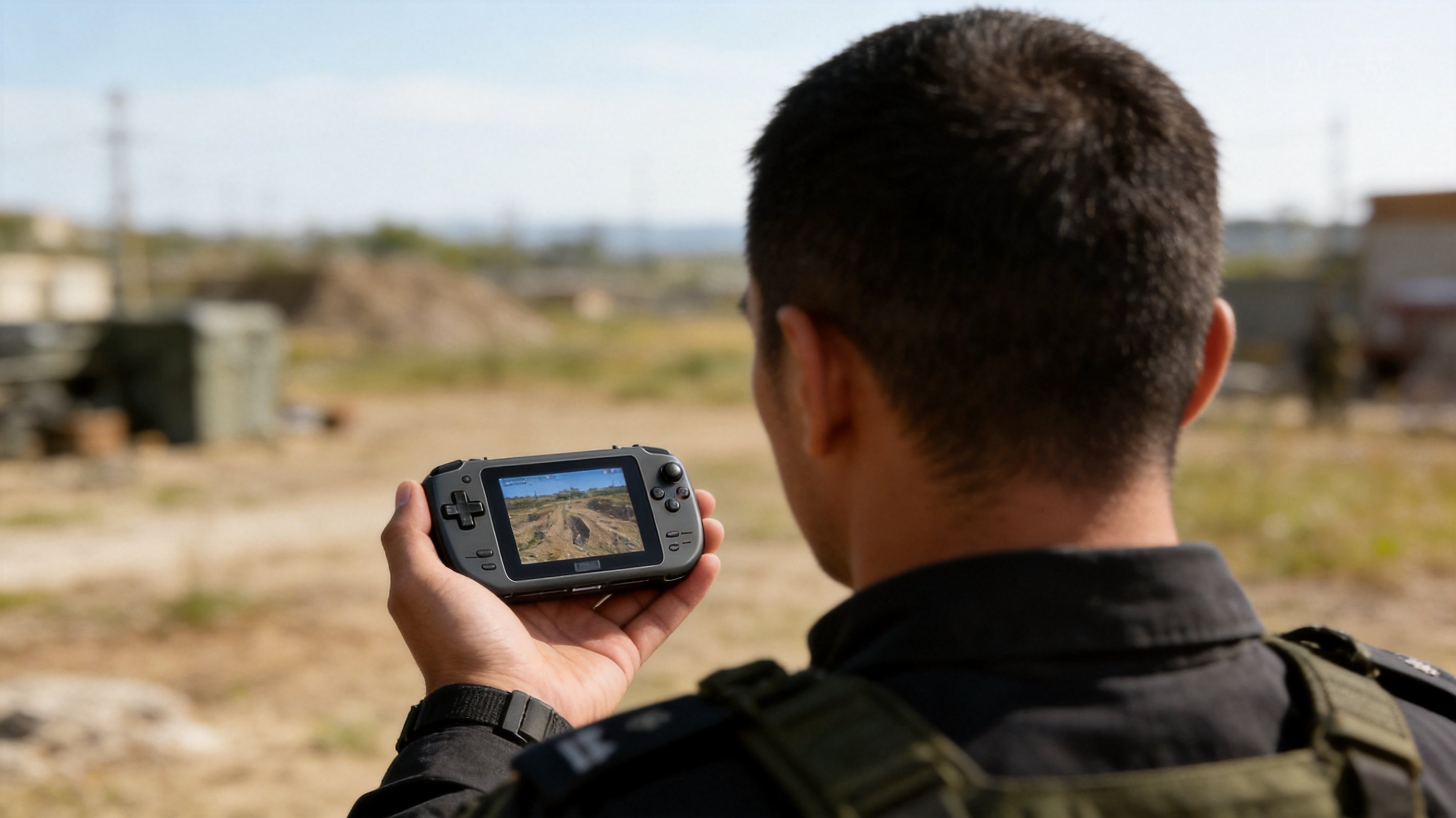
The nervous system of DroneWNG · ROCKET has undergone rigorous hardware-in-the-loop (HITL) simulations and field trials. The system supports seamless real-time switching between HITL (Human-in-the-Loop) override and Fully Autonomous Fire Control modes.
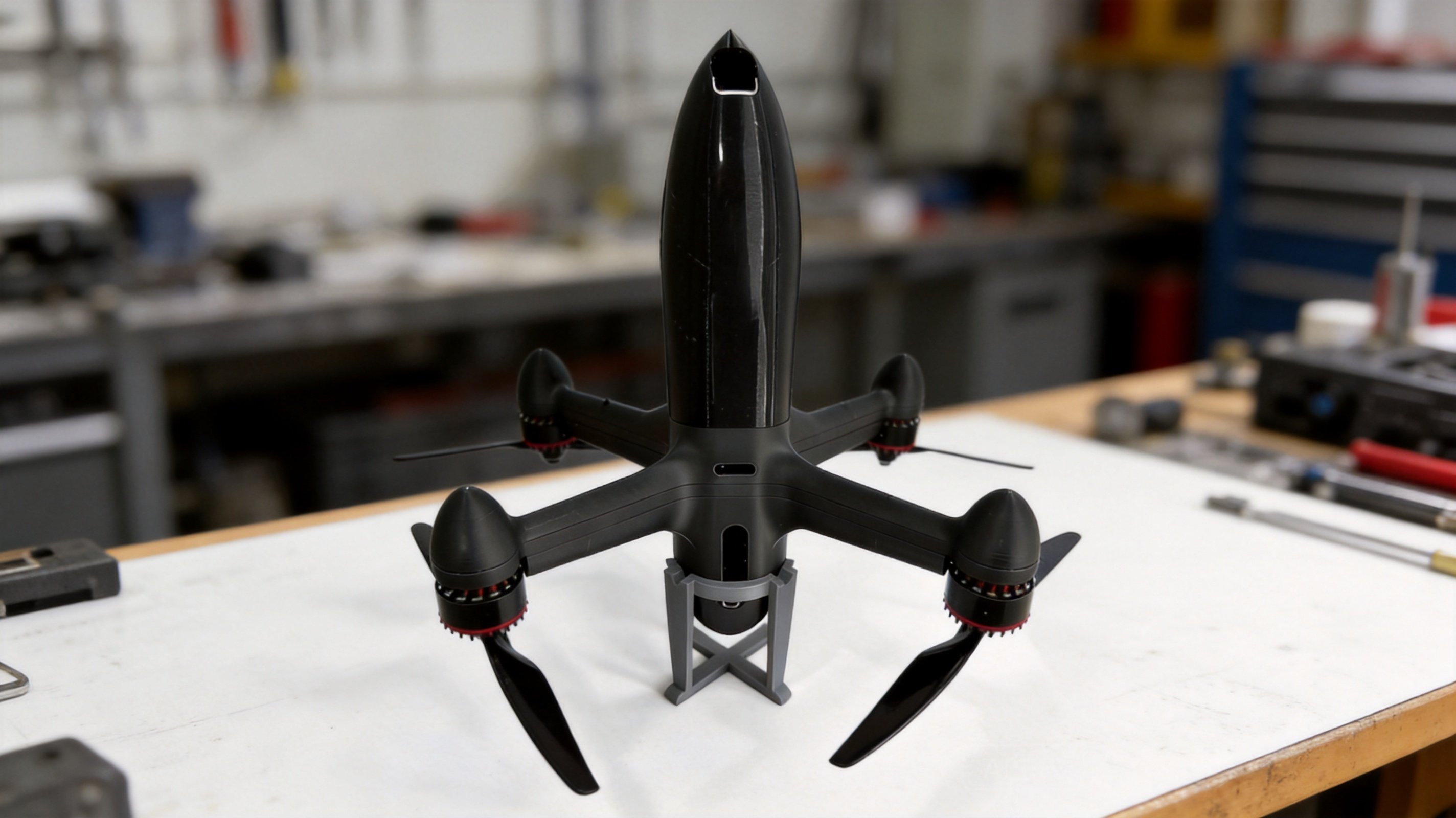
• All-Weather Seeker Options: Operators can select from cost-effective single-sensor (high frame-rate visible light) optical seekers or upgrade to advanced dual-sensor (visible + high-sensitivity infrared thermal imaging) fused seekers, securing terminal lock-on through thick smoke and absolute darkness.
• Deep-Learning Target Lock: The onboard Edge NPU hosts neural networks trained on extensive synthetic datasets, permitting instantaneous profile identification of hostile drones and calculating high-speed lead pursuit geometry.
DroneWNG operates in strict compliance with international strategic export control regulations to serve qualified government agencies, defense contractors, and critical infrastructure security organizations.
The VELOCITY platform and its proprietary C2 command interfaces are classified as dual-use goods under global export controls. Procuring entities must provide valid End-User Certificates (EUC) and undergo background security screenings.
Every system undergoes complete sanitation of testing data prior to shipping. Hardware is packed in shockproof IP67 military flight cases or heavy wooden crates, shipped via cargo lines certified to handle high-discharge density LiPo packs (UN38.3).
We provide on-site operational courses and integration training (subject to visa and regional regulatory clearance) to ensure deployment teams unlock 100% of the interceptor’s defensive potential.
Important Disclaimer
1. The DroneWNG · VELOCITY system contains high-kinetic-energy interceptors. Deployment against unauthorized objectives or civilian targets is strictly prohibited.
2. The purchaser pledges adherence to local civil aviation parameters and international treaties regarding the proliferation of arms and dual-use components. Unauthorized resale, transfer, or redirection of the platform to unverified third parties nullifies all manufacturer support immediately and will be reported to appropriate regulatory bodies.
3. As the C2 interfaces utilize complex radio-frequency (RF) profiles, the purchaser is solely responsible for acquiring localized Frequency Licensing and compliance validation.