Explore the professional-grade physical dimensions, propulsion metrics, and environmental rating of DroneWNG · VISION:
DroneWNG · VISION Quad-rotor is a professional-grade quadrotor flight platform designed for global commercial unmanned aerial vehicle (UAV) pilot certification, high-intensity aviation instruction, and lightweight industrial/imaging payload validation.
Fully aligned with FAA (Federal Aviation Administration), EASA (European Union Aviation Safety Agency), and ICAO (International Civil Aviation Organization) standards for medium-to-large commercial UAV practical training. Integrating a highly reliable modular architecture, robust all-weather ingress protection, and an exceptionally portable folding framework, DroneWNG · VISION Quad-rotor resolves traditional flight academies’ pain points of fragility, high maintenance, and short endurance. Whether performing standard Visual Line of Sight (VLOS) training, Beyond Visual Line of Sight (BVLOS) testing, or serving as a versatile aerial chassis for early-stage gimbal validation, it represents the premier choice for leading aviation institutions and universities worldwide.
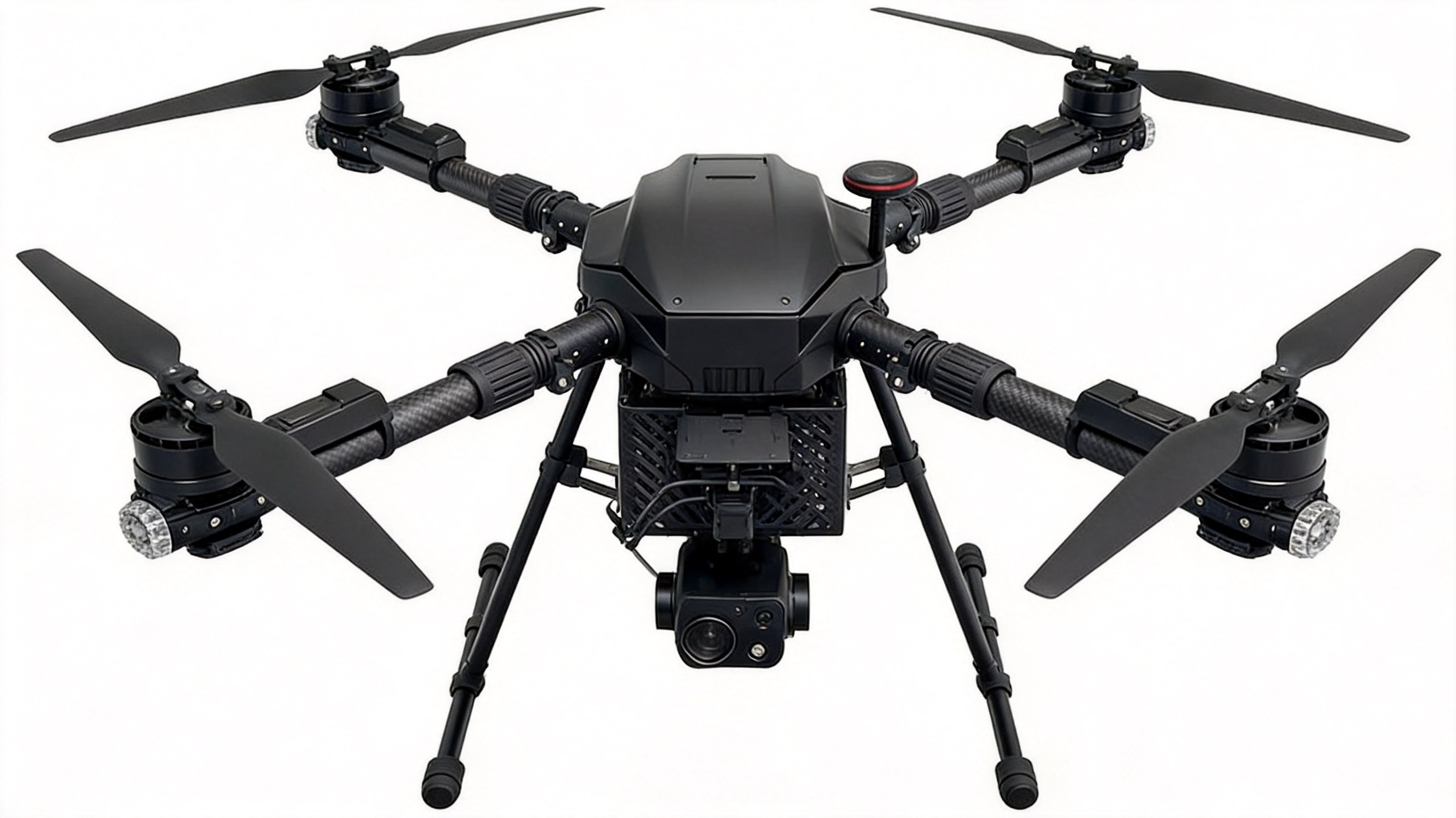
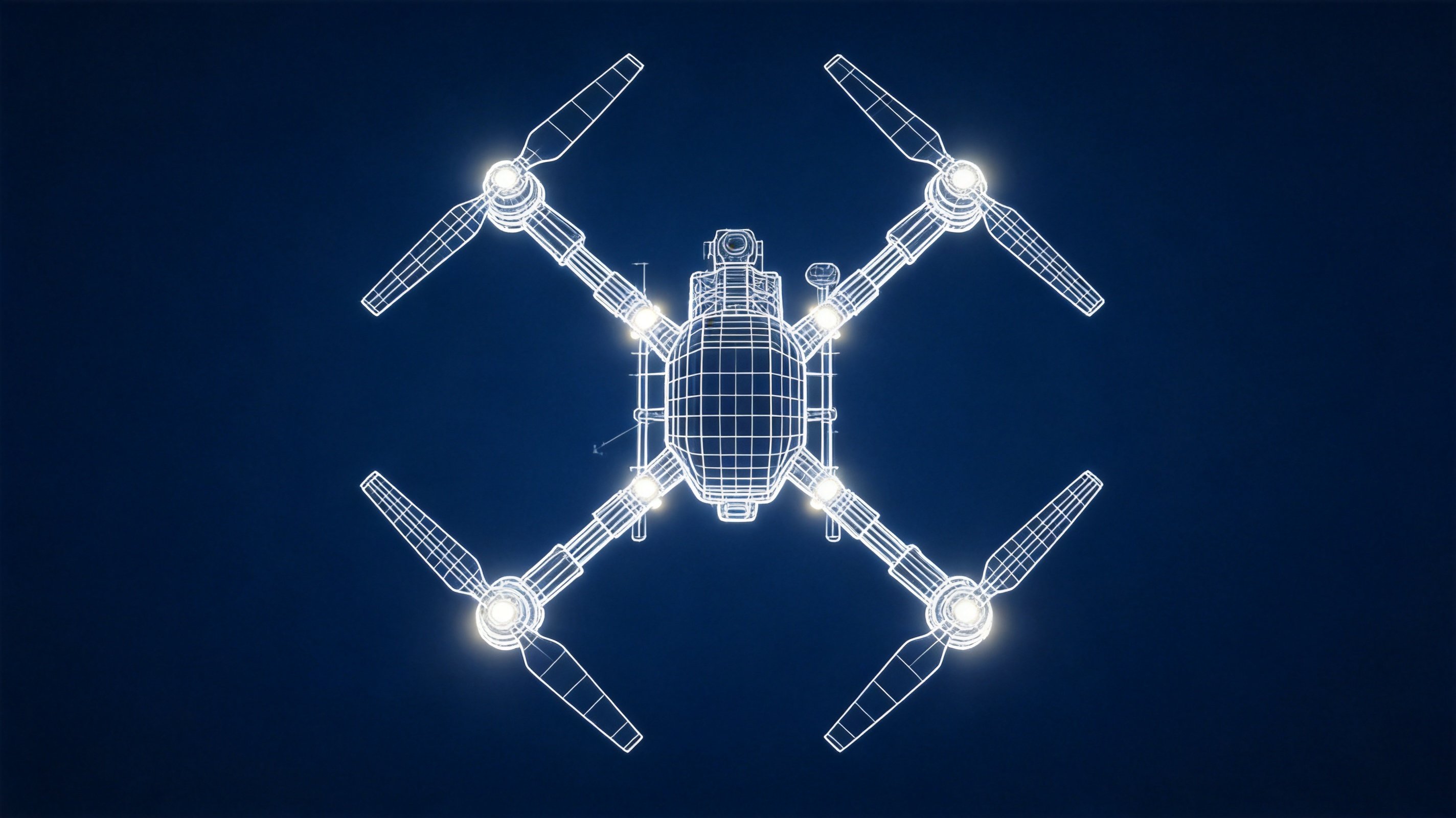
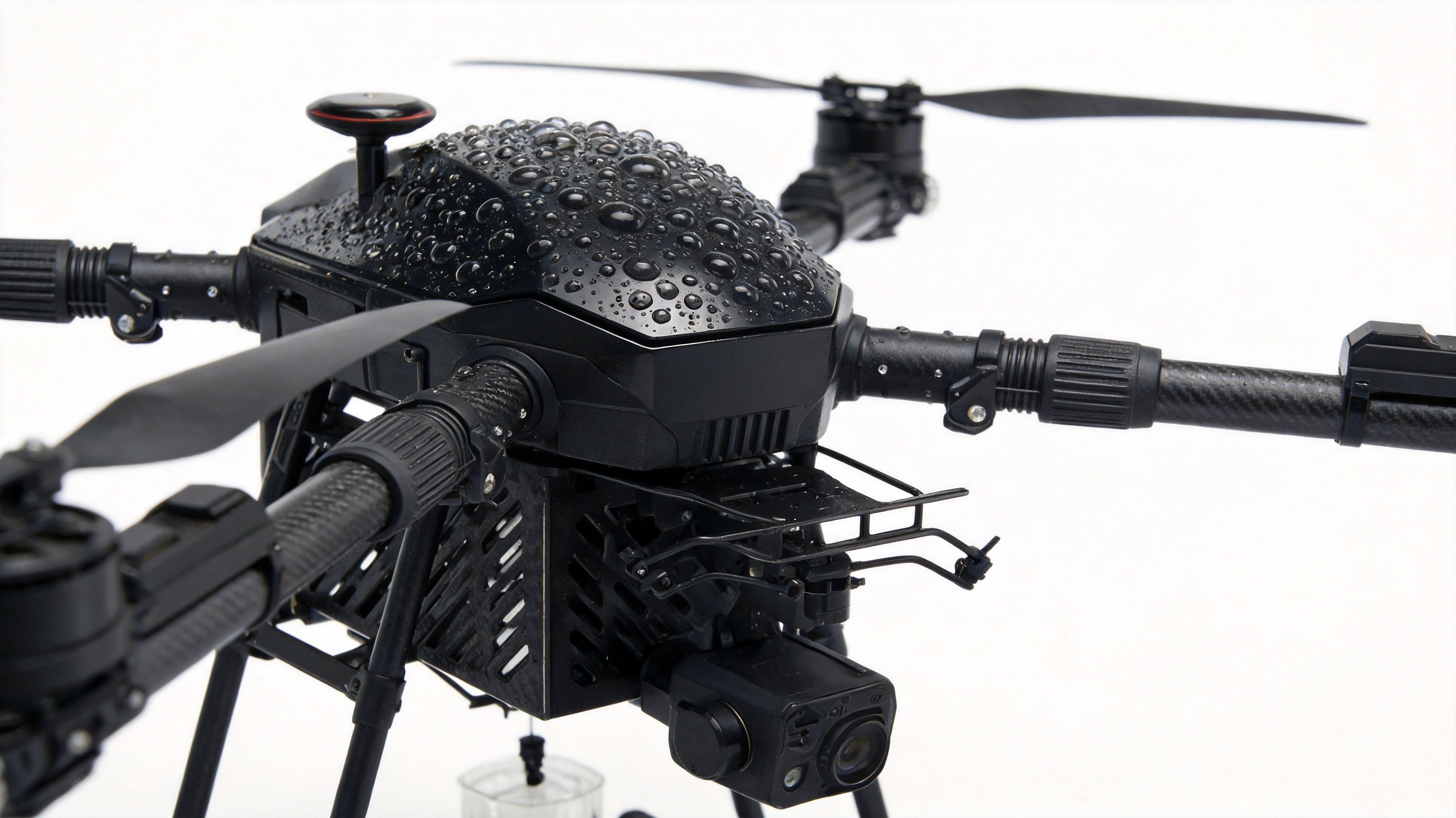
To adapt to the grueling weather and terrain profiles of global field training operations, DroneWNG · VISION features critical structural and protective innovations:
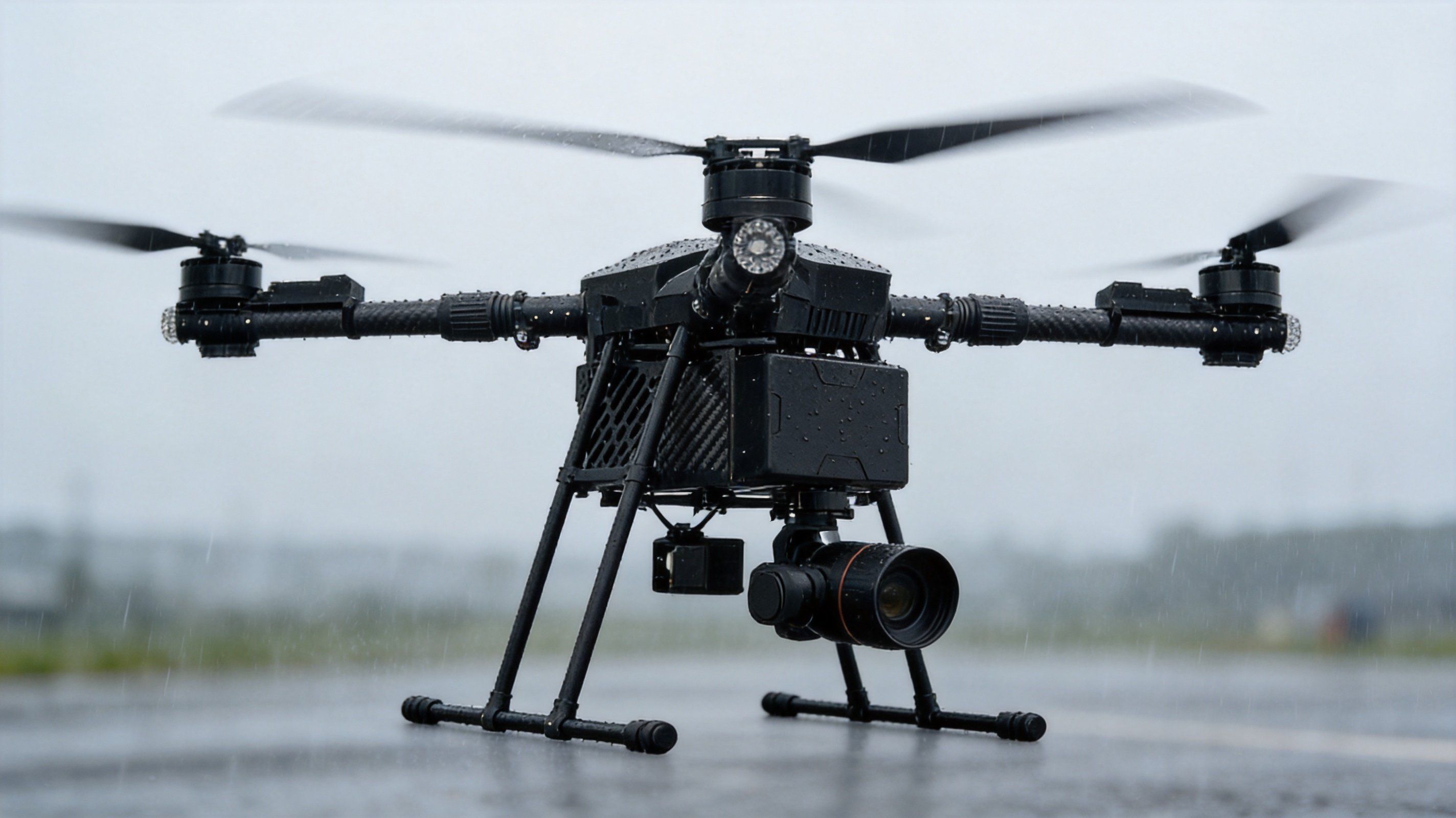
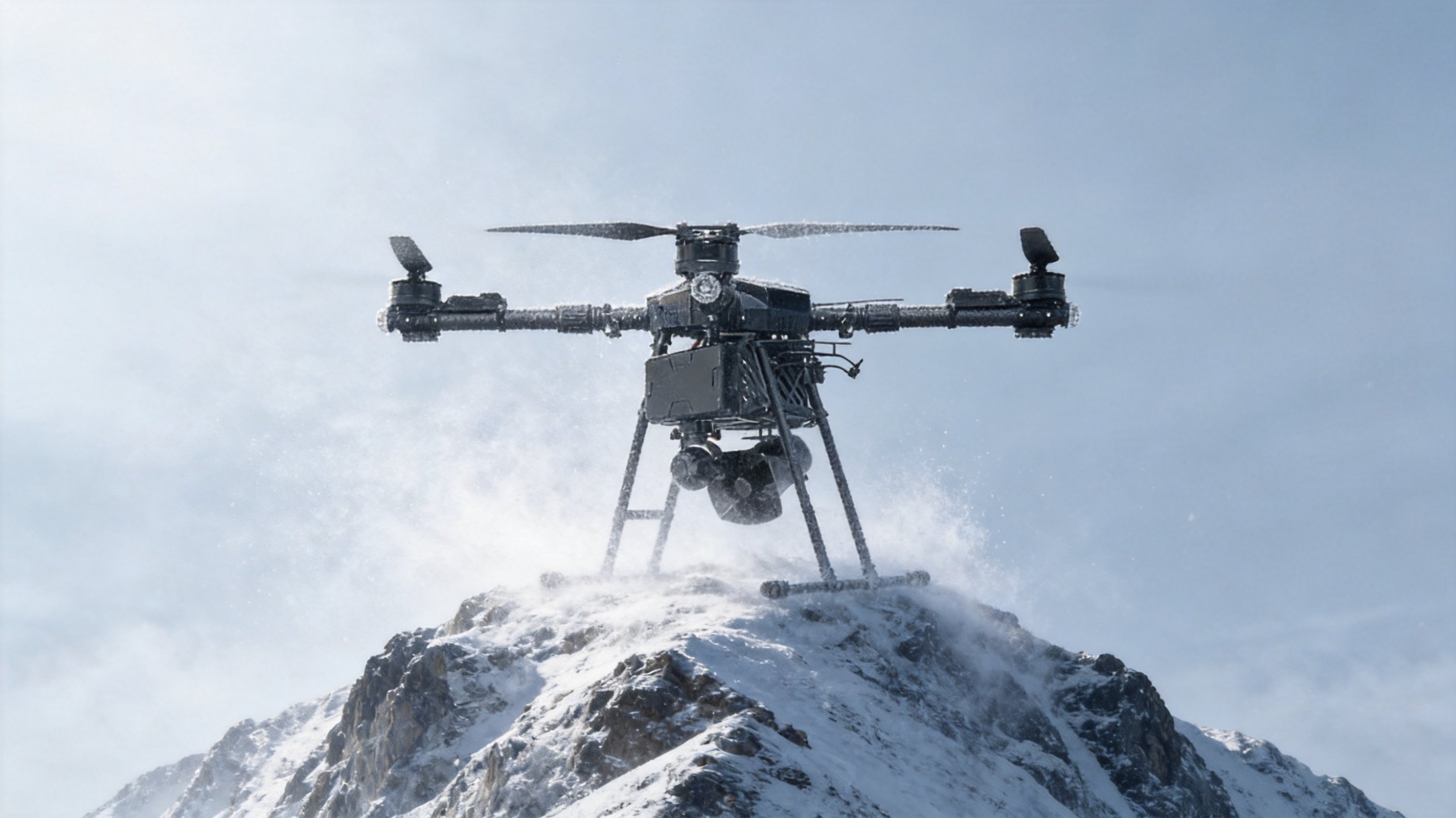
The complete airframe boasts a certified IP54 ingress protection rating. The newly upgraded aerodynamic canopy seals out dust, sand, and precipitation from light to moderate rain. Protecting core electronics—including the flight controller, receiver, and GNSS module—ensures flight training programs proceed in inclement weather without disrupting high-frequency licensing calendars.
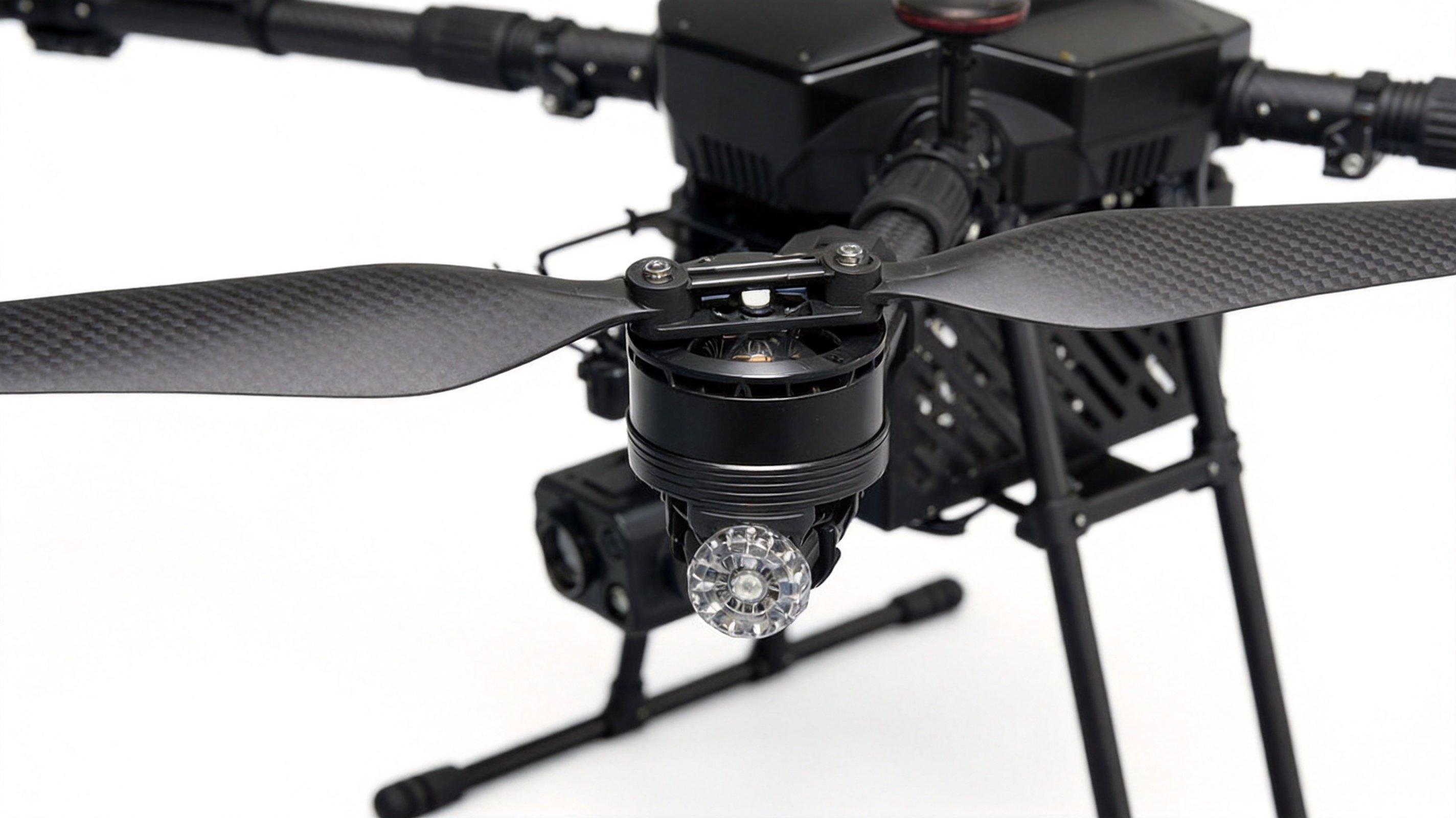
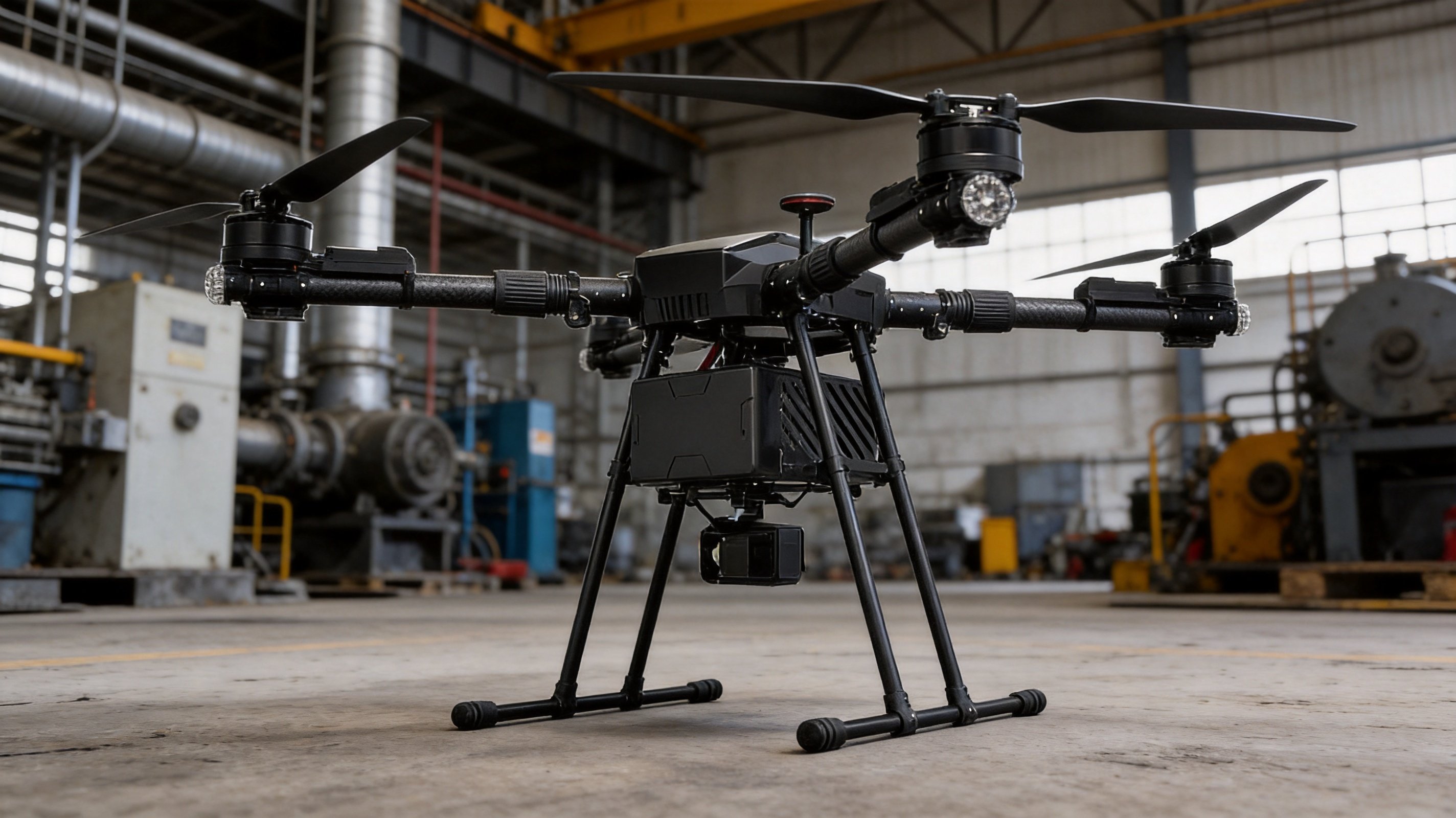
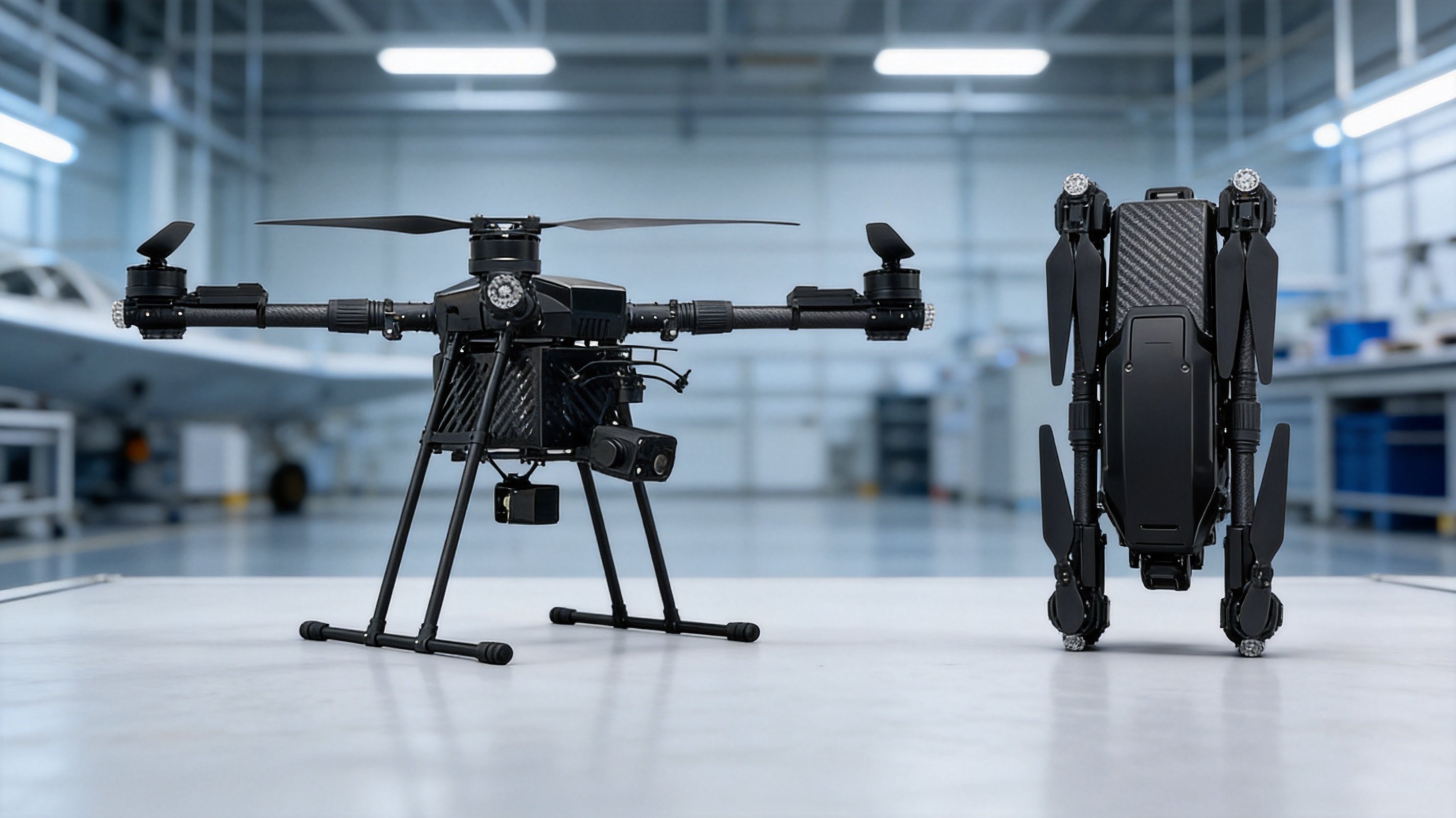
Four oversized carbon fiber arms fold downward via CNC-machined aerospace-grade aluminum hinges, locking into place securely in seconds. The reduced footprint permits efficient transport in standard SUV cargo holds, greatly simplifying logistics between classrooms, field sites, and equipment depots.
Abandoning traditional manual wiring layouts, the interior incorporates a professional Modular PDB (Power Distribution Board). The isolated wire routing physically separates high-power electrical current from low-power control signals, reducing electromagnetic interference (EMI) and guaranteeing microsecond command execution latency.
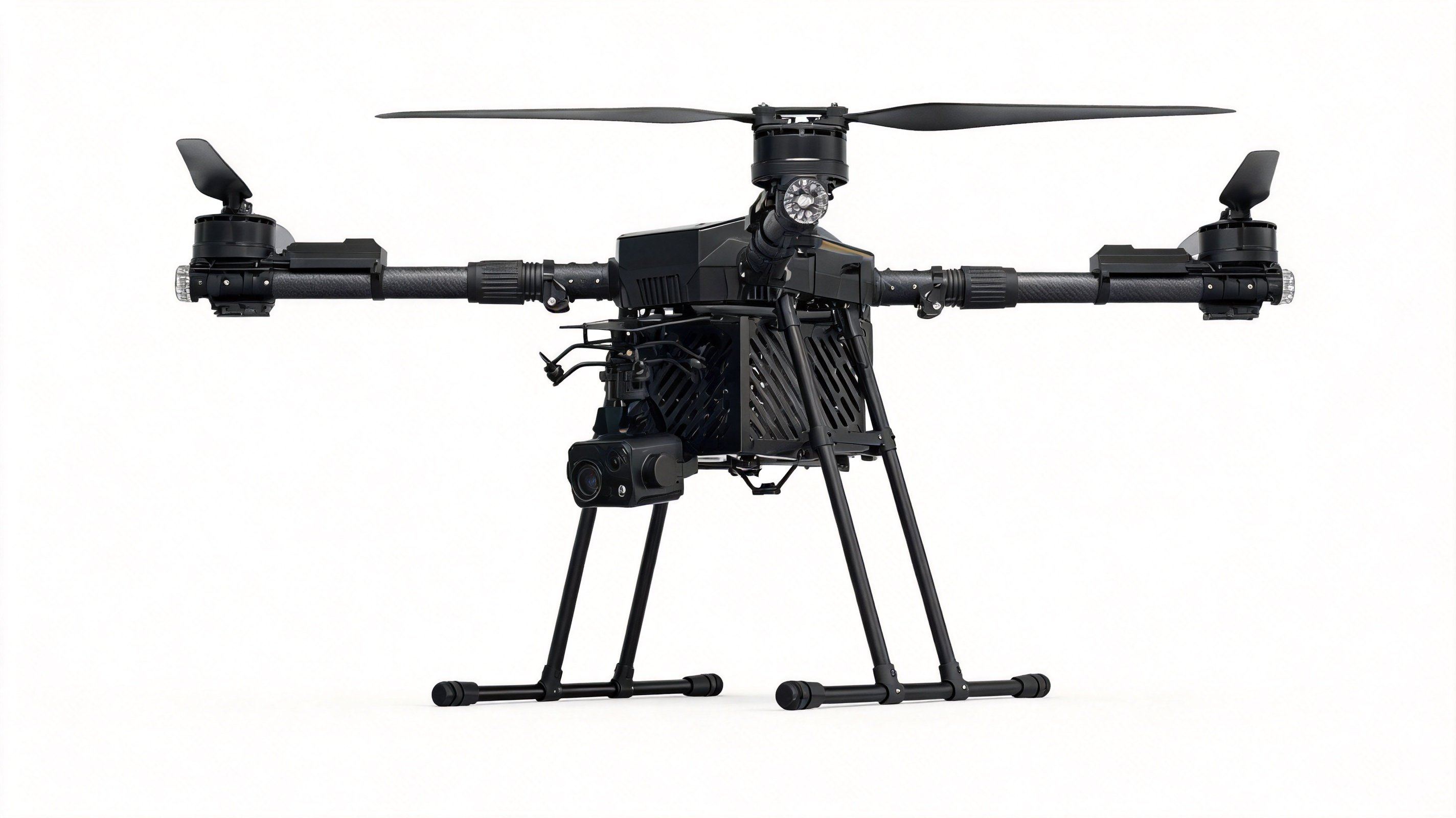
Engineered for high-frequency takeoff and landing cycles typical of commercial UAV certification training, our revised energy architecture offers outstanding peace of mind:
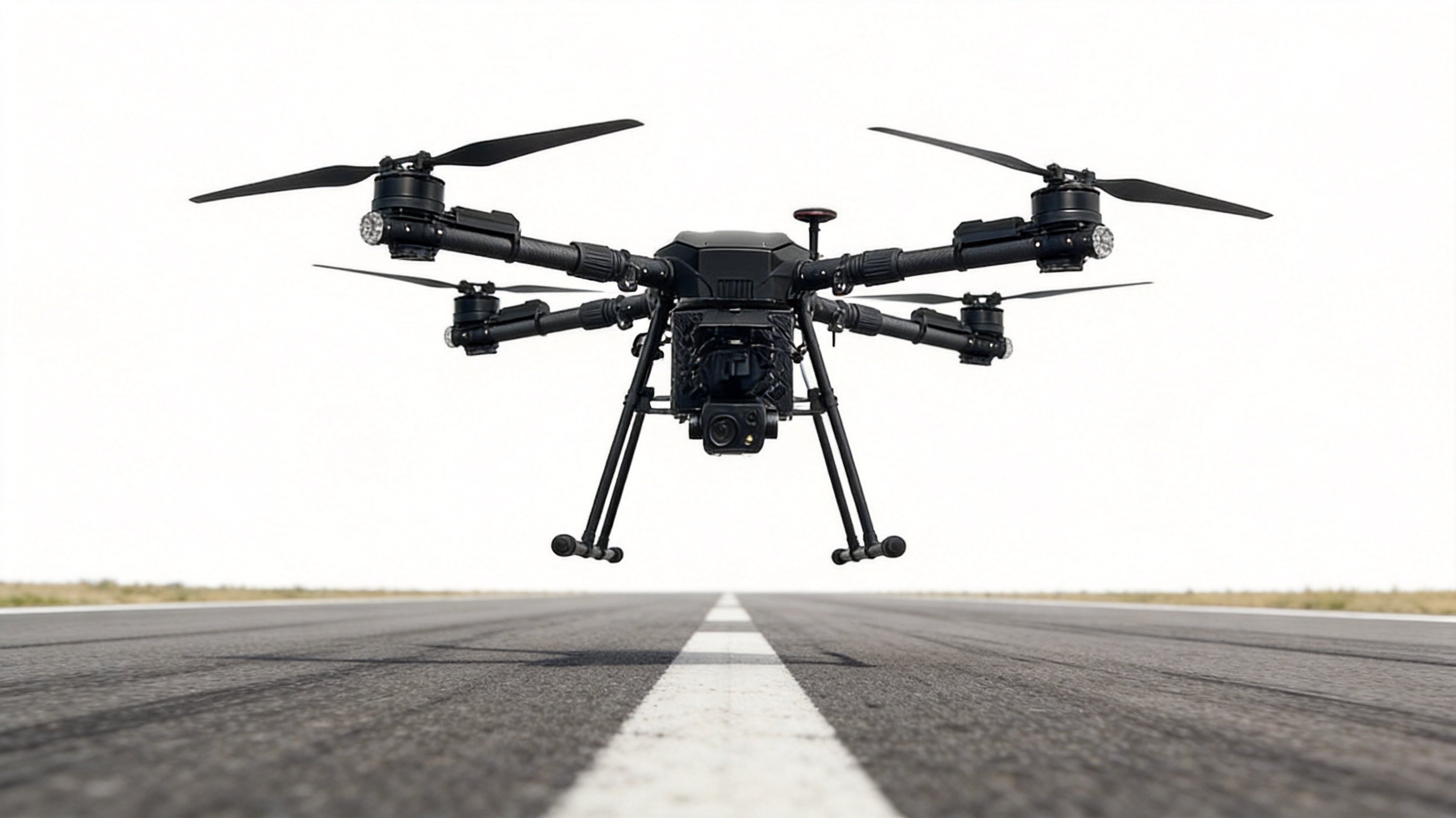
An innovative Underslung Battery Compartment is mounted underneath the chassis. This design facilitates highly ergonomic, quick-release battery hot-swaps. Crucially, it lowers the physical center of gravity (CG) of the aircraft, preventing pendulum effects and providing student pilots with an incredibly stable platform during stationary hovering and fine-tuning exercises.
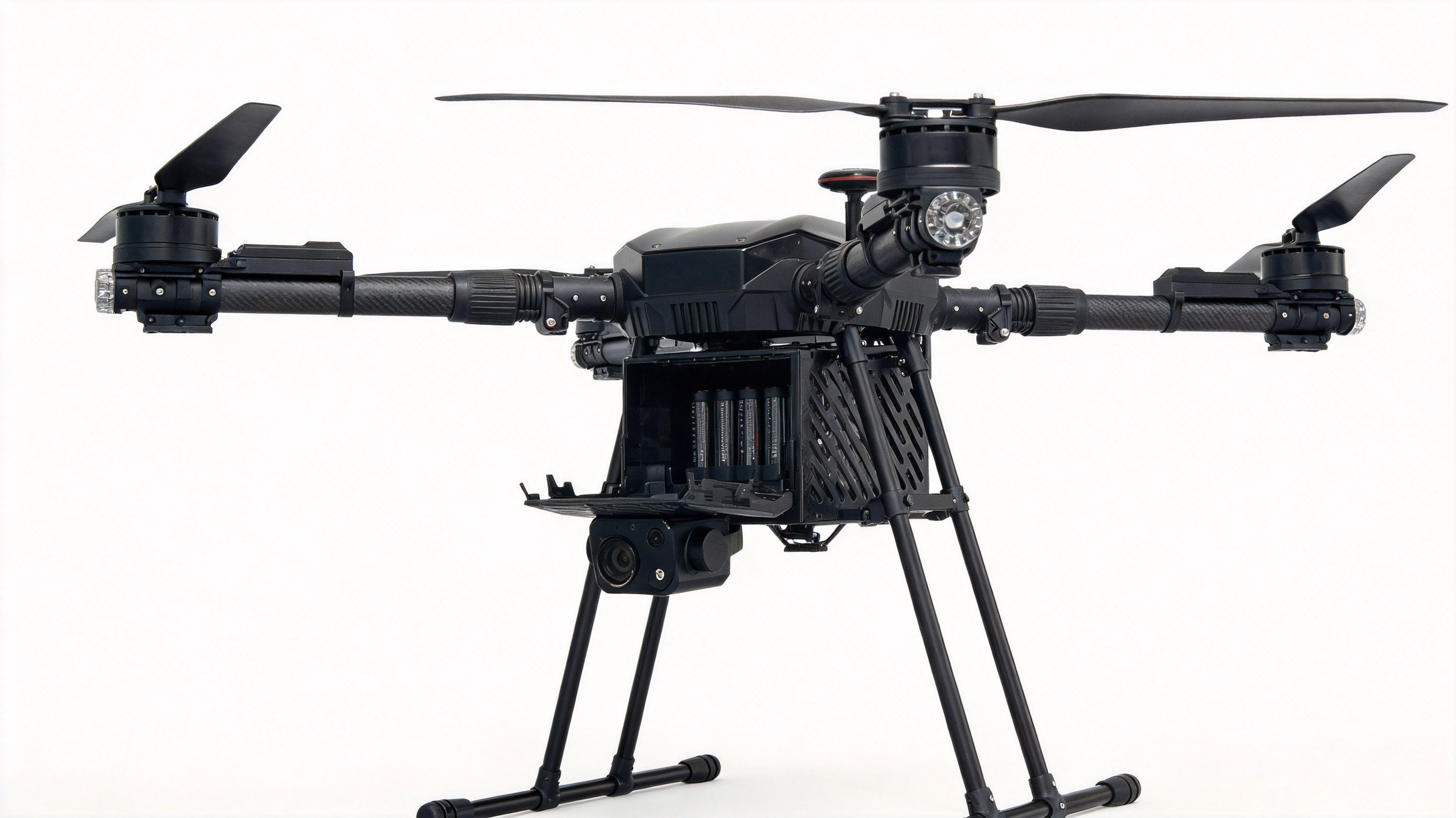
The spacious battery cabin accommodates solid-state or high-voltage LiPo battery packs of up to 12S (44.4 V) - 30,000 mAh. Coupled with a high-efficiency quadrotor propulsion kit, the system sustains a class-leading flight duration of over 50 minutes. This avoids frequent field recharges and ensures a reliable energy pool for intense training schedules.
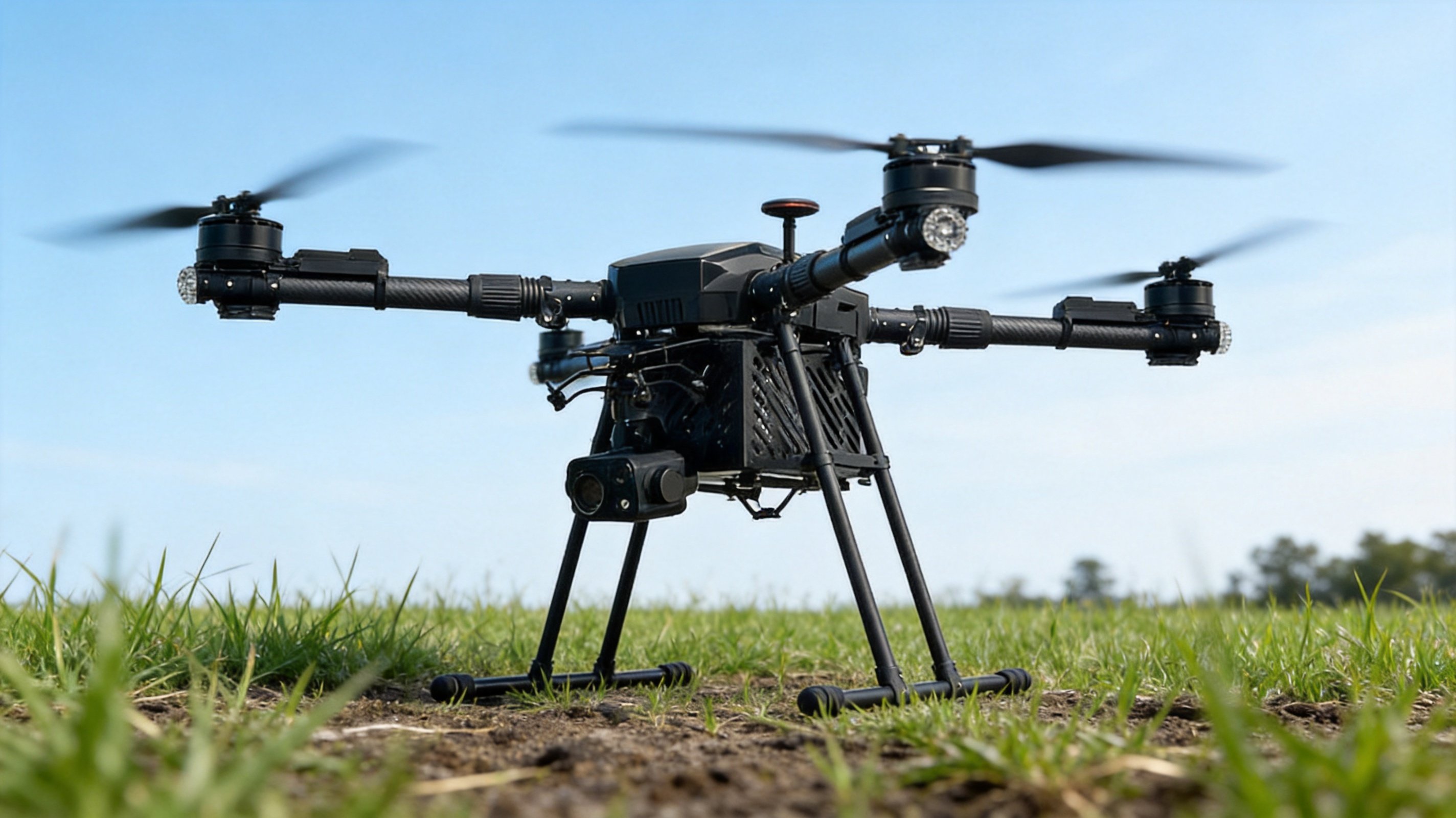
DroneWNG · VISION represents more than a certification aircraft; it serves as a bridge for student pilots entering professional industrial applications:
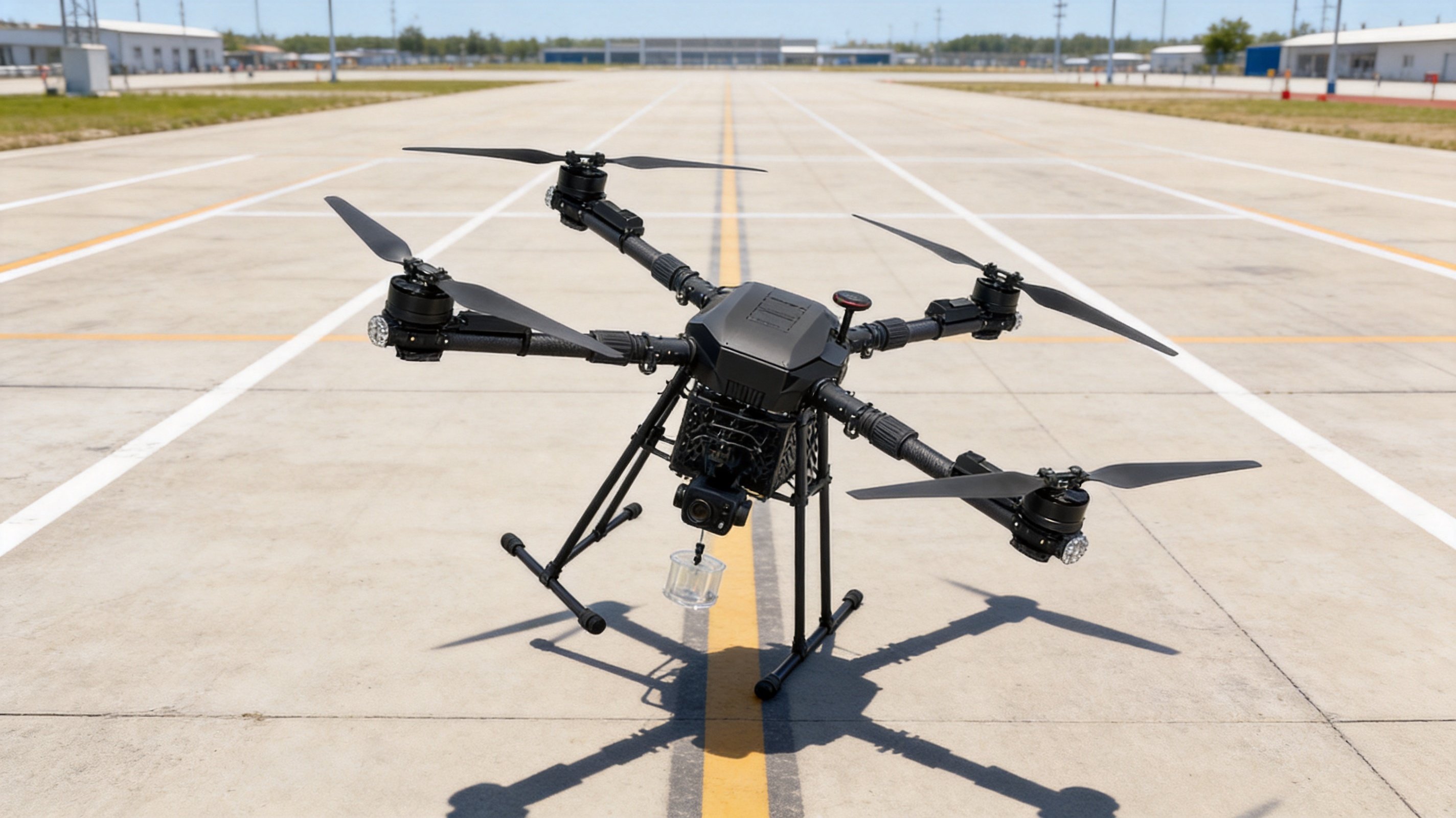
Exceptional power overhead paired with fine-tuned flight control laws makes this the ultimate asset for mastering commercial maneuvers—such as precision hovering, Figure-8 flight tracks, and traffic patterns—substantially boosting pilot pass rates.
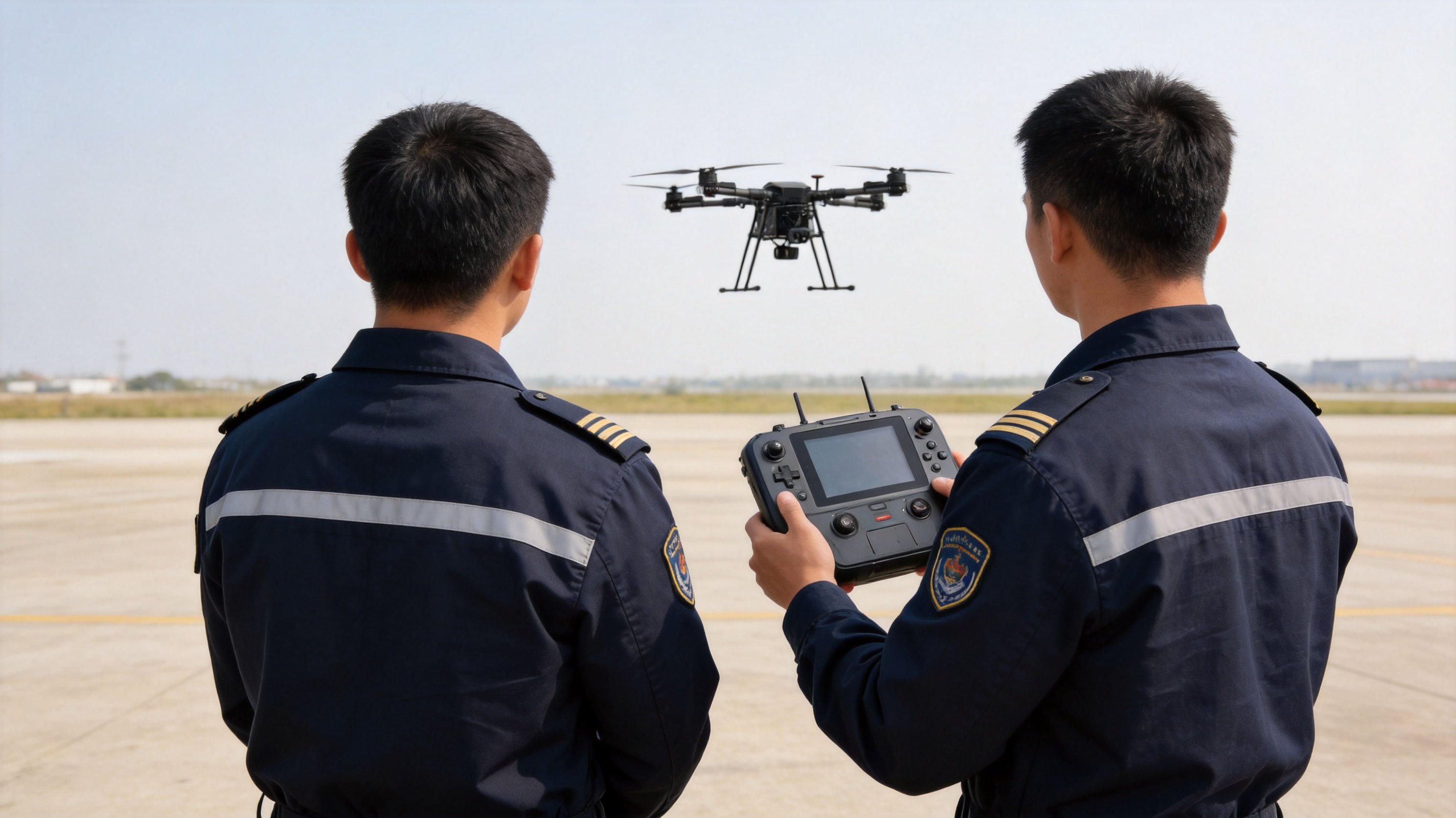
Native support for dual-transmitter student-teacher pairings. During Visual Line of Sight (VLOS) training sessions, instructors can instantly assume flight control with a dedicated override switch, preventing crashes and protecting costly equipment.
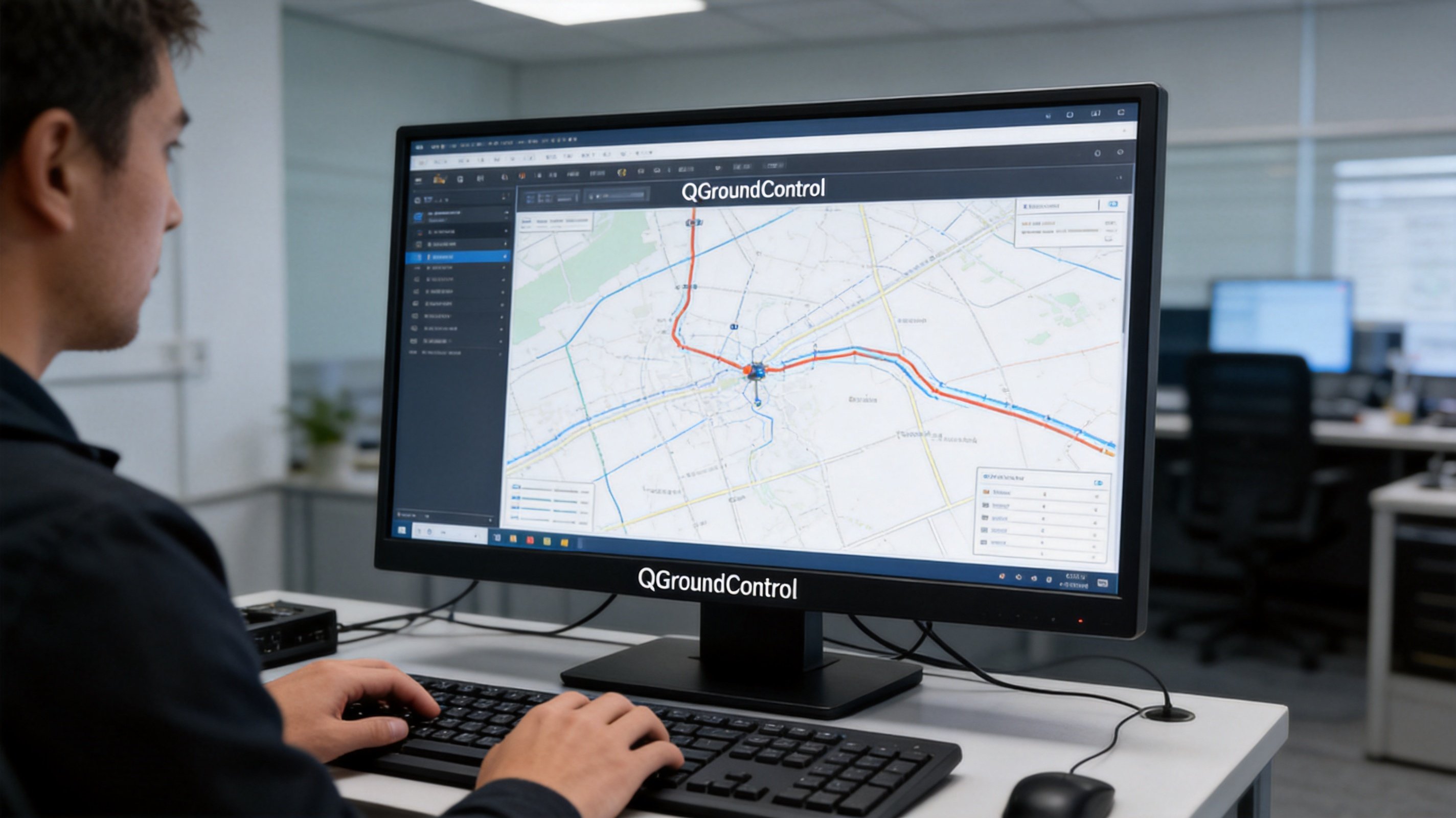
Fully compatible with the MAVLink protocol, ensuring plug-and-play operability with industry-standard GCS suites like QGroundControl and Mission Planner. Ideal for advanced BVLOS curriculums covering waypoint planning, geofencing, and failsafe return-to-home setups.
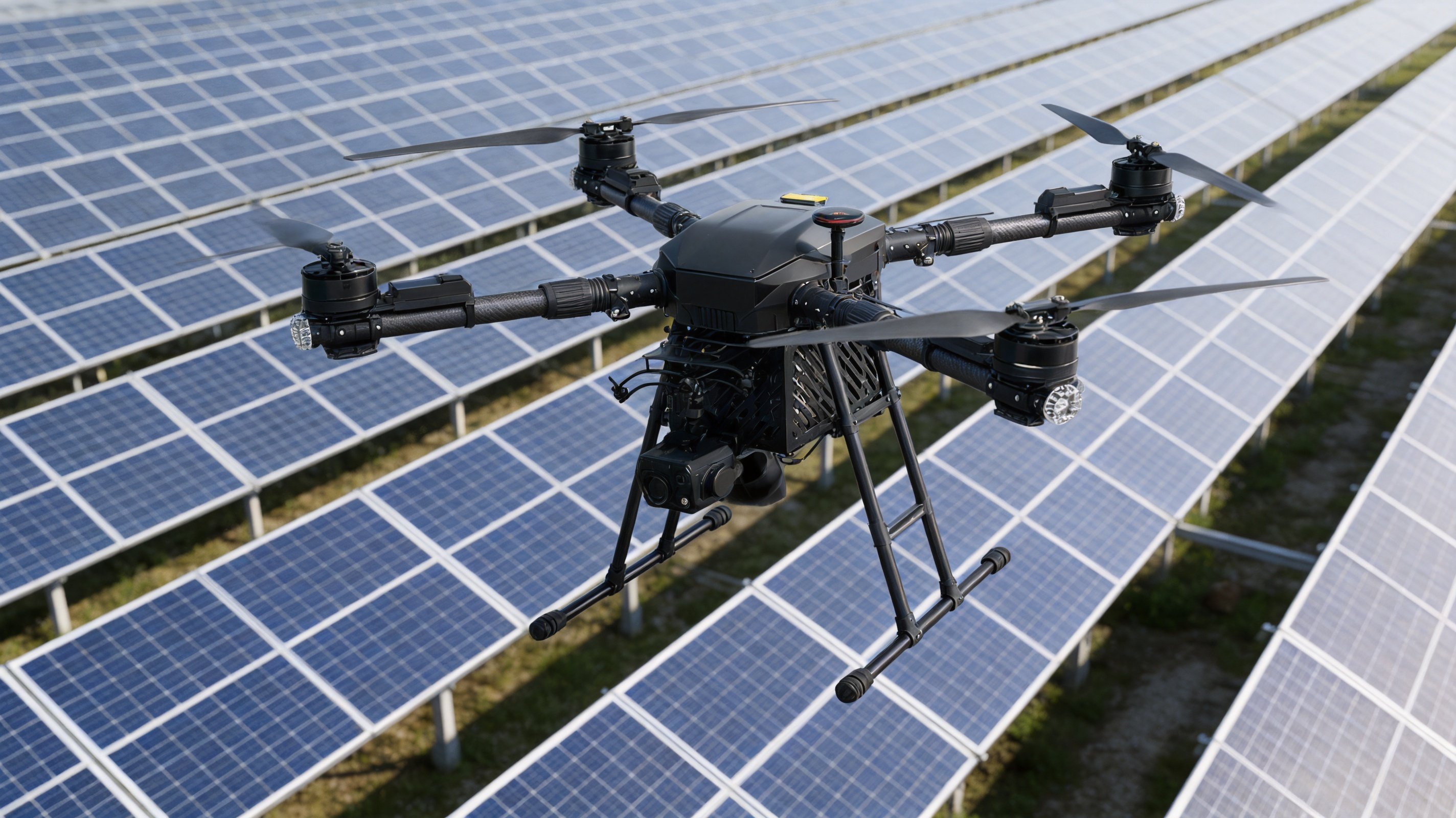
Pre-installed standard aluminum quick-release interface and auxiliary power pins support rapid payload attachment. Beyond instruction, research divisions or commercial teams can mount optical gimbals, environmental sensors, or release mechanisms for real-world testing.
As high-frequency training equipment, standardized routine maintenance is essential to secure flight safety and prolong components' operational lifetimes:
Due to the substantial single-rotor thrust produced by a 1.5 m quadrotor, always inspect the carbon fiber propeller blades for hairline cracks or chipping before takeoff, and ensure the motor locking nuts are securely tightened.
Upon arm deployment, verify that a clear mechanical lock is engaged. Tighten the aluminum CNC sleeve manually until fully secured. Never initiate takeoff operations if any folding joint is not completely locked.
Despite the certified IP54 waterproof capability, once intense wet-weather operations conclude, remove the canopy head cover, wipe down moisture, and store the airframe in a dry, ventilated room. Apply anti-corrosion grease to raw metal surfaces such as motor bearings.
To support international universities, testing agencies, and academies with regional customs clearance and assembly requirements, DroneWNG offers flexible logistic solutions:
Shipped in a custom heavy-duty export carton with organized compartments. Ideal for academies with dedicated ground crews capable of performing wiring and firmware calibration, or to serve as an assembly lab unit in high-school drone programs, ensuring superior freight value.
Designed for academies requiring an out-of-the-box system or needing frequent field shipping. Includes a professional heavy-duty customized aluminum flight case. The unit undergoes 100% pre-assembly, firmware calibration, and flight burn-in before shipping, boasting robust caster wheels and internal high-density EVA shock absorption.
Export Notice & Disclaimer
1. This platform represents a heavy commercial UAV with significant kinetic power. We strongly advise operating under the strict instruction of flight instructors certified by local aviation authorities (e.g., FAA/EASA).
2. Clients must adhere to national wireless spectrum directives and local airspace laws of the destination country, conducting flights solely within legal corridors or designated testing zones.
3. The manufacturer rejects any legal liability for personal injuries or material damages resulting from incorrect assembly (e.g., loose joint bolts on SKD assemblies), failure to complete safety checklists, or reckless operations beyond legal boundaries.