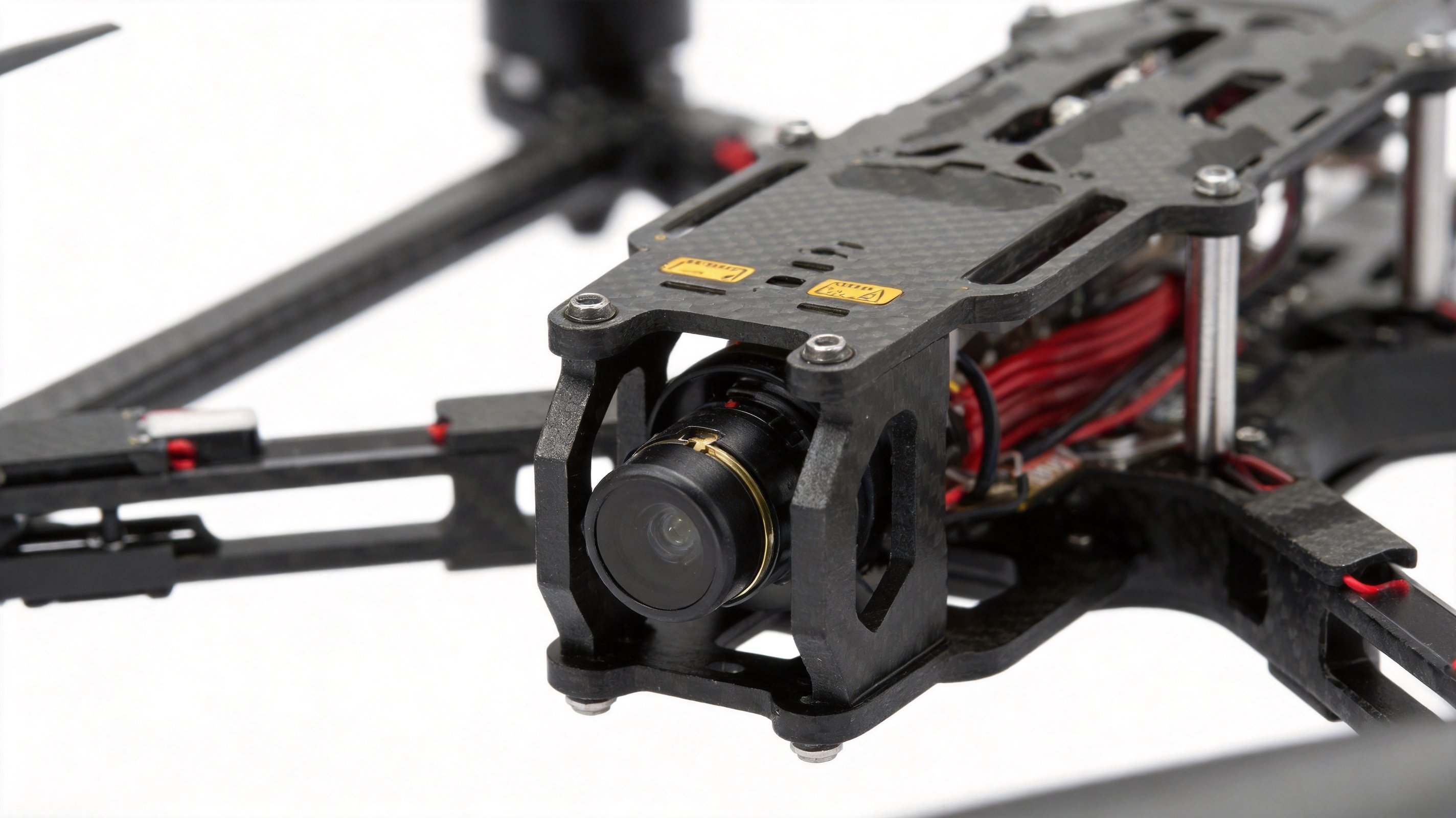
DroneWNG · PULSE 13 is a specialized 13-inch heavy-lift FPV platform built for carrying high-resolution cinema packages, specialized task payloads, and executing precision tactical drops.
The DroneWNG · PULSE 13 serves as our prime tactical workhorse, bridging the gap between ultra-fast FPV maneuvers and heavy industrial payload capacities. Engineered with 4214 400KV motors and a 90A ESC running on a native 8S high-voltage power system, it delivers maximum torque efficiency with minimized current-induced thermal stress. Capable of carrying professional cinematic cameras (like the RED Komodo) or heavy-duty thermal sensors, it offers pilots extreme control responsiveness under harsh wind shear up to Level 7.
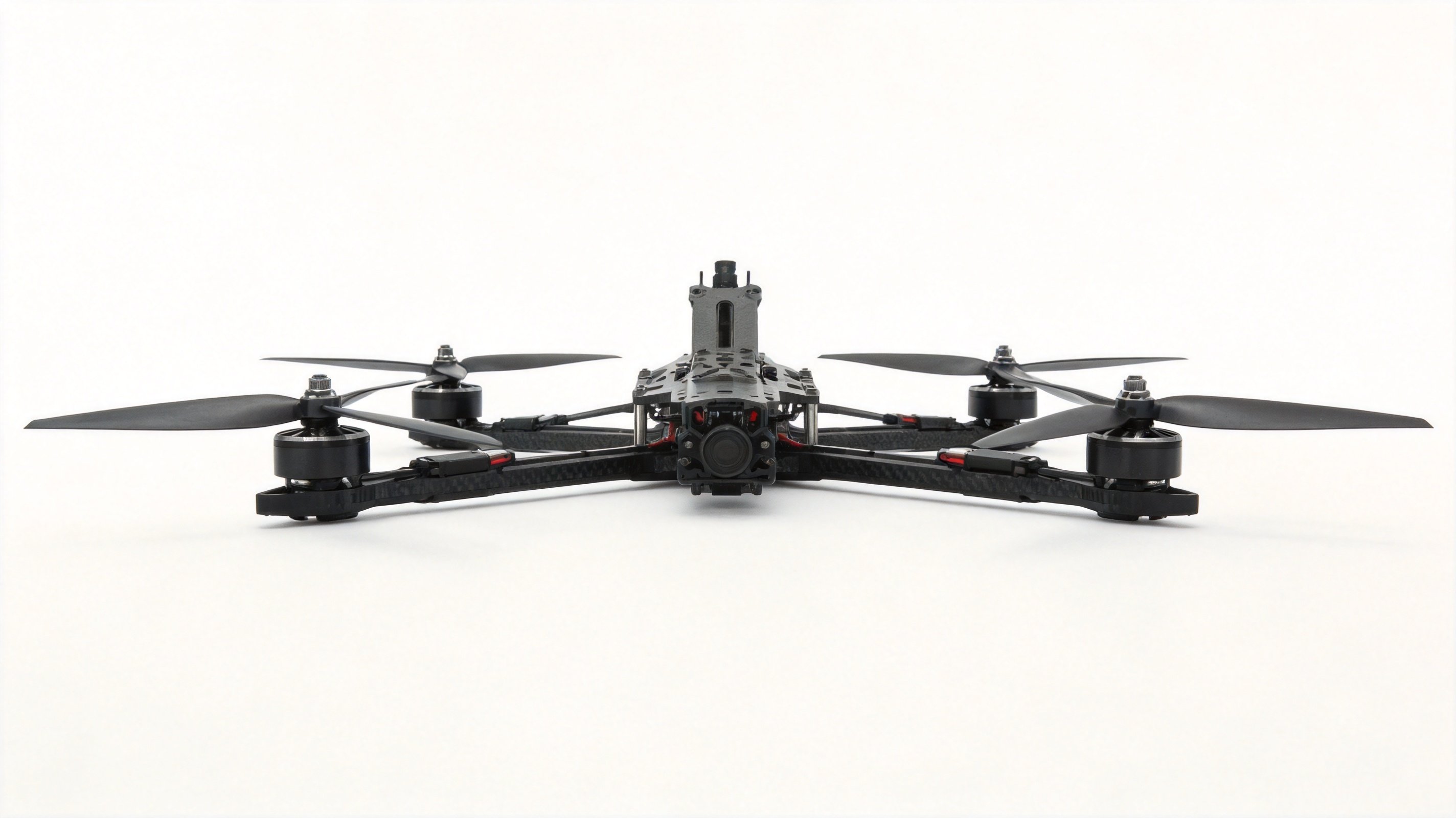
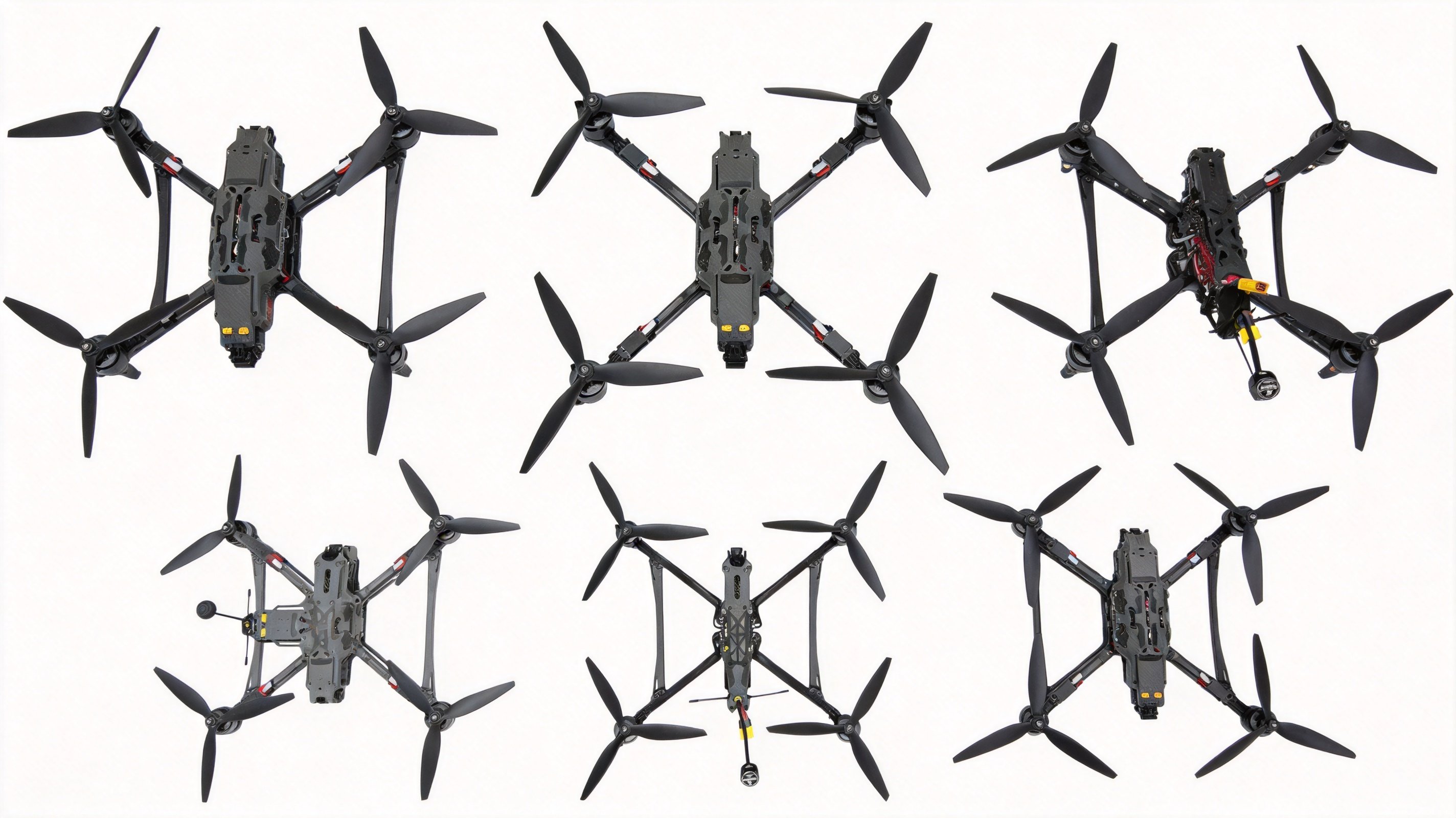
Optimizing torque delivery and minimizing heat losses is the core of high-load manual flight.
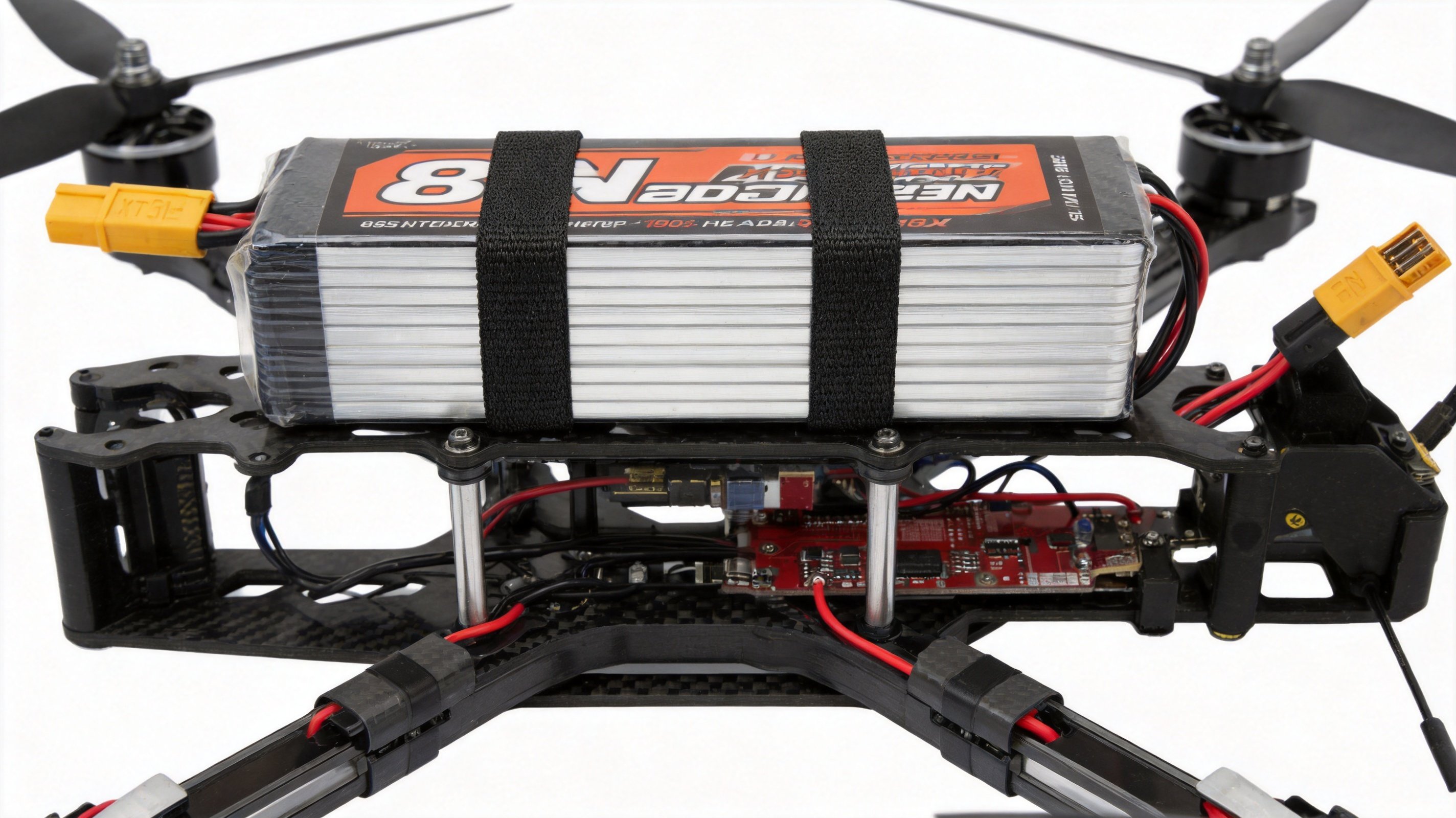
Operating on a native 8S power loop (29.6V), the PULSE-13 provides massive thrust while significantly lowering cable currents. Recommended for use with high-discharge 8S 12,600mAh batteries, it sustains a stable 11 minutes of tactical flight under full load.
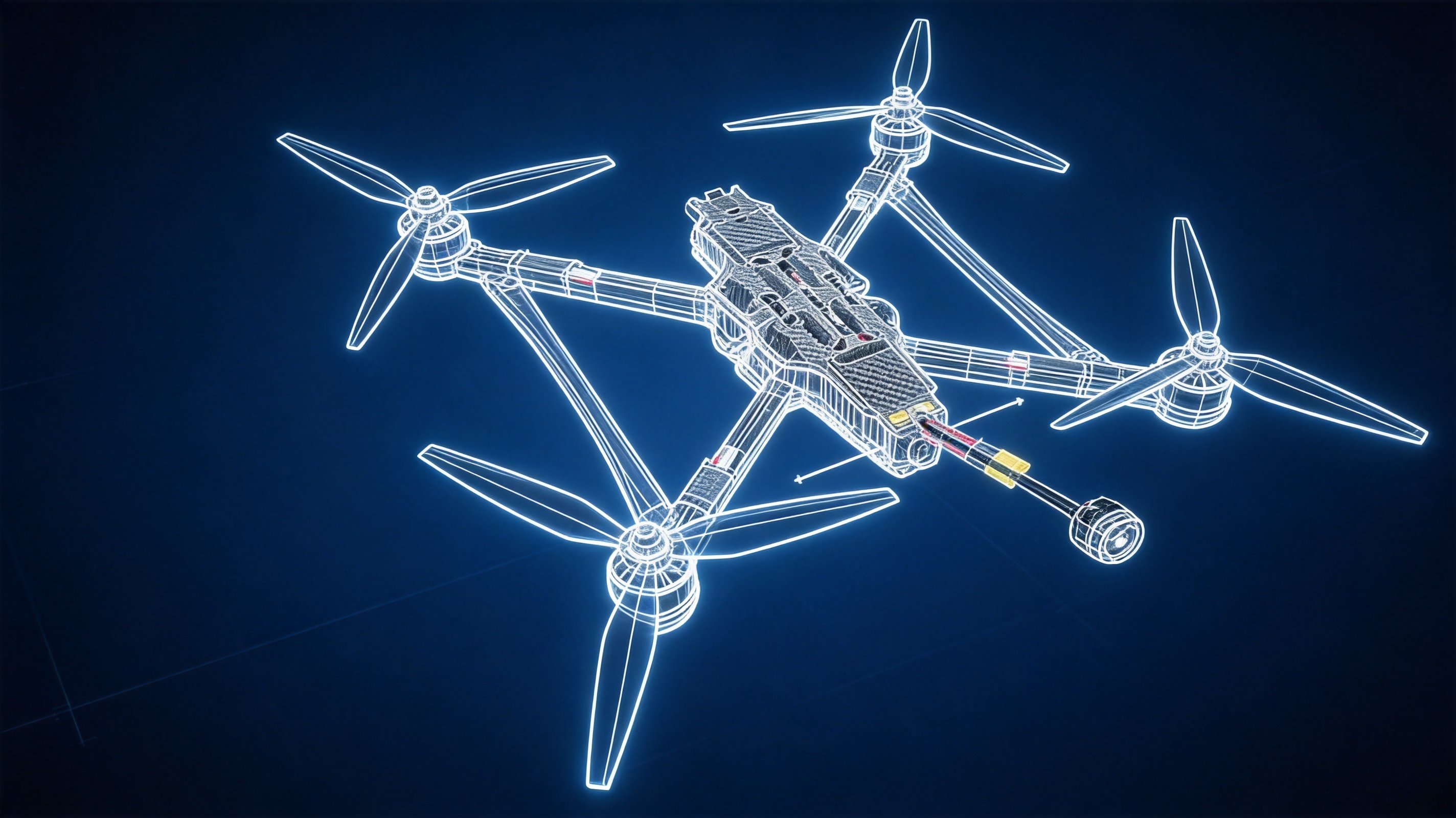
The frame uses 6.0 mm aerospace-grade T700 carbon fiber arms, providing excellent structural rigidity. The symmetric X layout ensures uniform force distribution, preventing wing flutter even during high-G manual maneuvers or sudden wind shears.
Constructed to operate under extreme environmental and radio interference, maintaining high-fidelity pilot feedback.
Features an adjustable 5.8G analog transmitter pushing up to 3W. Its custom heatsink prevents thermal throttling, maintaining a clear visual stream through dense forests.
Standard ELRS 868/915MHz receiver keeps pilots in absolute control, providing high-rate command refresh with superior anti-interference characteristics.
1500 TVL, 165° FOV FPV camera is starlight optimized. It resolves backlit and shadow-laden details instantly under high-contrast environments.
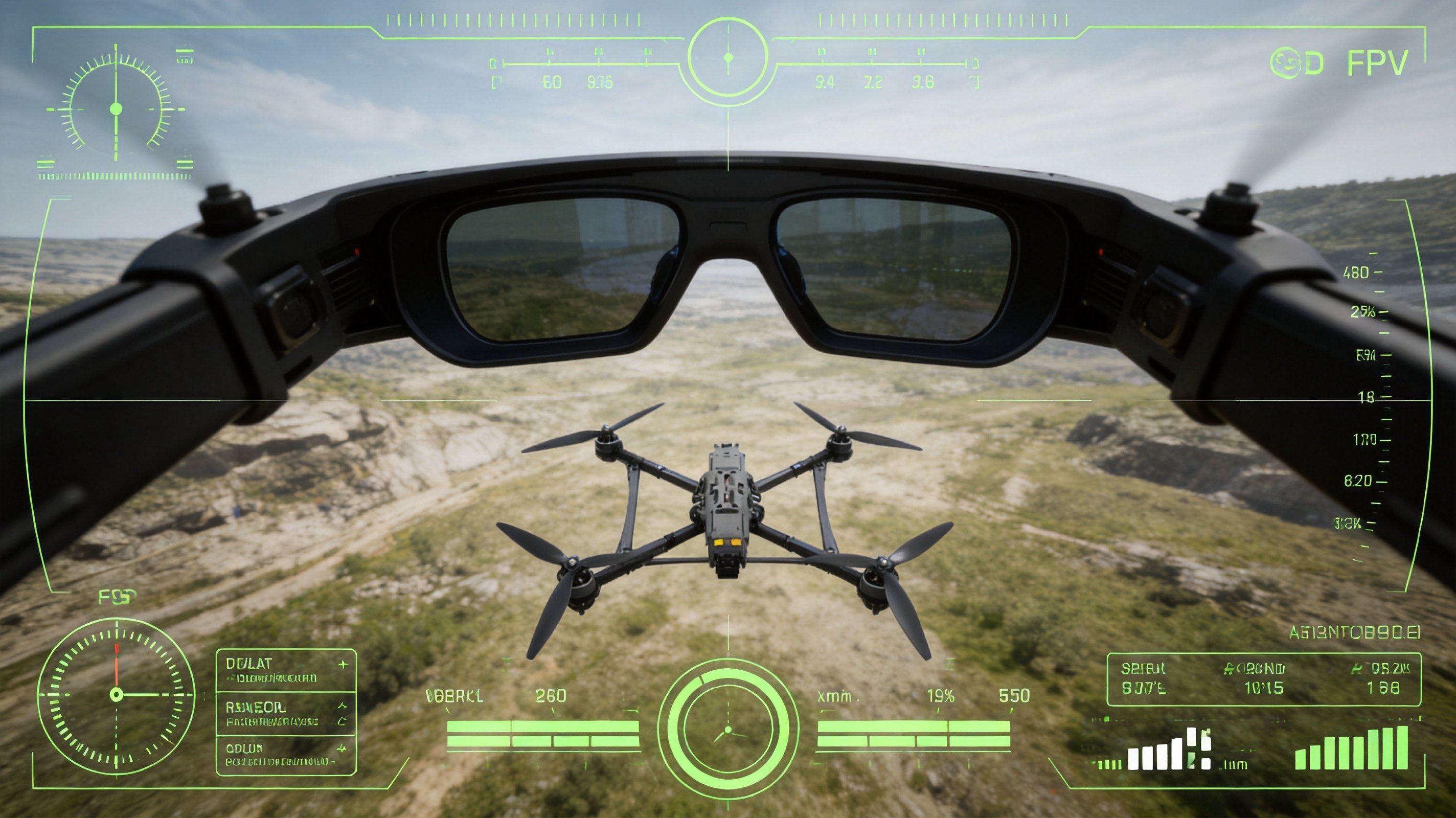
Heavy-lift FPV aircraft possess massive kinetic energy. Strict adherence to geofencing and地勤 SOP is mandatory.
Always inspect and lock motor mounts with tools before takeoff. A 13-inch propeller spinning at high RPMs can cause irreversible damage if loose.
High-power 3W VTX units generate substantial heat. Operators must launch within 3 minutes of battery connection to prevent hardware thermal shutdown on the ground.
Extreme manual maneuvers generate massive G-forces. Batteries must be double-secured with at least two high-strength Kevlar straps to prevent mid-air battery ejection.
Never perform heavy FPV operations over uncoordinated crowds. Maintain a strict minimum safety clearance radius of 50 meters and follow regional aviation rules.