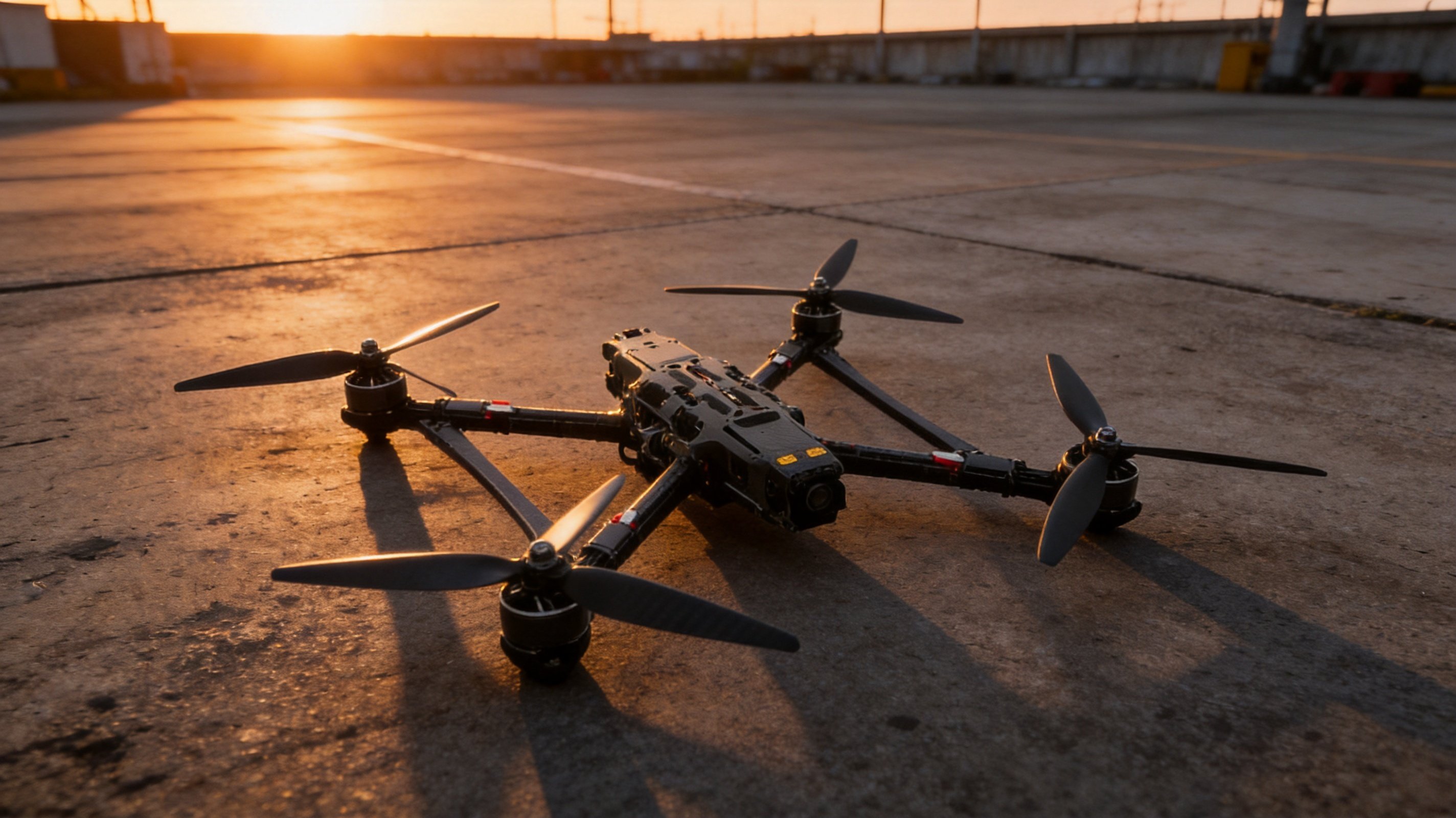
DroneWNG · PULSE 10 is a highly versatile 10-inch tactical FPV platform engineered for medium-range reconnaissance, stable optical tracking, and light payload delivery.
The DroneWNG · PULSE 10 represents the sweet spot of our FPV line, balancing extreme thrust with steady payload capacity. Built on high-grade 3K carbon plates and powered by 3115 brushless motors, it carries heavy high-definition digital cameras or emergency dispensers with ease. Designed for operators who demand both visual precision and tactical payload flexibility, this platform sustains wind resistance up to Level 6 while maintaining smooth stick feedback.

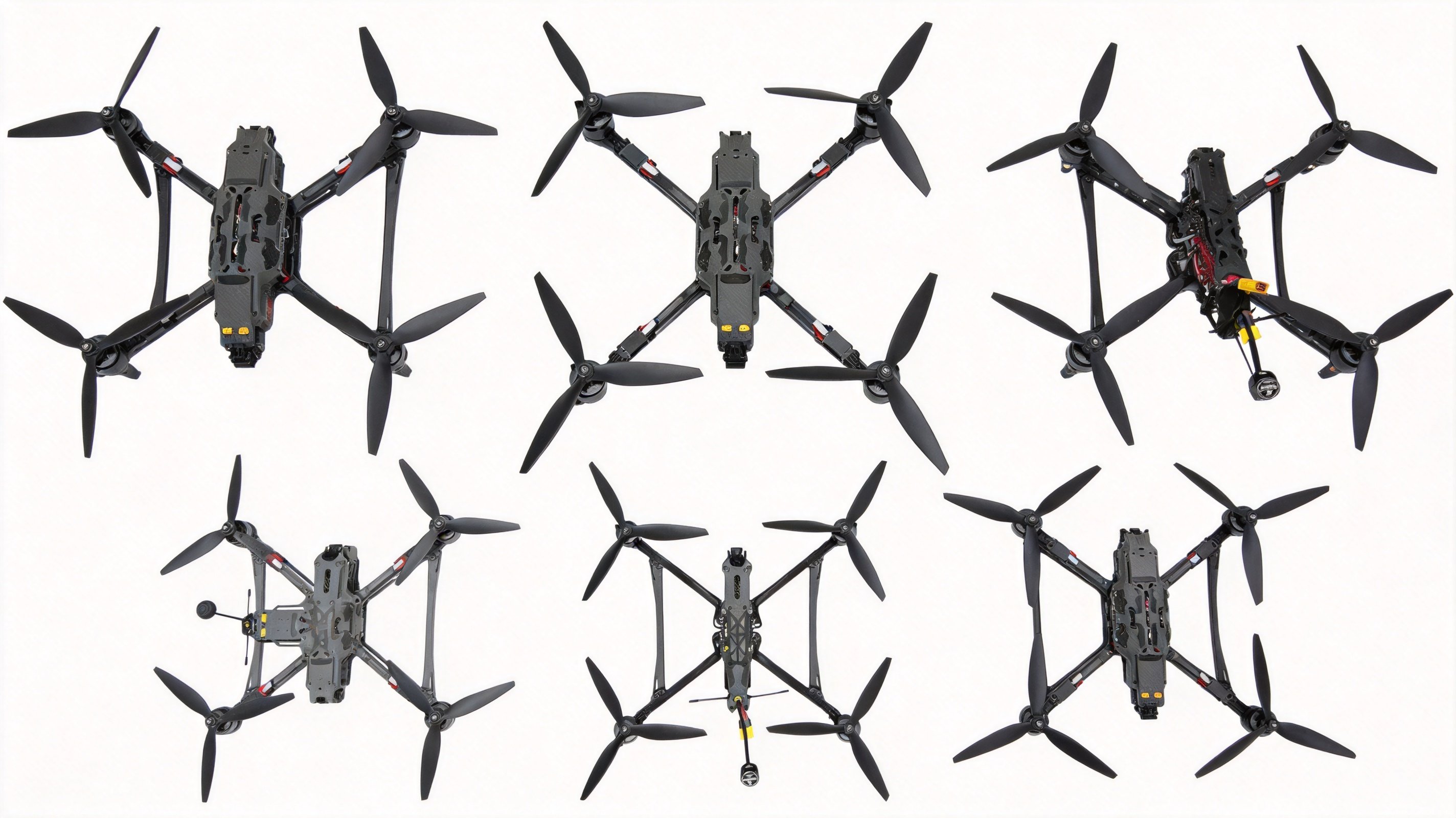
Balancing structural resonance with high payload payload delivery is the hallmark of the PULSE-10.
The 10-inch frame is reinforced with thickened T700 carbon fiber spars that absorb motor vibration under heavy loads. Dual high-strength Kevlar straps secure large-capacity 6S batteries tightly, ensuring the flight controller receives clean attitude data even during rapid ascents.
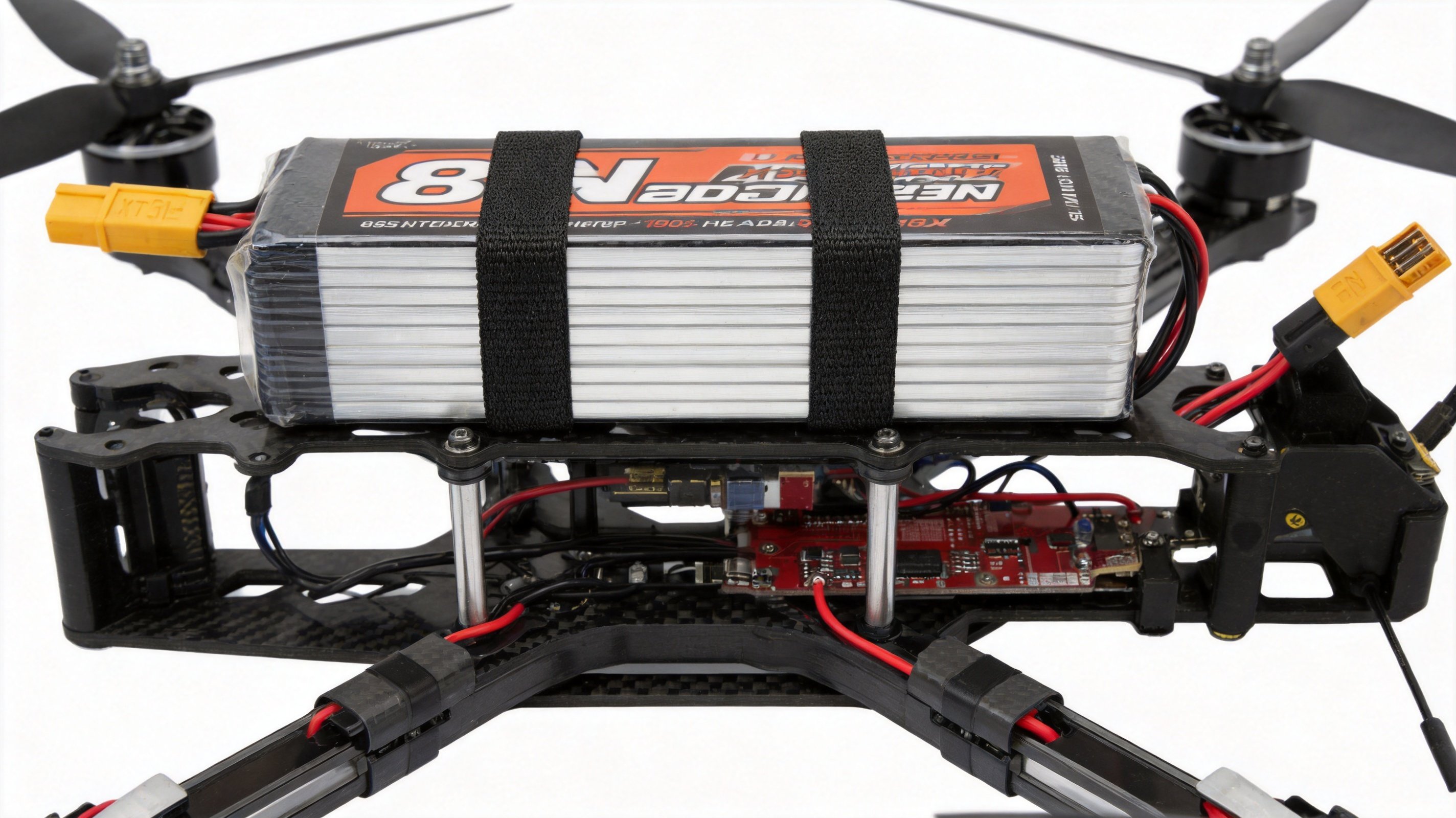
The 3115 brushless motors provide ample low-RPM torque, stabilizing a 3.0 kg rated payload in gusty winds. Backed by a 65A industrial ESC, the power loop reacts instantly to altitude dips, preventing altitude drops during critical drop runs.
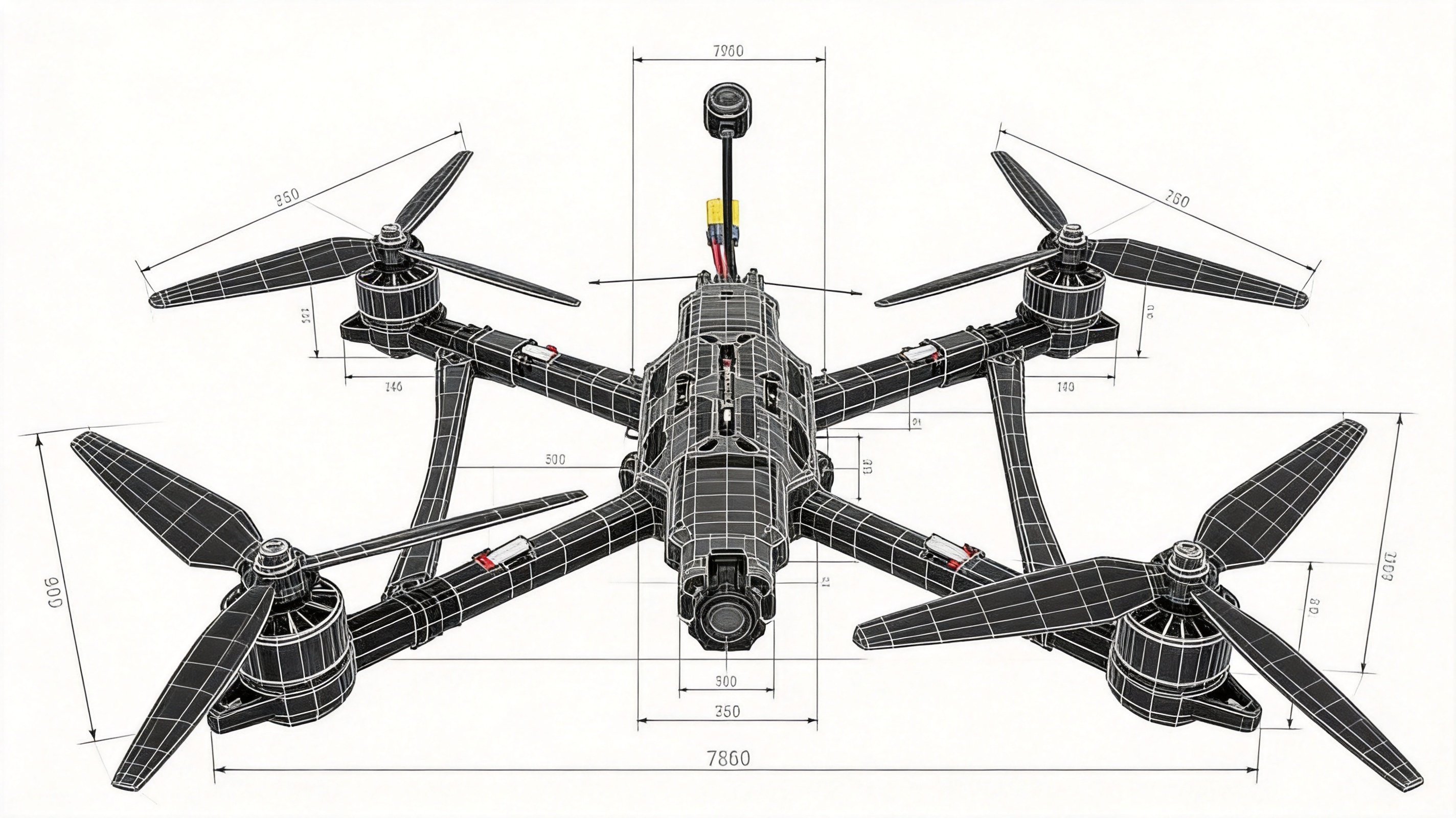
The PULSE-10 serves as a flexible airborne utility tool across both civilian and defense industries.
Carries professional heavy DSLR or mirrorless setups with zero frame vibrations, keeping action shots steady up to 140 km/h.
Integrates a bottom MAVLink-controlled release hook, allowing precision airdrops of emergency medical assets or active flares.
Optimized electronic speed loops prevent throttle clipping in cold, high-altitude mountain winds, ensuring safe winter operations.
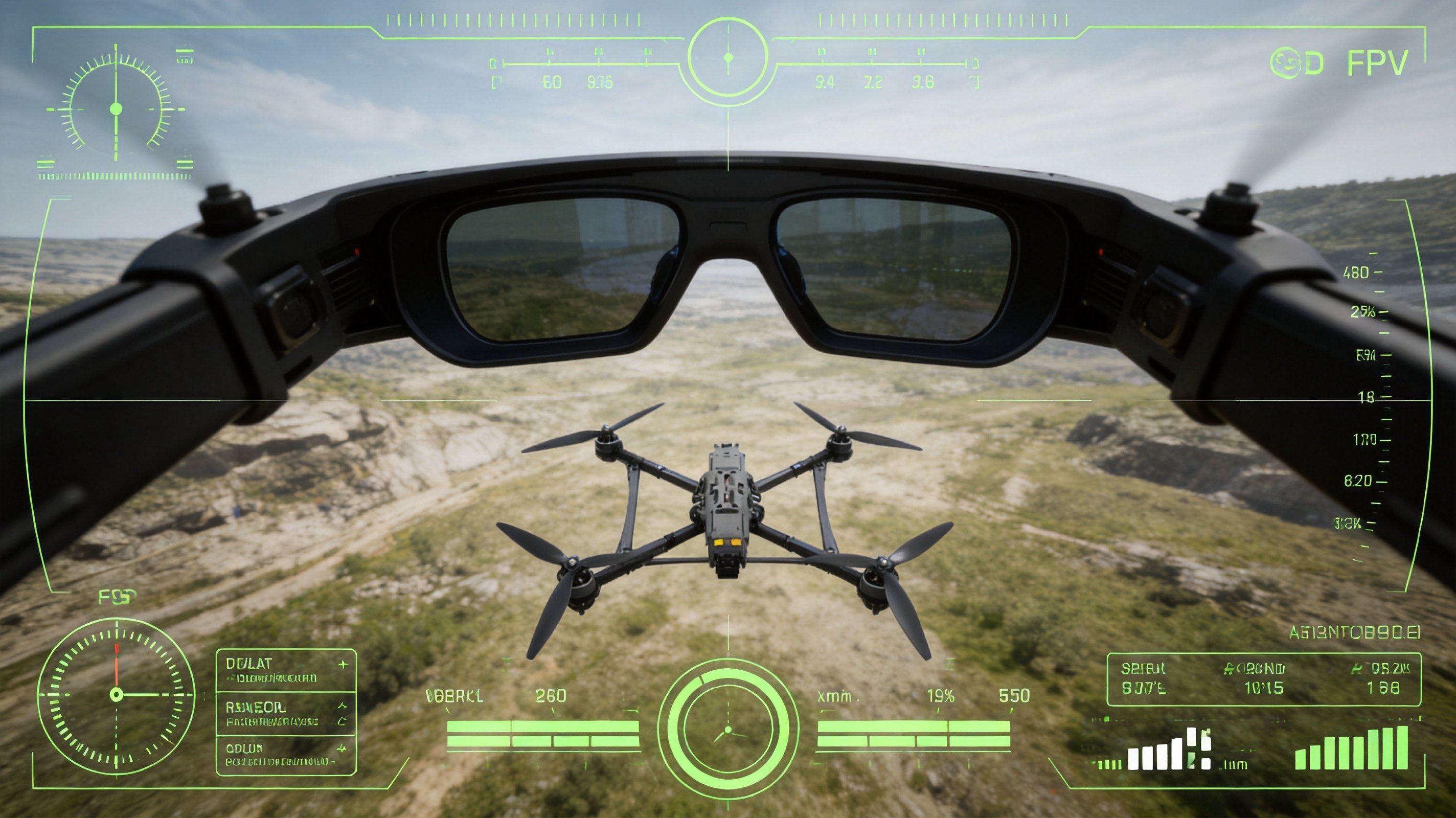
Heavy-payload FPV aircraft demand meticulous pre-flight diagnostics.
Always secure heavy 6S battery packs with at least two high-strength Kevlar straps and 3M non-slip pads. Centrifugal force can eject loosely secured packs during sharp flips.
Verify the 65A ESC solder connections and wiring insulation. Extreme current draw during climbs can melt poor joints, causing immediate mid-air failure.
Keep a minimum of 50 meters safety radius from personnel. A 10-inch carbon composite prop possesses tremendous slicing force if handled improperly.
Monitor cell voltage via OSD. Landing protocols should be initiated once battery levels dip below 3.5V per cell under load to prevent crash land damage.